“A great sports car must give the driver the feeling that he can connect with the car, that he is the one who controls it and gets maximum fun out of it.” – Dr. Ulrich Bez
Sometimes, great names die out. In recent years we’ve seen the likes of the Ford Focus, the Jaguar F-Type, and the Nissan GT-R all kick the bucket. Occasionally, however, someone comes along who makes it their mission to resurrect the car world’s greatest nameplates.
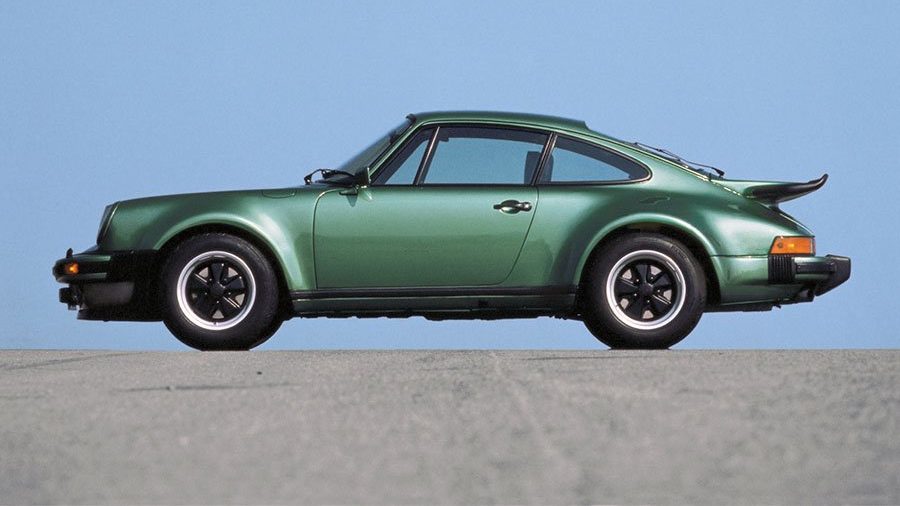
Dr. Ulrich Bez started off in the development department at Porsche back in the days when Porsche could be considered a small upstart. Under orders from one Ferdinand Piëch, he turned the 911 into the homologation road-racer 2.7 Carrera RS, and a few years later he bolted a turbocharger onto one and created the iconic whale-tail 911 Turbo. In fact, he quite liked the 911, so it must have been quite sad for him when he found out it was about to die. You see, by the end of the 1980s, Porsche was going down the Lotus route. The company who had started out producing small, lightweight sports cars was now angling for the more rarified, premium end of the market. For Lotus, that meant the Esprit became larger and softer, and for Porsche, that meant killing off the 911 in favour of the more luxurious 928, a more practical, front-engined V8 GT car that better suited the “everyday sports car” ethos.
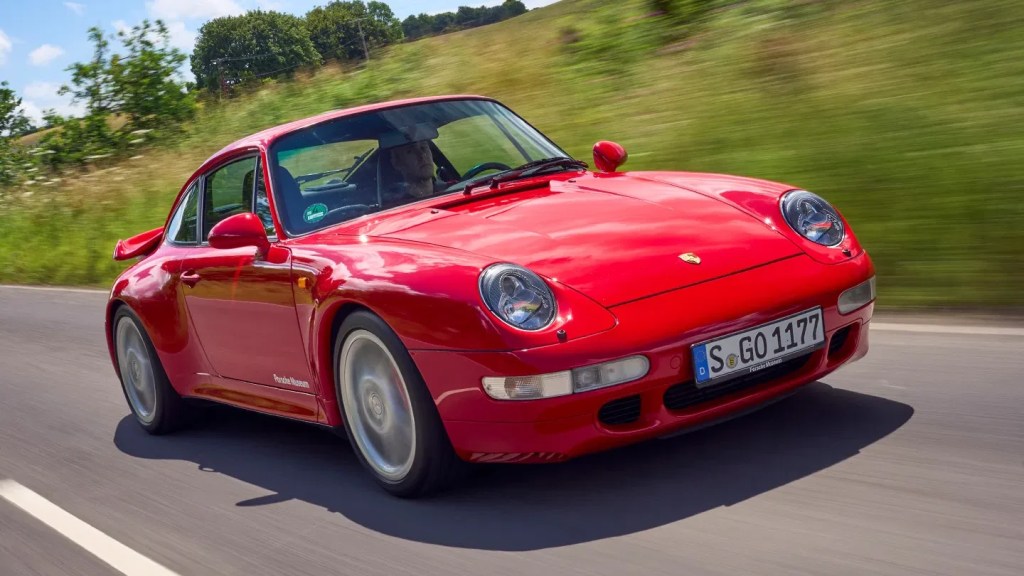
Unsatisfied with the direction of the model lineup, Dr. Bez began development on a replacement for the ageing 964-generation 911. While the car’s basic silhouette would remain the same, everything underneath was different. The rear was widened to accommodate a brand-new multilink suspension setup, fixing the 964’s habit of lift-off oversteering, the option of a six-speed manual gearbox was introduced, alongside a new Tiptronic automatic, as well as the option for four-wheel drive, using the same PSK system as the Porsche 959 supercar. By the time development was complete, the new 993-generation 911 was the car that we recognise the 911 as today; the ultimate do-it-all sports car, and it was so successful that Porsche abandoned the front-engined GT market all together.
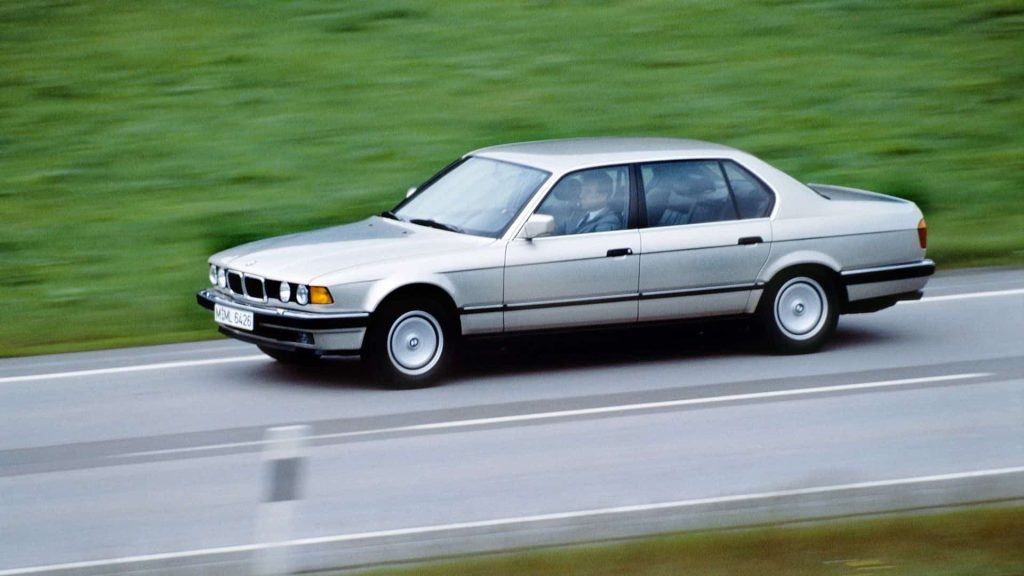
Funnily enough, there’s a gap in that story. Between building the Turbo and the 993, Dr. Bez left Porsche and knocked on the door of BMW, who were more than happy to bring him on board. In the mid-80s, BMW were trailing far behind their biggest rival, and needed a car that could compete with the imminent new Mercedes S-Class. As such, Dr. Bez was placed at the helm of BMW Technik GmbH, BMW’s radical concept and development house, and tasked with predicting what the new S-Class would be like. Correctly predicting that the Merc would be an enormous slab of leaden luxury, Dr. Bez steered the development of the new 7-Series toward a more elegant, svelte frame with more simplistic engineering underneath. The new E32 7-Series also had another ace up it’s proverbial sleeve. Knowing that Mercedes would almost certainly offer the S-Class with a V8 (as Mercedes were prone to do), Dr. Bez developed BMW’s first V8 since the 50s, ensuring that the 7-Series was quicker to 60mph than the comparative Mercedes.
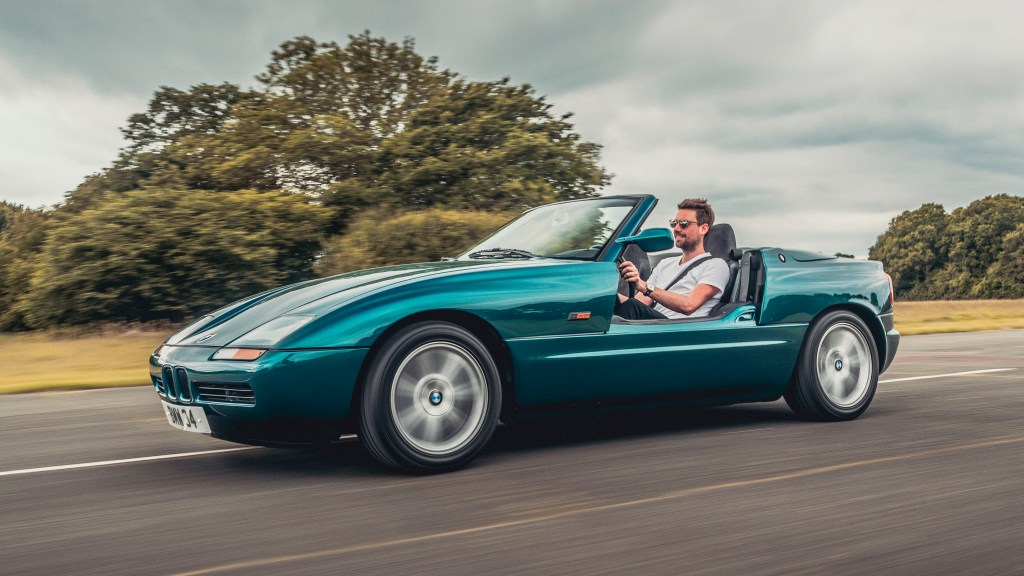
And it wasn’t just big saloons that Dr. Bez developed. He also pioneered in-car voice recognition, the world’s first dual-clutch gearbox (although it was prohibitively expensive to produce at the time), and BMW’s first development mule, a rolling chassis that could simulate cars of any shape or size to better develop their suspension and weight distribution, and he did all this in the mid-1980s, well ahead of the decade of technological evolution that was just on the horizon. Perhaps Dr. Bez’s most prescient moment came in 1989, when he developed a small, lightweight, two-seater convertible roadster. The BMW Z1 took just a few months to produce and birthed a lineage of BMW Z-cars that persists to this day, and it hit the showrooms a full two years before Mazda’s plucky MX-5.
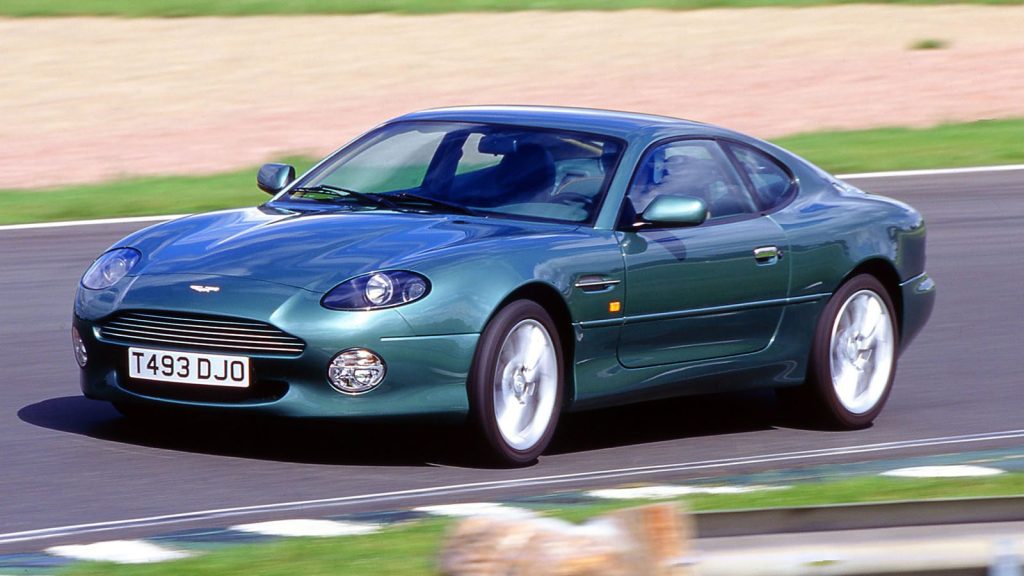
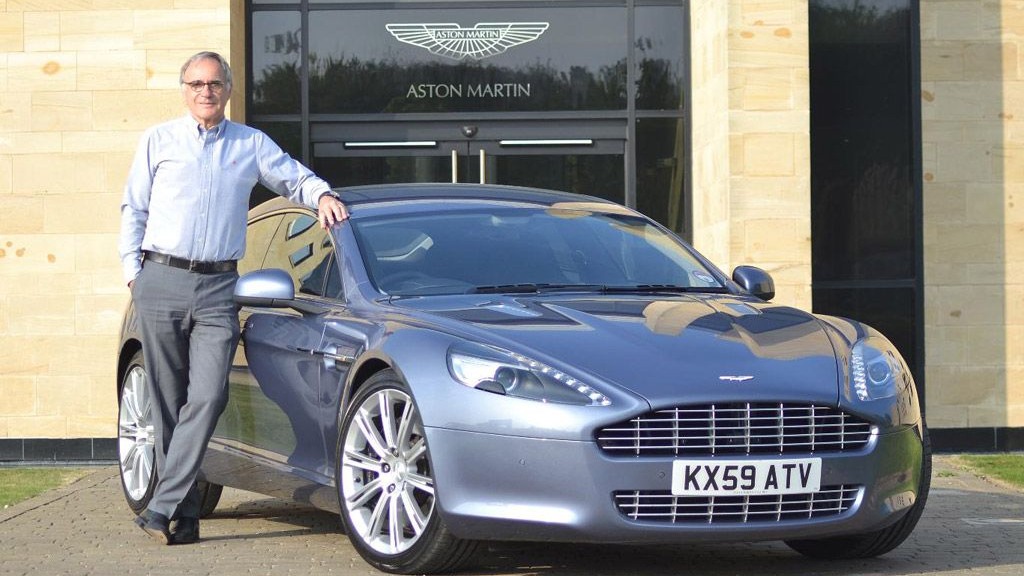
With the Z-car born and the 911 saved, Dr. Bez then found himself working at Ford. In 1993, Ford acquired an old legacy manufacturer called Aston Martin from British businessman Victor Gauntlett, trying their best to trade off Aston’s brand kudos, even pairing them with the similarly struggling Jaguar in a “rising tide lifts all boats” sort of situation. To try and get the money coming in, Aston Martin needed a car to replace the old Virage, so Ford went into their parts bin. The DB7 might have looked good, but underneath it had the engine from a Jaguar XJ, and even worse, the chassis from a 1970s Jag XJ-S. Slow, cramped and unsophisticated, the DB7 wasn’t really good enough to keep the marque afloat, and without intervention, Aston Martin would have died out within the next ten years.
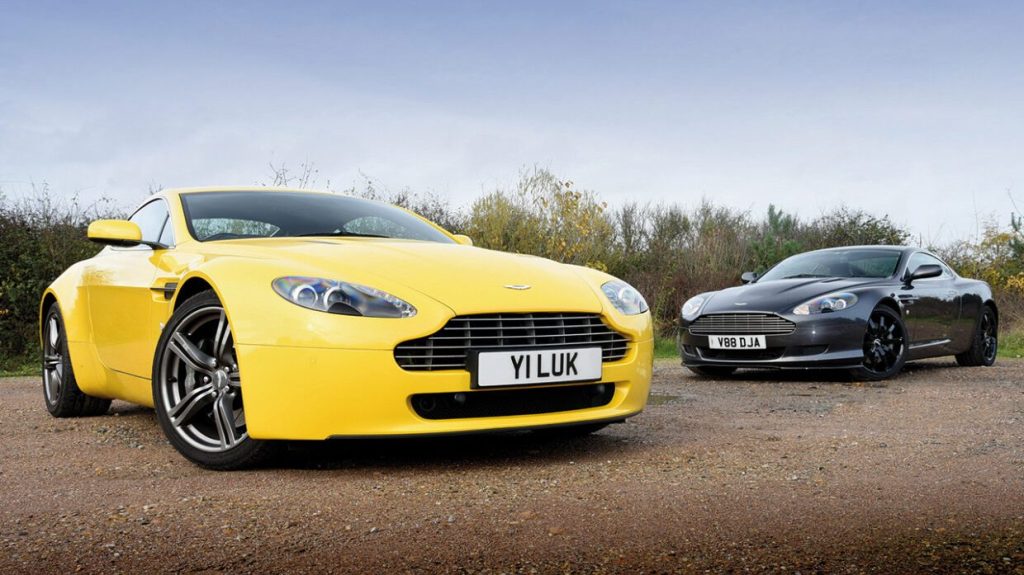
Enter Dr. Bez. Whle Ford’s top brass wanted Aston Martin to build a mid-engined supercar to compete with the likes of Ferrari and Lamborghini, Dr. Bez axed the project immediately (on just his second day in the job, in fact). Knowing that they couldn’t compete against Ferrari with hand-me-down Ford parts, Dr. Bez instead decreed that the company would instead utilise one of the most powerful weapons in its arsenal; Heritage. Aston Martin’s history is full of absolute gold, from the Le Mans winning DBR1, to Bond’s DB5, to the stiff-upper-lipped muscle car V8 Vantage, and Dr. Bez wanted to take the recipe for those cars and bring it into the modern day, creating a car that was both cutting-edge and unmistakably Aston. Working hand-in-hand with Lotus, Aston Martin developed a brand-new chassis for the new car, using a bang-up-to-date, lightweight structure of bonded Aluminium (as seen on the Lotus Elise). For cost saving, this structure was scalable, meaning it could be used to underpin various different cars of different shapes and sizes, earning the name “VH Architecture”, with VH standing for Vertical-Horizontal, signifying the platforms ability to be used throughout the length and breadth of the Aston range.
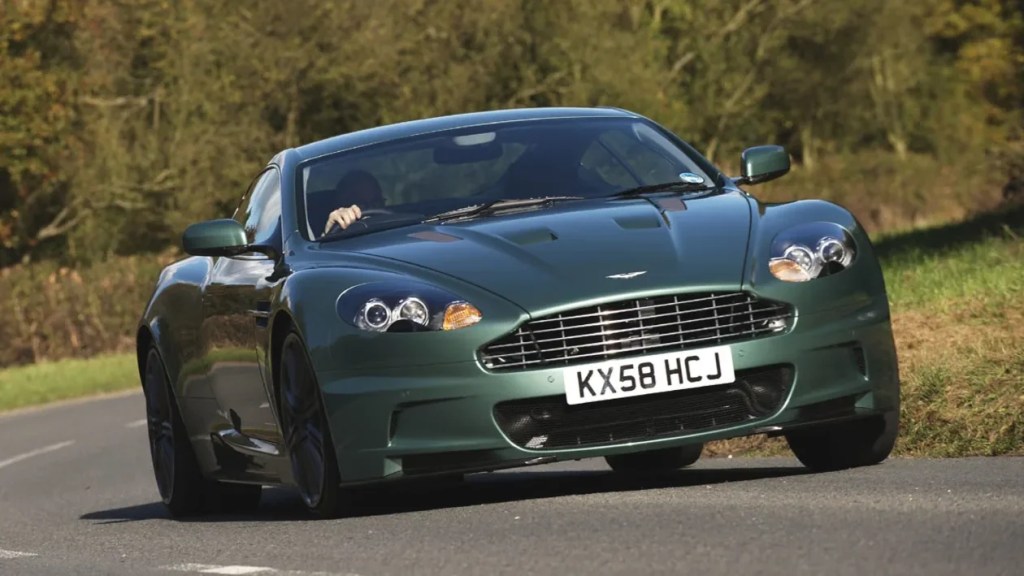
The first two VH cars cemented the idea. On one hand, the Aston Martin DB9 was a large, luxurious V12 GT car, designed to waft you down to Monaco in style, on the other, the Vantage was a small, stiff, two-seat sports car, designed to go toe-to-toe with the Porsche 911. From there, the platform grew and grew. The DB9 was beefed up into the DBS supercar, the Vantage was modified to accommodate the glorious V12 engine, the beautiful coachbuilt V12 Zagato broke cover, Aston Martin returned to motorsport with a fleet of VH-based racing cars, they even managed to turn the DB9 into a four-door saloon with the Rapide. All in all, the twenty different models launched on the VH Architecture sold more than 50,000 units, three times more cars than Aston had sold for the last 100 years combined, recovering the brand from the brink of extinction and cementing it as one of the all-time greats.
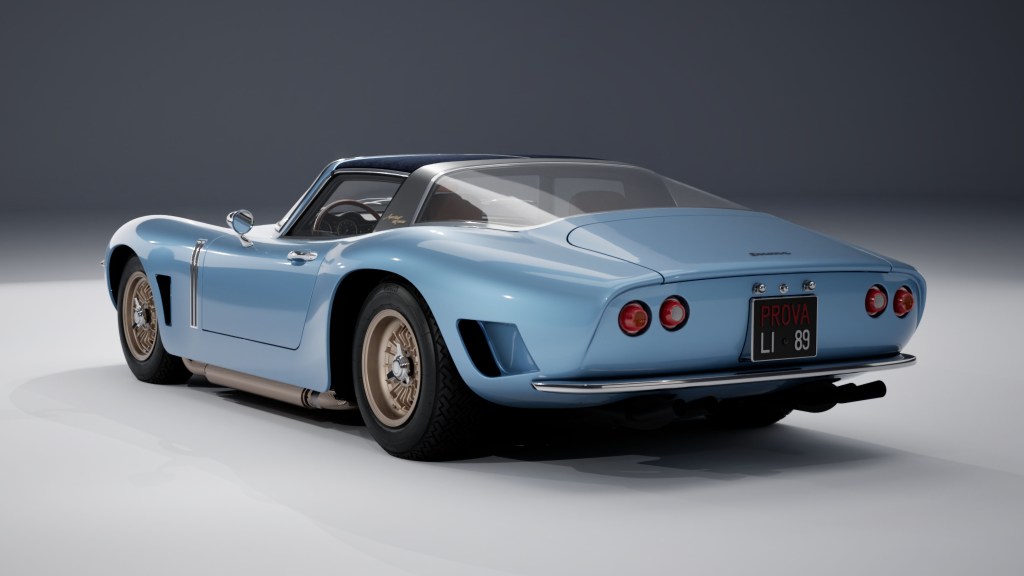
Without Dr. Bez, the motoring enthusiast’s world might look completely different. No Aston Martin, no 7-Series, and no 911, if nothing else, I’d certainly have a hell of a lot less to write about. And what’s he doing these days? Oh, he’s in charge of reviving the Bizzarrini name from the 1960s. Well, with his current track record, I can’t wait to see those back on the road.


Leave a Reply