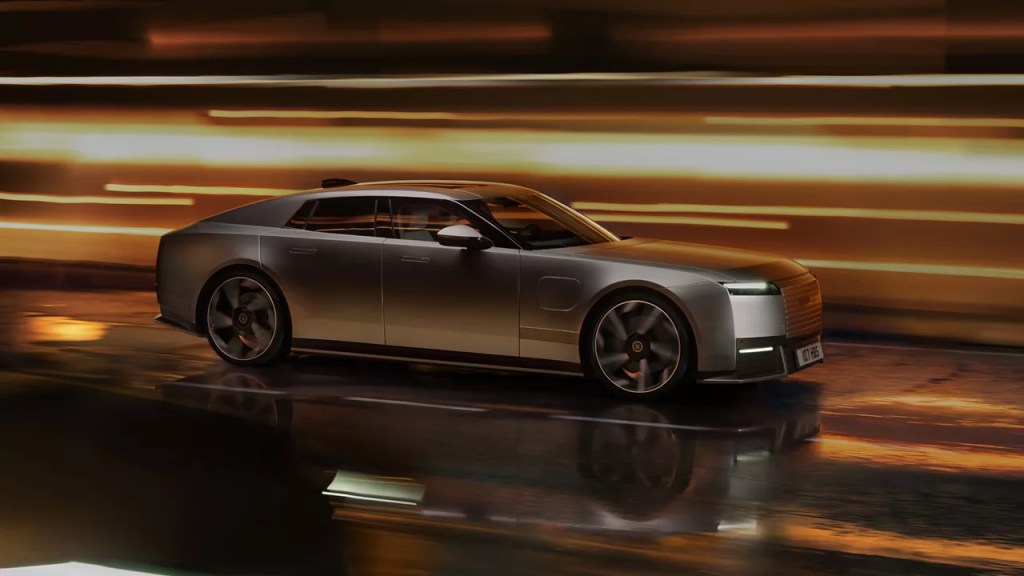
This past week, Jaguar pulled the covers off the new Type-01, and immediately opinions were divided. I, for one, think it looks quite striking, with the high window line and vast bonnet acreage of all the best villainous Jags of the past, my Dad on the other hand, reckons it looks like a skip. It did get me thinking, however, about another time in the past where Jaguar had tried to launch a halo car, because the reception has always been a little bit hit and miss.
The E-Type was a cultural shift for Jaguar. Their Dark Side of the Moon, if you will. Not only was it bite-the-back-of-your-hand pretty, but it was a genuine world-beater, offering massive performance for relatively little outlay, but by 1974 even the E-Type had become a bit of a shadow of its former self. The motorsport straight-six had been replaced with a heavier, lazier V12, and the ride had been softened to the benefit of cruising over handling. Was it a misstep to make the E-Type’s successor even more of a GT car then? Well, not really. By this point, Aston Martin were phasing out the DB5 and DB6 in favour of the larger, softer DBS, and Mercedes had seen the evolution of the razor-sharp 300SL gullwing, to the W113 ‘Pagoda’ SL, to the fat, lazy, Bobby Ewing-spec R107 SL, so getting another cruiser onto the market to compete with those cars at a lower price point seemed to be a stroke of genius.
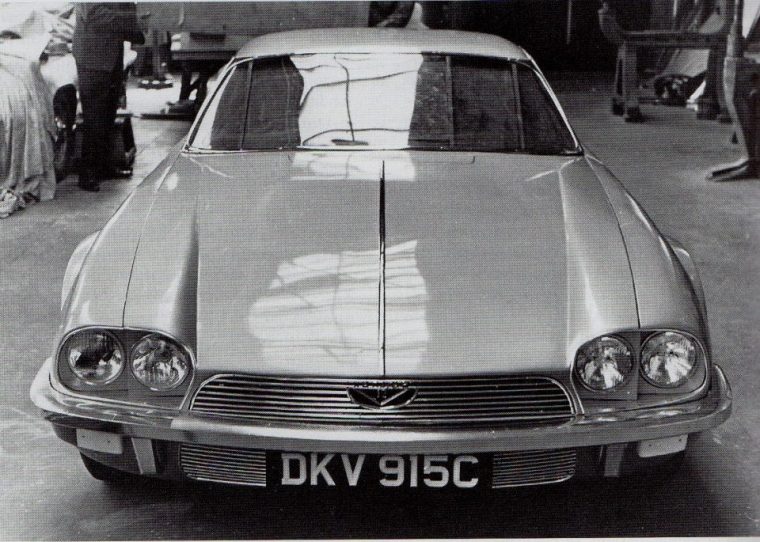
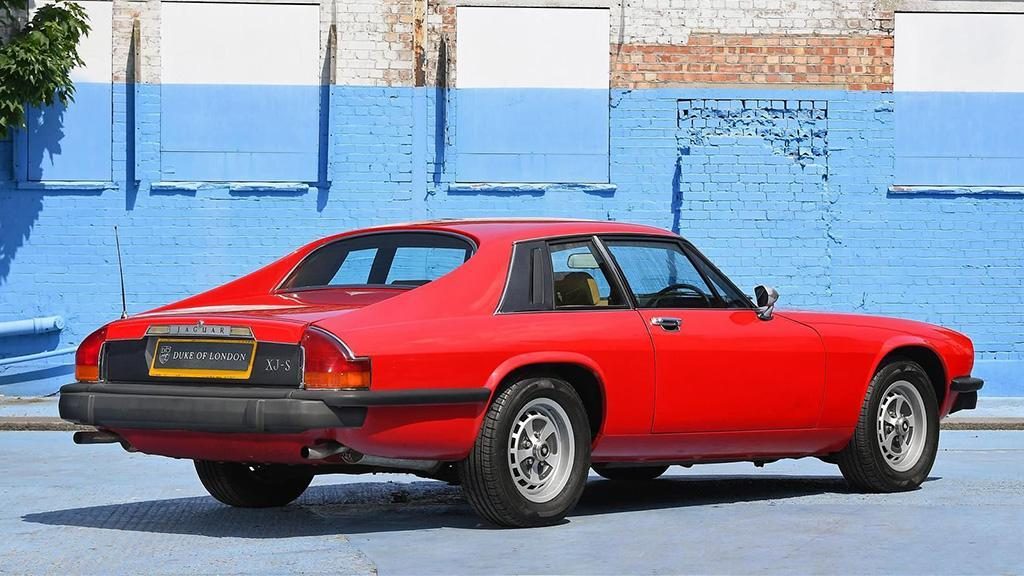
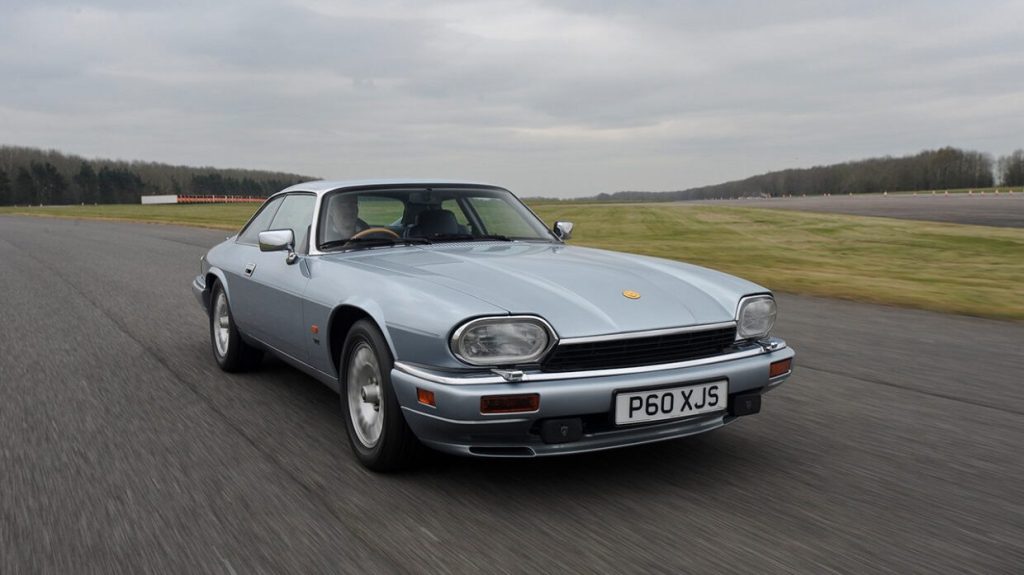
IT was decided then, to make the E-Type successor a competitor to the new SL and DBS, and to do so, Jaguar would need world-class underpinnings. Luckily, they had just the thing. Refinement, comfort and an air of sportiness were the exact tenants used to create Jag’s last masterpiece, the XJ6 saloon. As such, the engineers took the chassis from an XJ6, cut it in half, chopped out some of the wheelbase, and then welded it back together again, creating sort of an XJ Coupe (an idea they liked so much, the Jaguar XJ Coupe would go on to become its own separate model in 1975). On top of the new shortened chassis would go a low-slung, muscular coupe body, or rather, that was the plan. The new car (known internally as Project XJ27) was being penned by Jaguar legend Malcolm Sayer, the same man behind the C-Type, D-Type and E-Type and a genius aerodynamicist. It was Sayer’s idea to fit the XJ27 with its signature buttresses flanking the back window as these would improve stability as the car approached it’s proposed 150mph top speed, but tragically, he would pass away in 1970, leaving the project unfinished. Completion of XJ27 was left to Doug Thorpe who made several radical changes to the car’s design. Replacing the large front grille with a much thinner one and dropping the slope of the bonnet accordingly, losing the chrome bumpers in favour of using US-spec rubber bumpers across the whole range, and fitting those strange vents by the back windows, apparently to draw the eye away from the buttresses.
Underneath that mile-long bonnet however, there was far less debate. The new car would get a development of the V12 from the E-Type. Tracing its roots back to the XJ13 Le Mans prototype racer of the 1950s, the V12 was reworked by engineers Walter Hassan and Harry Mundy from dual-overhead-cam to single-overhead-cam for better road manners and then bored out to 5.3 litres to make up for the lost power. In an effort to reduce the overall size of the V12, Hassan and Mundy implemented a ‘Heron’ head system. Essentially, unlike a normal combustion engine where the piston pushes fuel and air up into a combustion chamber, on a Heron system, the piston itself becomes the combustion chamber, with the top of the piston having a concave recess rather than being flat. Because you don’t then have to have an empty space above the cylinder, that reduces the profile of the engine head, leading to a smaller engine. Finally, the old E-Type’s carburettors were removed in favour of Bosch fuel injection, giving the V12 an output of about 285 horsepower, perfectly competitive with it’s rivals.
At the Frankfurt motor show in 1975, the new car broke cover for the first time. Now christened XJ-S (to reflect the fact that it was a sports car on the XJ platform), the reception was… lukewarm. The looks were polarising. Some people liked the long bonnet, some people hated the front end, some people thought it looked rakish and cool, some people thought it was far too big and heavy-looking (Sound familiar, maybe?). In reality, there were two main issues with the XJ-S. Number one; it looked unfinished. Number two; it was launching with an incredibly thirsty (something-teen-to-the-gallon) V12 in the midst of a fuel crisis. Oh bugger. The XJ-S was a sales disaster, with production ending six months ahead of schedule to allow dealers to shift unsold stock.
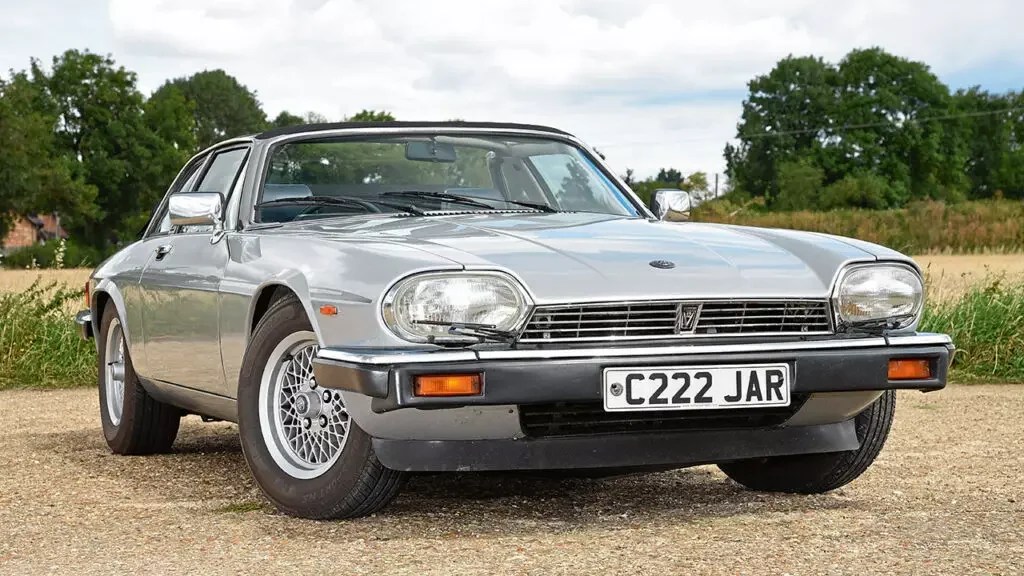
Quickly scrabbling to fix the issues, the V12 was massively redesigned, scrapping the old Heron pistons in favour of conventional ones paired with an all-new cylinder head, allowing the engine to run a ridiculously high 12.5:1 compression ratio, which in context for the time, was closer to the compression of a diesel engine than it is a normal petrol one. On top of that, a new lighter gearbox with a longer final drive was fitted, allowing the XJ-S to run at lower rpms at motorway speeds. The result? An extra ten horsepower and fuel economy shot up… from about 15mpg to about 22mpg, but hey, every little helps. In 1981, Jaguar tried again. This time launching the XJ-S HE (for High Efficiency), alongside an “entry-level” sister car that ditched the V12 entirely in favour of a 3.6 litre straight six. In the six years since the car had originally launched, Thorpe had tidied up the design too, re-introducing chrome bumpers, and ditching the strange two-tone boot lid and front bumper in favour of normal body-colour panels.
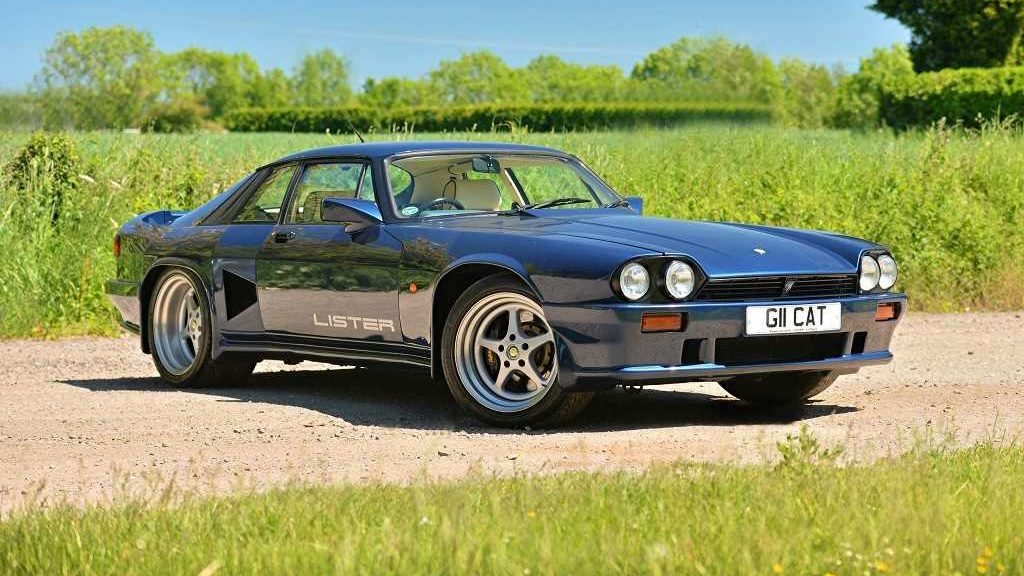
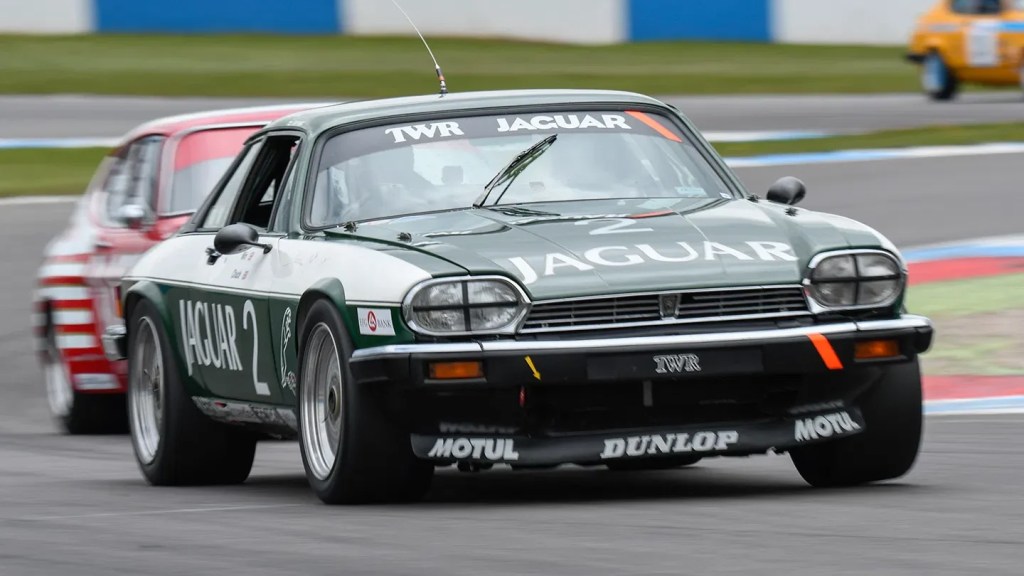
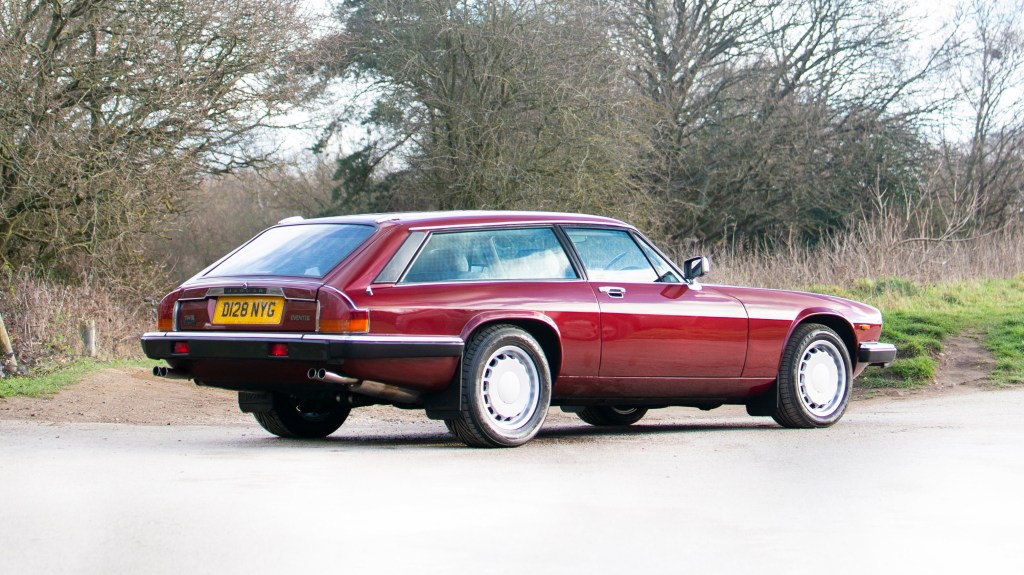
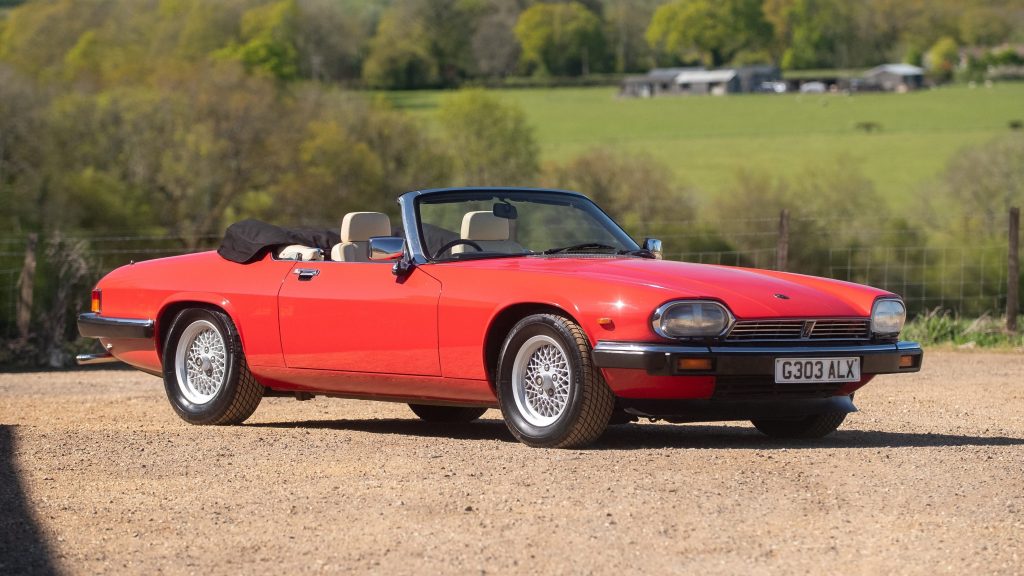
From there came all sorts of different versions. A convertible, the targa-roofed XJ-SC, coachbuilt versions like the Lynx Eventer Shooting Brake, high-performance versions from TWR and Lister, and in 1991, a facelift that saw the XJS (now sans hyphen) modernised for the next decade. For all of its divisive looks and initial scepticism, the XJ-S became one of Jaguar’s most successful models with a staggering 21-year production run. So if you’re looking at the Type-01 today with a bad taste in the mouth, don’t worry. The F-Type might have been Dark Side of the Moon, but there’s no reason why the new Jag can’t be Wish You Were Here, after all, it’s happened before.


Leave a Reply