There’s a strange phenomenon in the automotive world. Whenever somebody considers buying an electric car of some sort, their average daily commute balloons to tens of thousands of miles. Suddenly, the 300ish miles you get from a Polestar 2’s battery are nowhere near enough for the average driver, so naturally the only answer is to buy something that will go from Land’s End to John O’Groates on half a tank of crude. Welcome to the dirty, sooty, low-down-torquey world of the Diesel engine. If one man has had more impact on the perception of the diesel engine than anyone, it has to be previous Automotive Heroes subject Ferdinand Piëch, but not exactly for the reasons you might think.
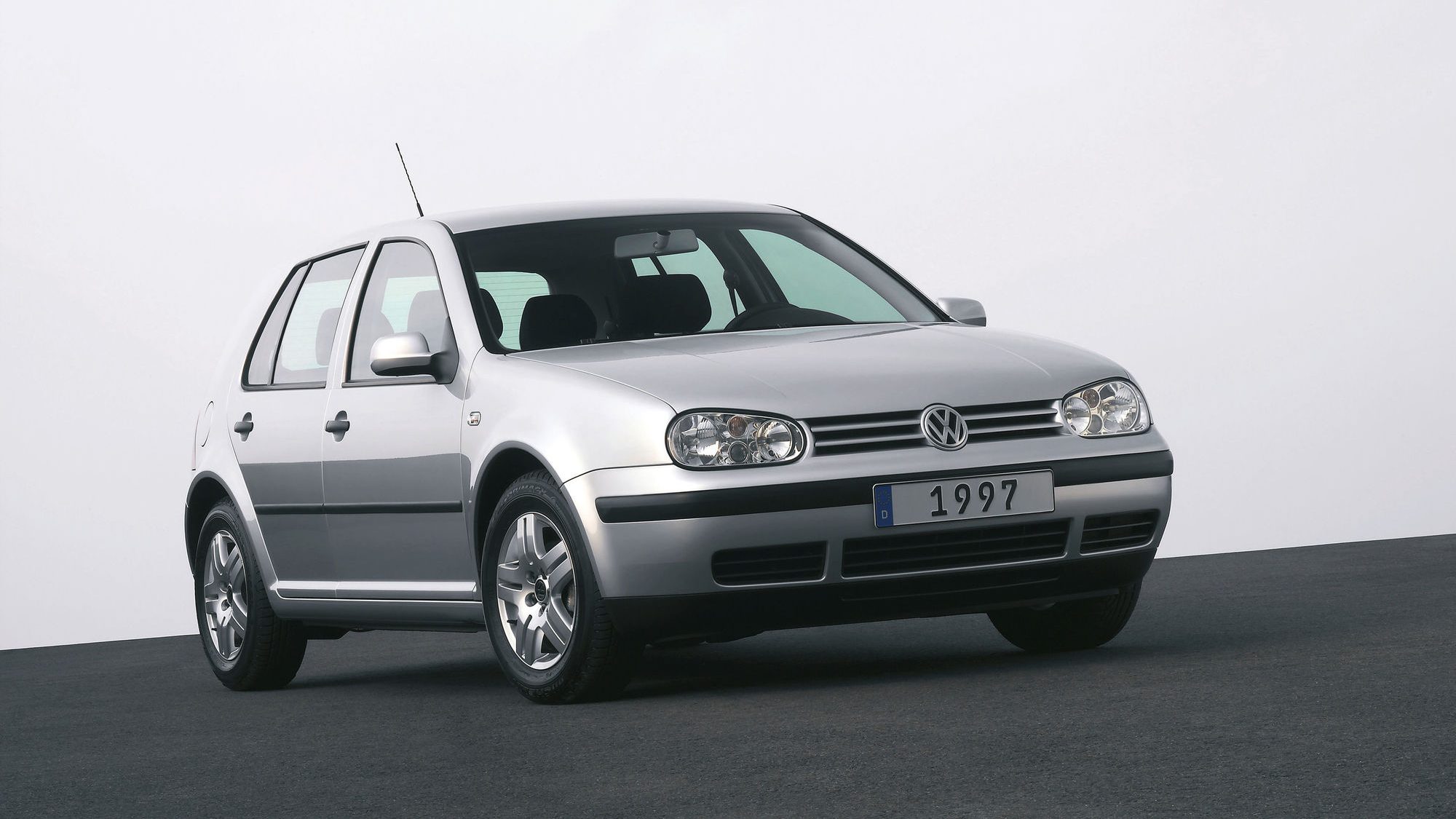
Piëch had always had a fascination with diesel engines, even helping Mercedes to develop the OM617 – the world’s first production 5-cylinder road car engine – turning their clattery old 4-cylinder diesel into something regarded by many to be one of the most reliable engines of all time. But for sheer ubiquity, there’s just one Piëch-era diesel that we simply HAVE to mention. You see, there were many drawbacks to owning a diesel in the 80s and 90s. They were loud, lumpy, sooty, and woefully underpowered, but Piëch saw the potential, and commissioned his development team at Volkswagen to try and perfect the diesel engine by eliminating those issues. To improve the smoothness and tailpipe emissions, the team fitted their new engine with Bosch fuel injection. Commonplace on high-power petrol engines, not so much on your diesel runabout. In fact, it was a world-first, and so the engine was named after it. Injector in English is “Pump Duse” in German, so the engines became known as “PD”. To add some much-needed power and flatten their torque curve, the PD engine was fitted with a turbocharger, creating the world’s first Turbo Diesel with injection, commemorated in the badge that adorned the boot lid of many a Golf and Passat; TDi.
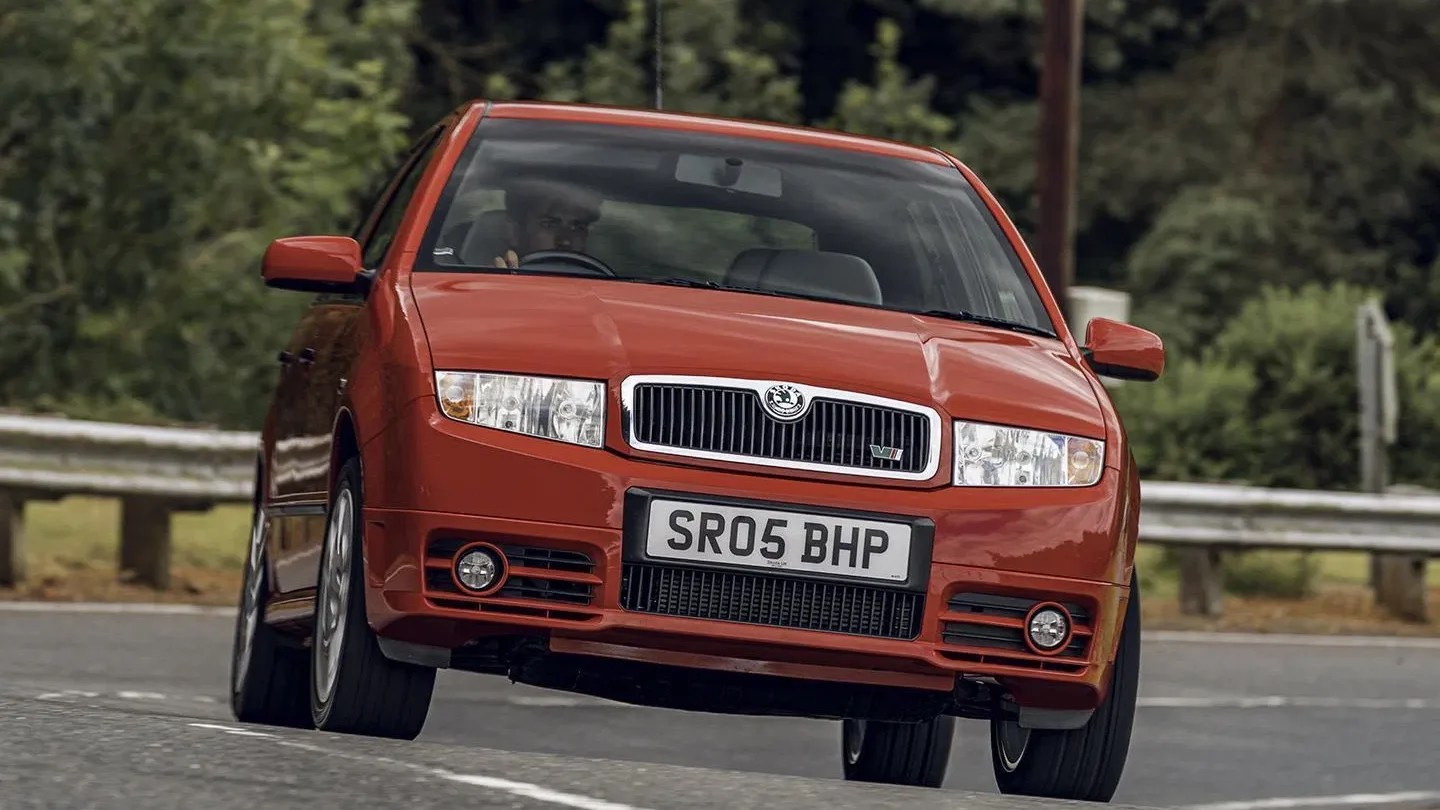
The 1.9 litre PD TDi engine really struck a chord with some, proving smooth enough for long-distance cruising in the likes of the Audi A4, but still powerful and sporty enough to find a home in the Skoda Fabia VRS, it’s no wonder then that the PD has cultivated a strong fanbase over the years. These PD-philes (as the probably don’t appreciate being called) will gladly espouse the benefits of their favourite oil-burner, often calling it the “greatest European engine ever made” and even being able to extract sports car troubling power from them with a few mechanical tweaks, but the reason for the PD’s success goes far beyond a niche enthusiast group. In the late 90s, the European car market was at the beginnings of an upheaval. Governments across the continent were waking up to the prospect of climate change, and they were rushing for easy to implement, quick-fix solutions to keep them in good graces with their constituents. For them, the new and improved diesel engine came as a godsend, with the ability to go into the vast majority of everyday cars and double or even triple a car’s MPG, and so the car tax brackets were altered, incentivising people to buy cars with these better emissions ratings. Almost overnight, Volkswagen had millions of new customers, all wanting exactly what Piëch was selling.
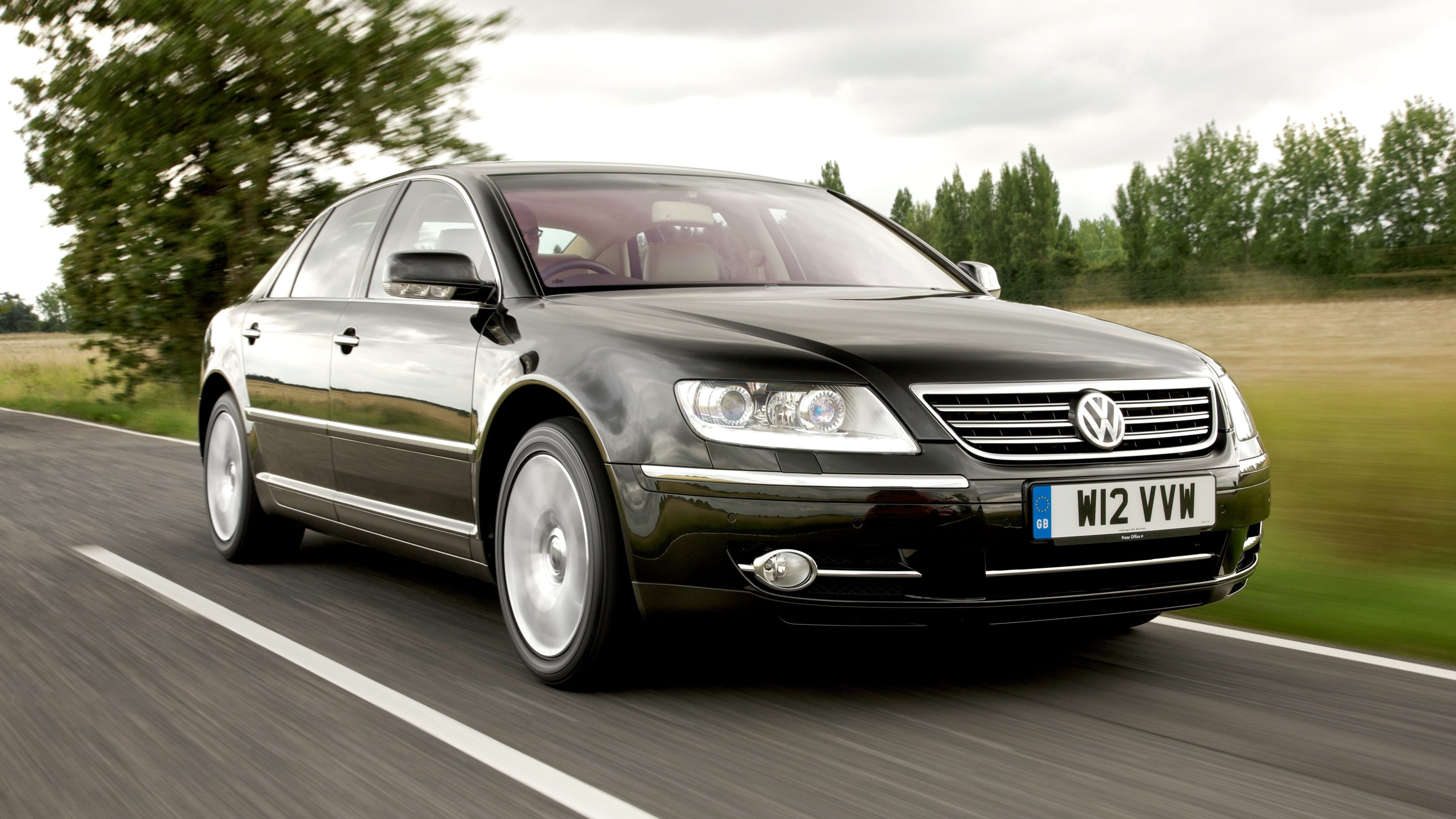
Of course, Diesel engines aren’t just for the masses, there’s one for the elites too. In the early 00s, Volkswagen expanded their stable to include a small British marque called Bentley, and set about creating the era-defining Continental GT. The only issue was cost. Developing an all-new chassis and suspension setup for a bespoke London to Monaco cruiser is a costly business, so Volkswagen decided to offset the overheads by developing another car in tandem. To make sure the sister car shifted units, they decided to make it an easier sell to Germany’s business elites. Ostensibly pure Bentley underneath, but clothed in conservative styling, a sensible saloon body shape, and a VW badge. While you could buy the new Volkswagen Phaeton with a full-fat Bentley-derived W12 petrol engine (a naturally aspirated version of the Continental’s engine), the pick of the bunch was arguably the next one down in the range. With ten cylinders and two turbochargers, the 5.0 litre V10 TDi was purpose-built for luxury. Producing all 750NM of its hefty torque figure (200NM more than the W12) at just 2000rpm, the Phaeton let you surf a wave of near-silent shove all the way to 155mph, with development prototypes hitting speeds of over 185mph during testing, while still achieving around 30mpg.
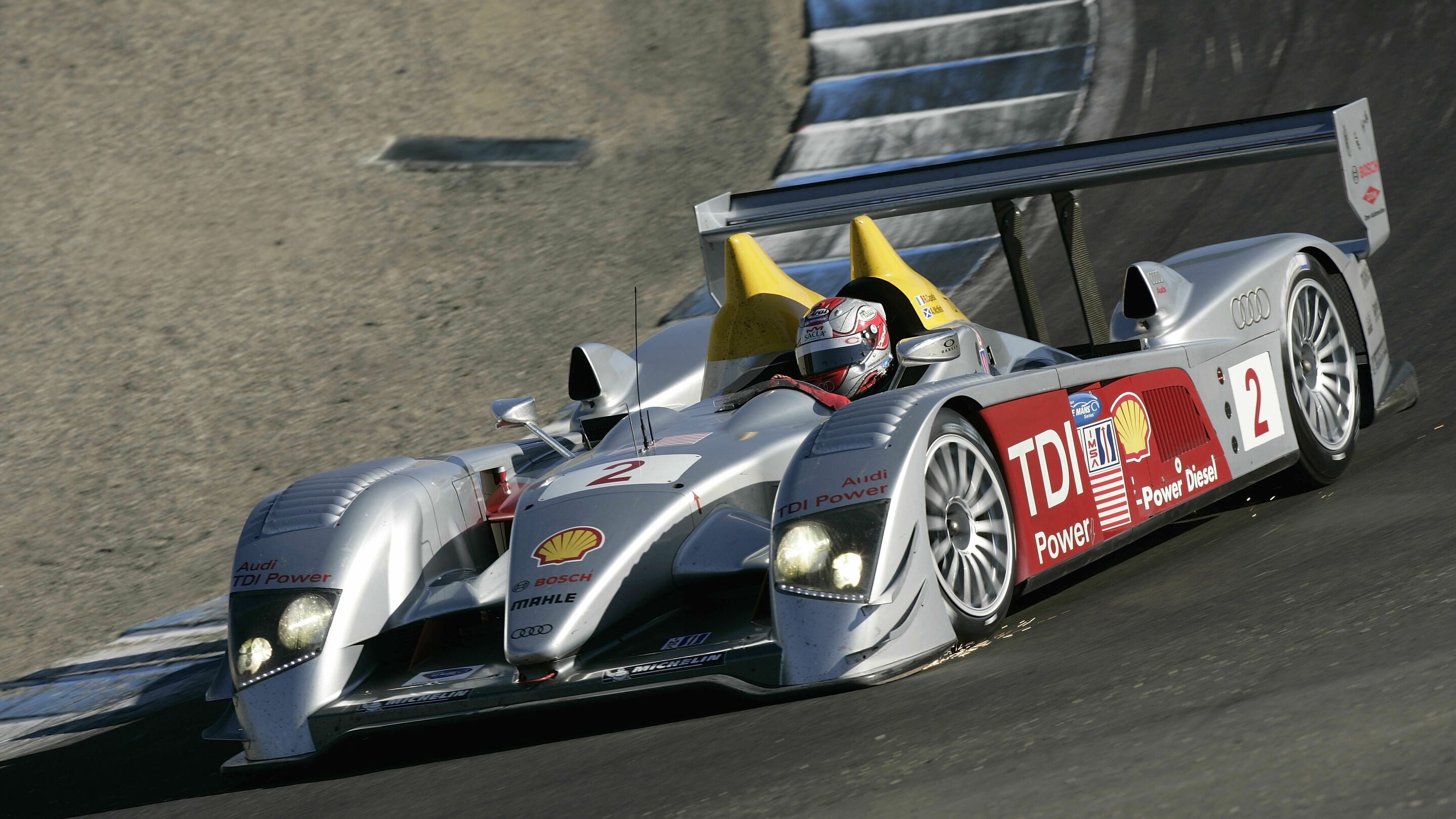
Seeing the performance of the mighty Phaeton, the skunkworks motorsport division at the heart of the Volkswagen-Audi empire hatched an idea. The Phaeton could achieve fantastic power whilst retaining its frugality, meaning that it could travel very long distances at very high speed without needing to refuel. Perfect for the autobahn then, but do you know where else that might come in handy? A racing event where competitors cover over 5000km across 24 hours, that’s where. Le Mans, 2006. Audi arrives on scene with a brand-new racing car called the R10, that has spent the last few months dominating the American LM Series. This is no oil-burning runabout, of course. With the demands of endurance motorsport, the R10’s 5.5 litre twin-turbo V12 has been developed to the Nth degree. The steel engine block has been thrown away, in favour of an equally strong but significantly lighter aluminium-silicone alloy one, the twin Garrett turbochargers had been uprated to 2.9 BAR, and Bosch had developed a bespoke fuel injector rated to a staggering 23,200 psi. The headline figures were 640 horsepower and 1,100NM of torque, which proved to be plenty in a chassis weighing just 925kg. The R10 completed 380 laps without issue, four entire laps ahead of the next fastest competitor, becoming the first diesel car in history ever to win Le Mans.
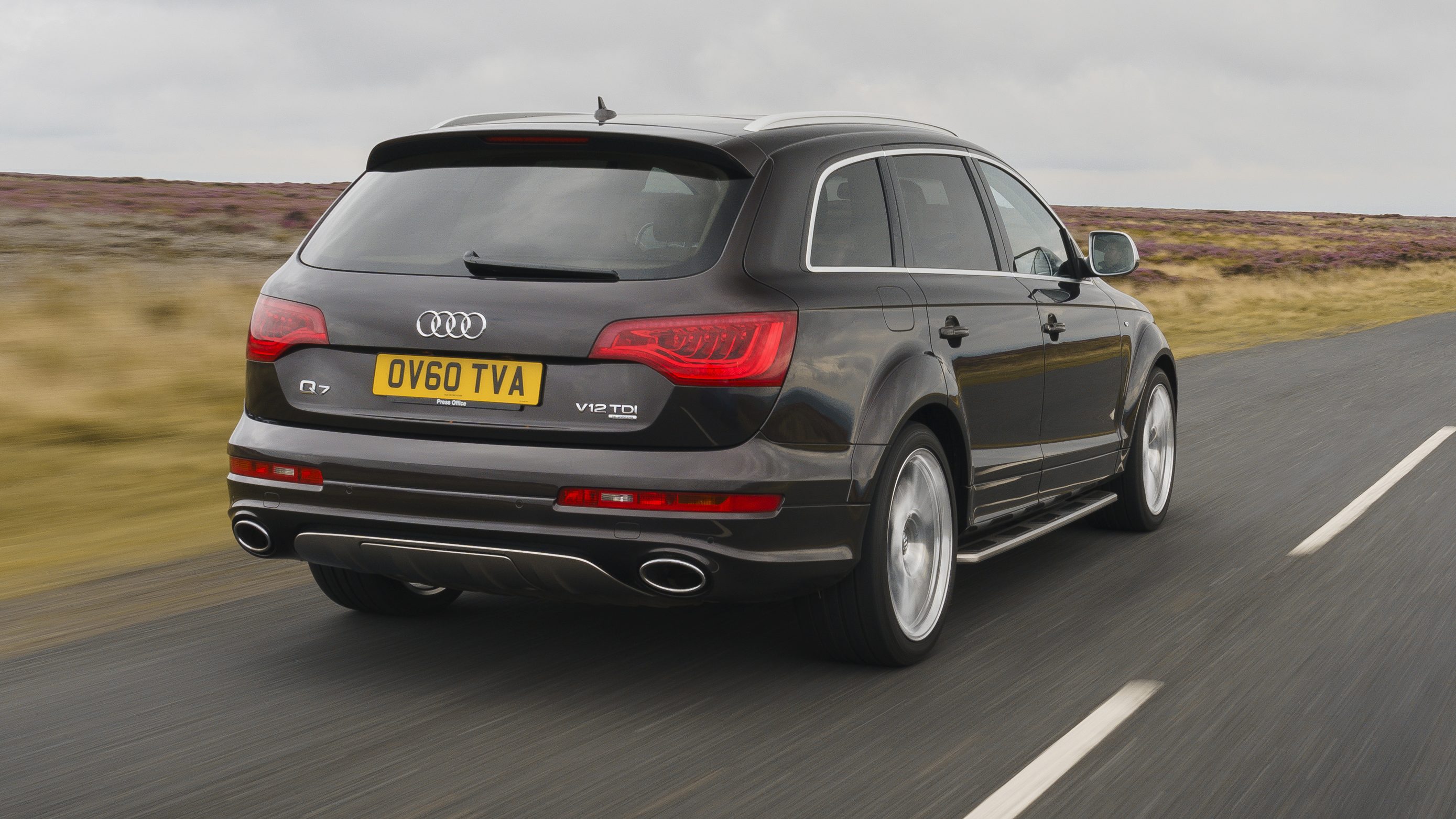
If you like the idea of driving around with a V12 diesel at your beck and call, but aren’t called “nine-time Le Mans winner Tom Kristensen”, then do I have the car for you. In 2008, Audi decided to crowbar one into the front of their enormous Q7 family bus. This wasn’t a race car cut-and-shut though, as the 6.0 litre V12 in the Q7 had exactly zero shared components with the 5.5 litre R10, so it was more of a homage than anything, but that didn’t stop it from producing 500 horsepower and 1000NM of torque – or to put it another way, enough to tow the entire town of Swindon, or at the very least catapult all 2.6 tonnes of Q7 to 60mph in just 5.5 seconds. Add to that uprated suspension and carbon ceramic brakes as standard, and the Q7 V12 TDi might be the most extreme SUV ever built. So why have you never seen any on the road? Well, because it arrived in showrooms in late 2008, just as the world’s economy went belly-up, and with it, the demand for a £100,000, 25mpg extravagance. There are still a handful of Q7 V12s out there on the roads, trading hands for slightly less than the cost of a brand-new 2.0 litre Audi Q5, so Audi might possibly have given us the ultimate modern Q car, in the form – in true modern fashion – of an enormous SUV.
With a history like that, I’d say that no company has ever done more with diesel engines that the VAG group, and with good reason. Luxury, performance, economy, even motorsport, nobody was safe from Piëch’s TDi baby, and the sheer variety of sizes and applications meant that many of them were utterly unique. There has never been another diesel V12 road car, although Audi did experiment with slotting that engine into the back of their R8 supercar, and the only other V10 diesel came from VW themselves in the Touareg. I think they just really like the smell of soot. Perhaps there’s even diesel engines doing odd jobs at VW/Audi HQ. Like a PD-powered lift or common-rail food blender. Maybe there’s even one that opens and closes their security fence… some sort of Diesel Gate, if you will…


Leave a Reply