Picture the scene. It’s 1930 and you’re an incredibly successful stockbroker, with a residence in London (naturally) and a holiday chalet on the French Riviera. As it stands, the Channel Tunnel is about sixty-four years away, so if you want to pop off on your depression-era holibobs, you have no choice but to pack up, take a train down to Folkstone, hop on a boat, and then take another train from Calais to Cannes. In those days, the only route from Calais to Cannes was operated by Le Train Bleu (or The Blue Train to you and me), created by the same people who launched the Orient Express (presumably pre-murders), and carrying on the noble tradition of making mass-transit the exclusive pursuit of the wealthy and famous. Surely, there’s a better way…
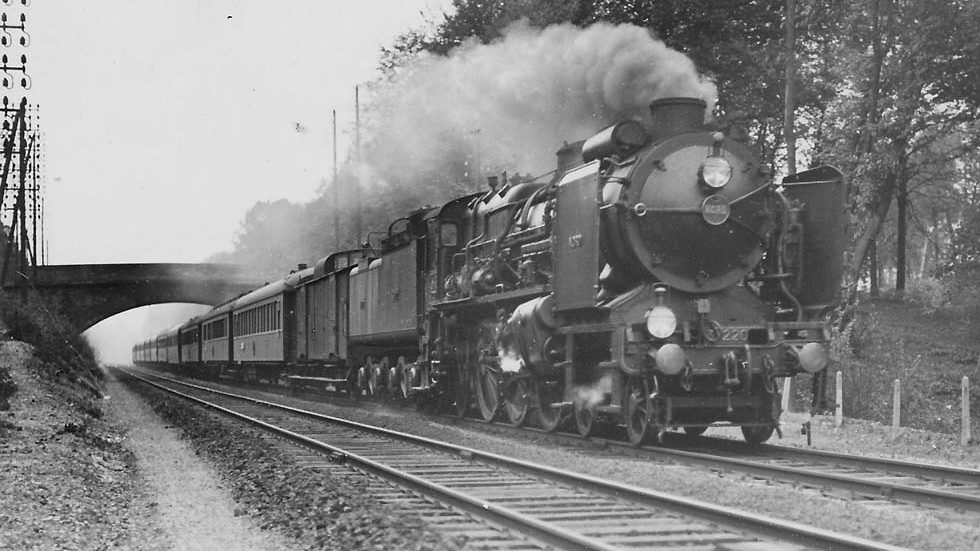
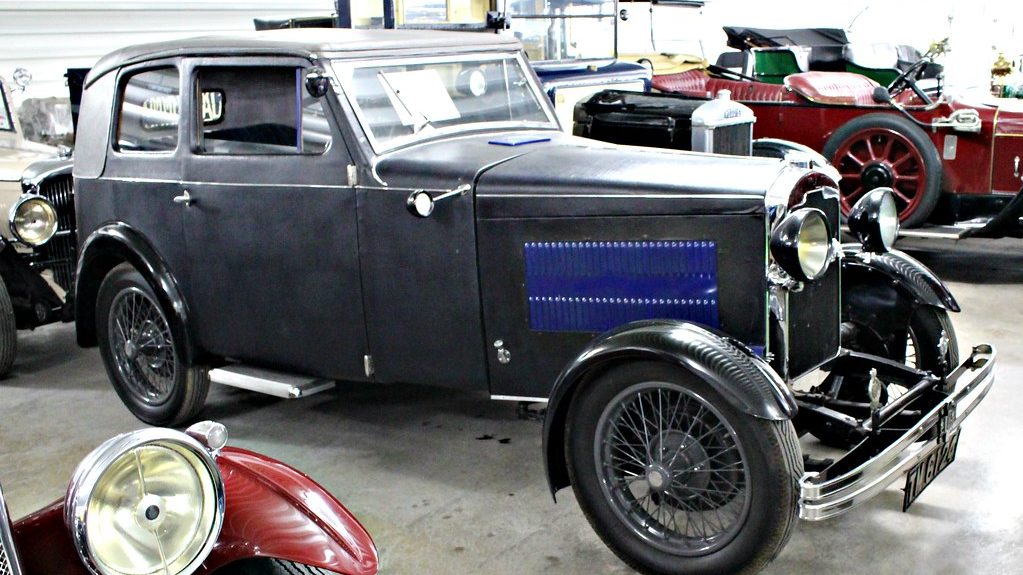
Dudley Noble certainly thought so. Noble was a former motorcycle racer, so he knew a thing or two about speed, and he reckoned that a suitably powerful car could make it back to Calais before The Blue Train, all he needed was somebody to sponsor the trip and a car fit for the task. Luckily, Noble also happened to be the publicist for the Rover Motor Company and knew that they were in the process of marketing their brand-new Light Six saloon, with its 2.0 litre straight-six pushing out 45 horsepower (not to be sniffed at in 1929) and 60mph top speed. Rover agreed and supplied Noble with a car, some petrol money, and a ticket to Calais. Game on!
“Tonight on 1930s Top Gear!
Dudley Noble races a train
James May falls down some stairs
And I write a crap Top Gear Parody!”
Noble set off from St. Raphael on the Côte d’Azur in January 1930, with the train hot on his heels. He’d worked out that – including stops – the train averaged around 40mph, so all he had to do was stay above 40, keeping the throttle pinned for 750 miles all the way across France. Two hours later, the train pulled into Calais, some twenty minutes behind the mighty Rover. For the first time in history, a car had beaten a train.
But not for the last time.
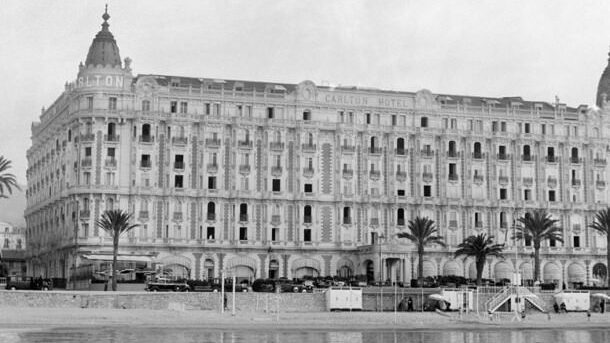
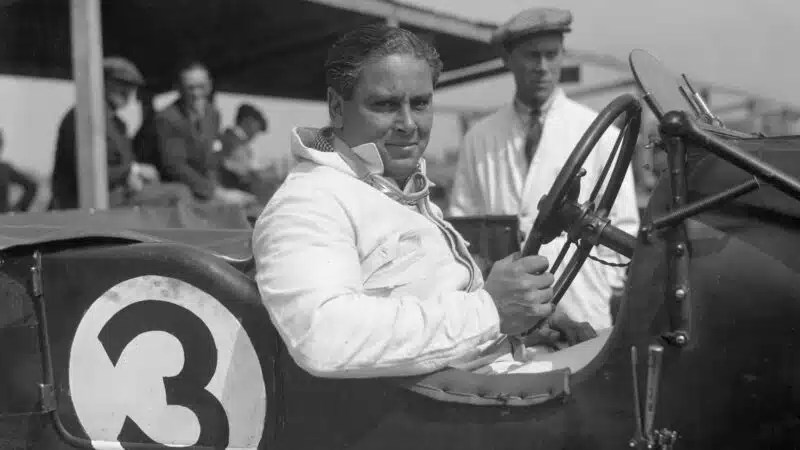
In March of the same year, several bright young things found themselves chatting over dinner at the Carlton Hotel in Cannes, when someone brought up the topic of Rover’s victory over the train. “That’s nothing!” one of the men at the table (probably) shouted. “I bet anybody here a hundred quid that I can beat the train in my own car. Not only that, I bet I could get all the way to London before the train even arrived in Calais!” This was no idle boast, because the man in question was a chap named Woolf Barnato. Amateur boxer, tennis enthusiast and two-time Le Mans winner (he’d actually win his third title later that very year), Barnato also happened to be the chairman of Bentley, and had a rather dashing Speed Six saloon sat out in the hotel car park. The challenge was taken up. A race from the Carlton Hotel to the Conservative Club in London for Barnato, before the train could arrive in Calais.
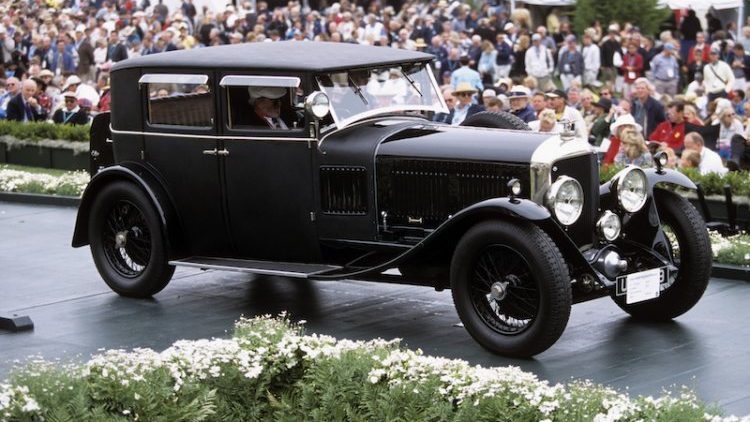
At 5:45pm the following evening, Woolf Barnato downed the last of his drink (no, really) fired up the 6-½ litre, 200 horsepower Bentley and piled into the driver’s seat with co-driver Dale Bourn taking shotgun. At 4:20am, they got lost trying to find a petrol station (presumably Waze wasn’t invented yet), and then an hour or so later, they ended up with a Parisienne puncture, losing valuable time swapping the Speed Six onto it’s only spare. At 10:30am, they boarded a cross-channel ferry, and at exactly 3:20pm (the M25 was a lot quieter back then, what with not existing yet) they screeched to a halt on the doorstep of the Conservative Club with just 4 minutes to spare. He apparently even had time to get another drink from the bar before the train arrived.
And the £100 he won from the bet? That, and a lot more besides, was used to pay off the rather substantial fines he’d clocked up by racing through France. Nothing ever changes.


Leave a Reply