There have been many liberators of the people over the decades, from the Volkswagen Beetle to the Honda Super Cub, millions upon millions have been mobilised by the most humble of automobiles. For me however, and I’m sure most of those who grew up in Britain throughout the 80s, 90s and 00s, there’s one marque that stands above all. For those people, I can absolutely guarantee that you or somebody you know, has owned a Ford Fiesta at some point in your lives.
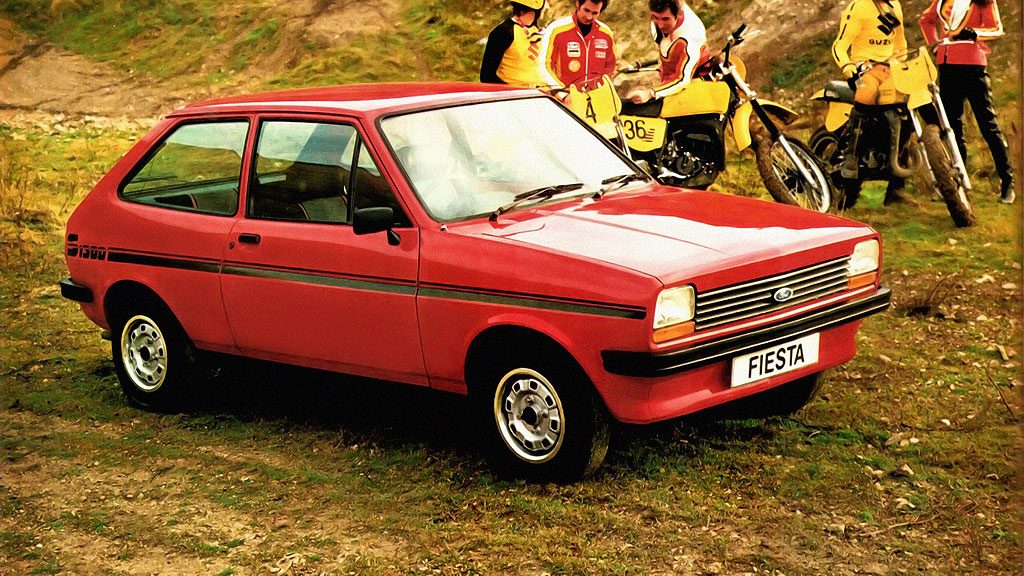
For a car company with such a strong tie to America, people often forget that Ford’s European arm is just as impressive, if not more so, that it’s operations in the US. With seven different manufacturing facilities in five different countries, Ford Europe is basically an entire car company in their own right, often operating independently of their American overlords to design and deliver cars more suited to Europe’s narrower, more technical road network. Which is why, in 1972, Ford’s development plants in Cologne and Essex set about creating the perfect small European hatchback. Firstly, it had to be front-wheel-drive, to maximise the cabin and cargo space, it had to be a shorter wheelbase than competitors like the Renault 5 and VW Polo for easier manoeuvring in tight city streets, and – unheard of in its class – it had to have proper coil spring suspension, for better body control and ride quality or rough, pitted tarmac. In 1976, and one year later in right-hand-drive markets – the Fiesta entered the showroom and became an overnight success, especially in the wake of the 1973 oil crisis, when people desperately needed smaller, more economical family cars. Times never change, eh?
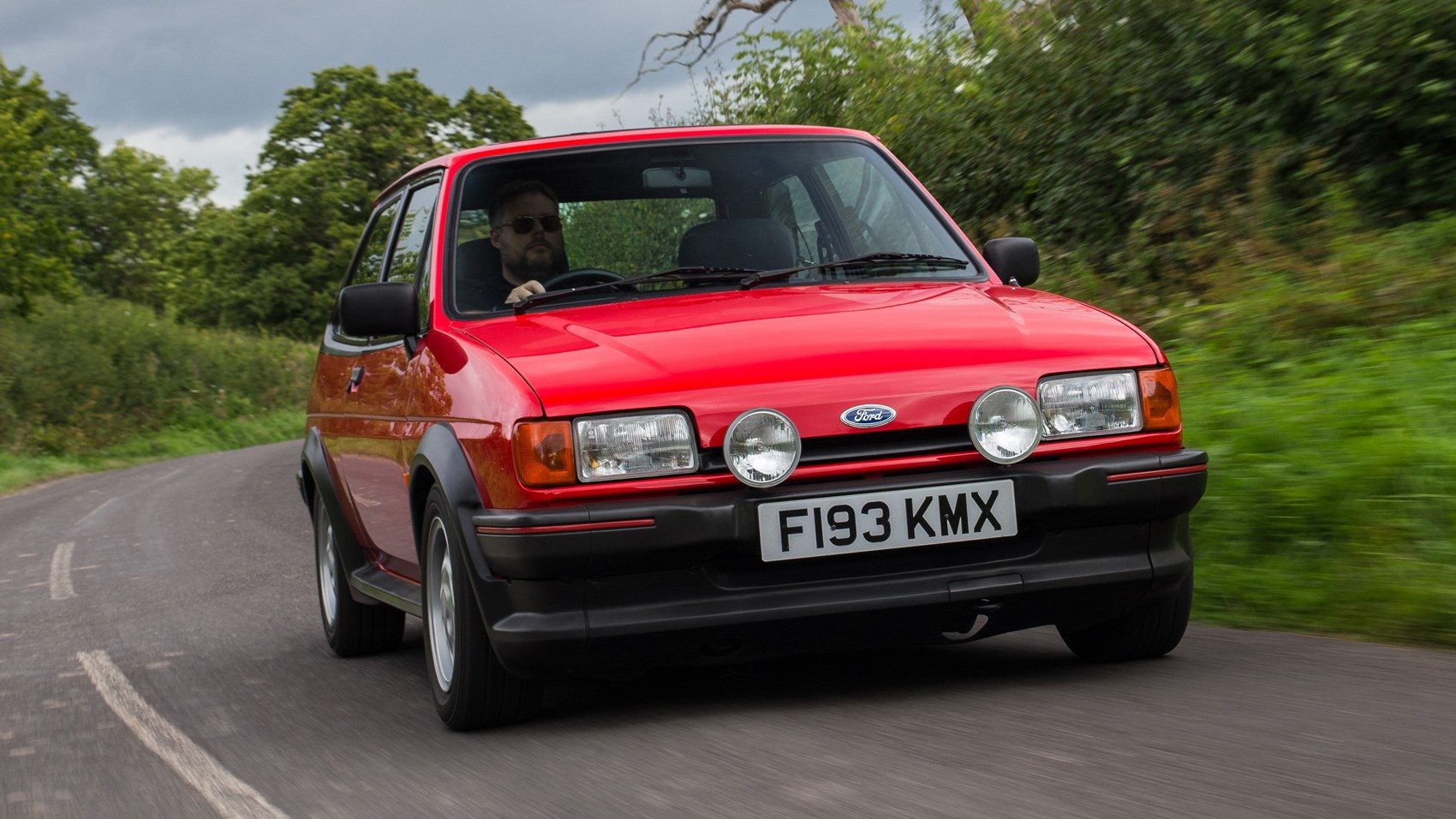
In 1983, the second generation of Fiesta arrived, but was in fact, little more than a heavy facelift of the first generation, with the addition of some new body panels, a five-speed gearbox and an uncommon at the time diesel engine. Let’s be honest though, nobody gives a monkeys about that diesel malarky, so let me tell you about the quick one. In 1984, the Fiesta XR2 hit the roads, with a snorting 1.6 litre engine putting out 96 horsepower, not far off what the legendary Mark 1 Golf GTI was making, plus some pepperpot wheels, chunky bodykit and optional rally-spec spotlights, turning it into the ultimate boy racer package. But the Fiesta had an ace up it’s sleeve. Because it had been developed from the off with coilover suspension, very few modifications had to be made to the chassis to deal with the extra power, meaning it could keep up with other hot hatches of the day, while still being cheap to buy and comfortable enough to justify using in the real world.
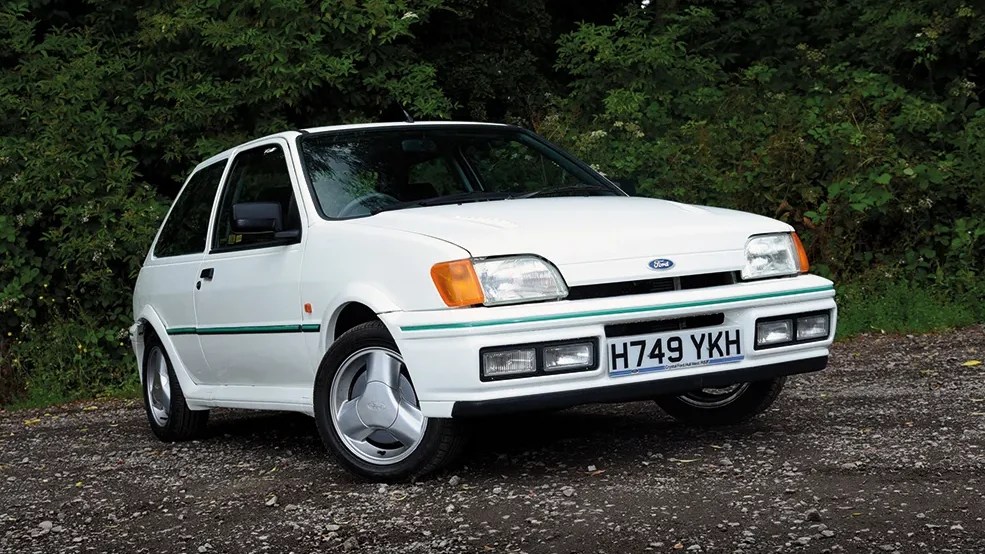
The third-generation Fiesta was not just a mild facelift. Instead, it was a completely new car from the ground up, retaining the original recipe while fixing all the little quality of life issues from the first two outings. The Diesel engine was improved to make it more powerful and less horrid, the rear beam axle was swapped for semi-independent rear suspension, and there were now more body types to choose from. 3-door, 5-door, panel van, box van, pickup (the latter two sold as the Ford Courier), whatever you wanted, there was a Fiesta to meet your needs. No wonder then, that they sold a million of them in just two years. And don’t worry hot hatch fans, because the third-gen Fiesta also introduced the first turbocharged model, with the RS Turbo’s Garrett T2 pumping out a healthy 133 horsepower, pipping even the 1.9 litre version of Peugeot’s legendary 205 GTI.
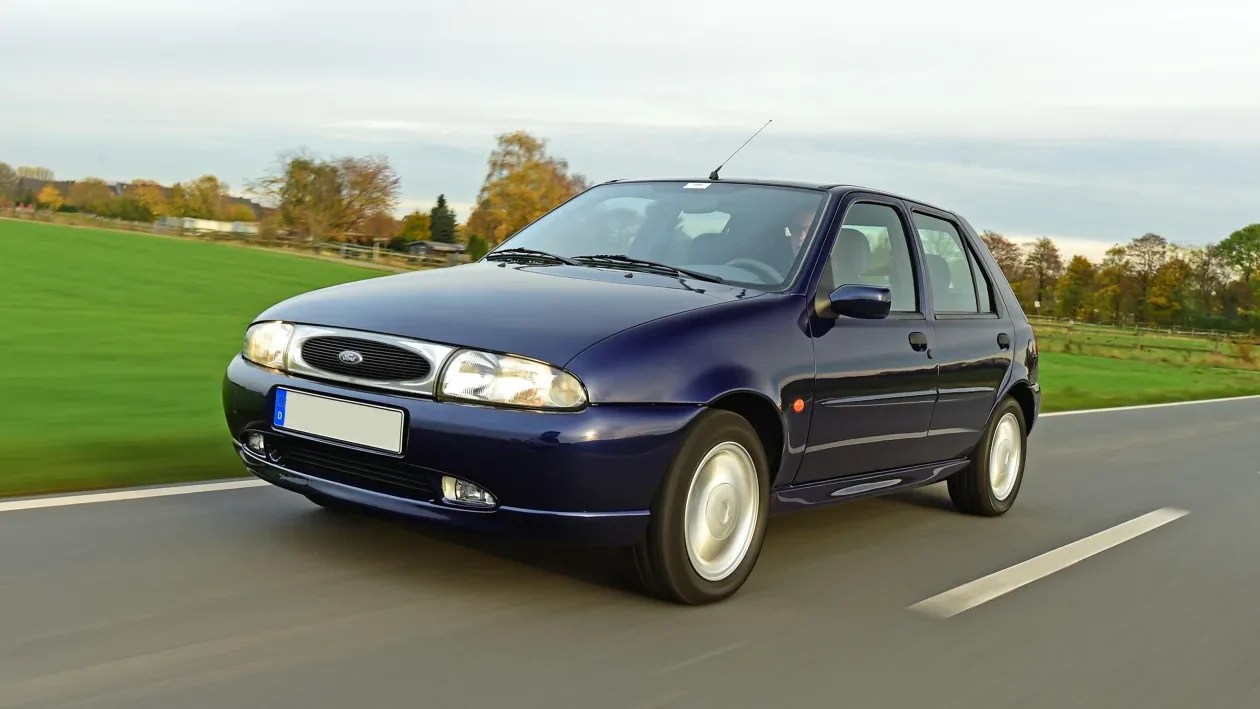
If I’m honest, the fourth-generation Fiesta was a bit pants. Opting for the soft-focus rounded-edge look that seemed to be popular with all 90s cars, under the surface it was basically a lightly modified version of the old car again. Because of that, there was very little room inside, especially for rear passengers, and the ageing suspension didn’t do itself any favours either with a ride that was somehow simultaneously bouncy and harsh, so not only would you feel the pothole you hit, but you’d spend the next half-mile bobbing along like a dingy in a tsunami. That being said, I’m basing this off the car that my mate Charlie owned while we were at college. It was a hand-me-down from his older sister, and given the shoestring budget he used for petrol, and the fact that I once discovered that the dipstick was bone dry, it’s safe to say that the only substantial fluid in that car of any sort was the half-empty bottle of raspberry Sourz that he kept in the rear footwell. Ah, memories.
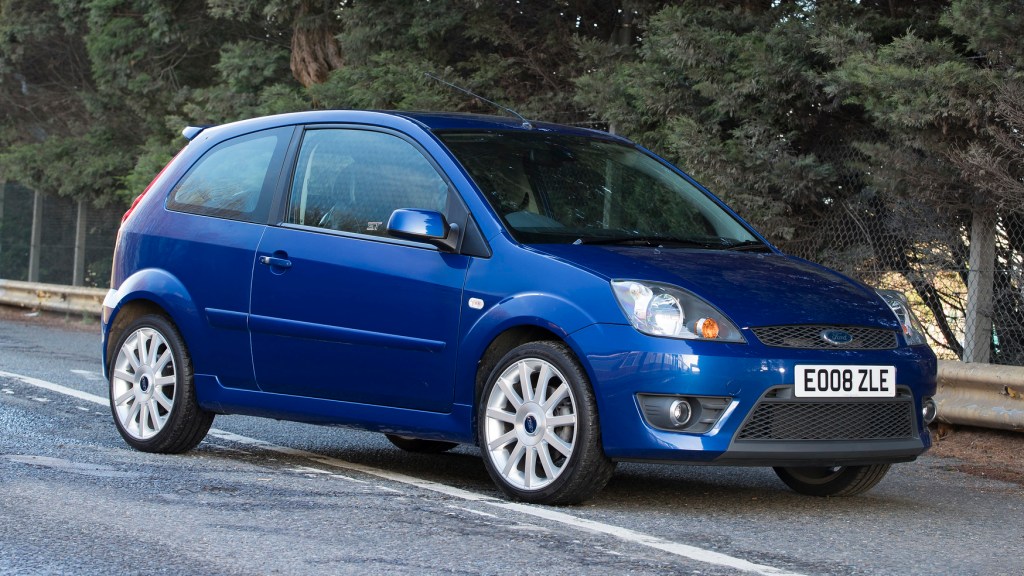
The fifth-generation Fiesta on the other hand, was a revelation. Finally ditching the silhouette of the old cars, it was roomier inside and safer in a crash (ask me how I know). But best of all was the chassis. This was the first generation of Fiesta developed under the watchful eye of Ford Europe’s handling maestro Richard Parry-Jones, and it shows. The steering is light, but accurate and communicative, and the grip levels even in the cooking model cars is astonishing, letting you make surprisingly quick progress on a winding B-road. The reason for that is simple. Even the base model Fiesta used the same basic chassis – albeit with softer springs, dampers and anti-roll bars – as the full-fat Fiesta ST, so even on the school run, you could sense that underlying whiff of sportiness. On that note, whoever decided to drop the 2.0 litre engine from the Mondeo into a tiny city car to give us the 150-horsepower Fiesta ST, I salute you sir. Your decision gave us a piece of hot hatch royalty, forever changing the landscape of council estates everywhere. May both sides of your pillow always be cold.
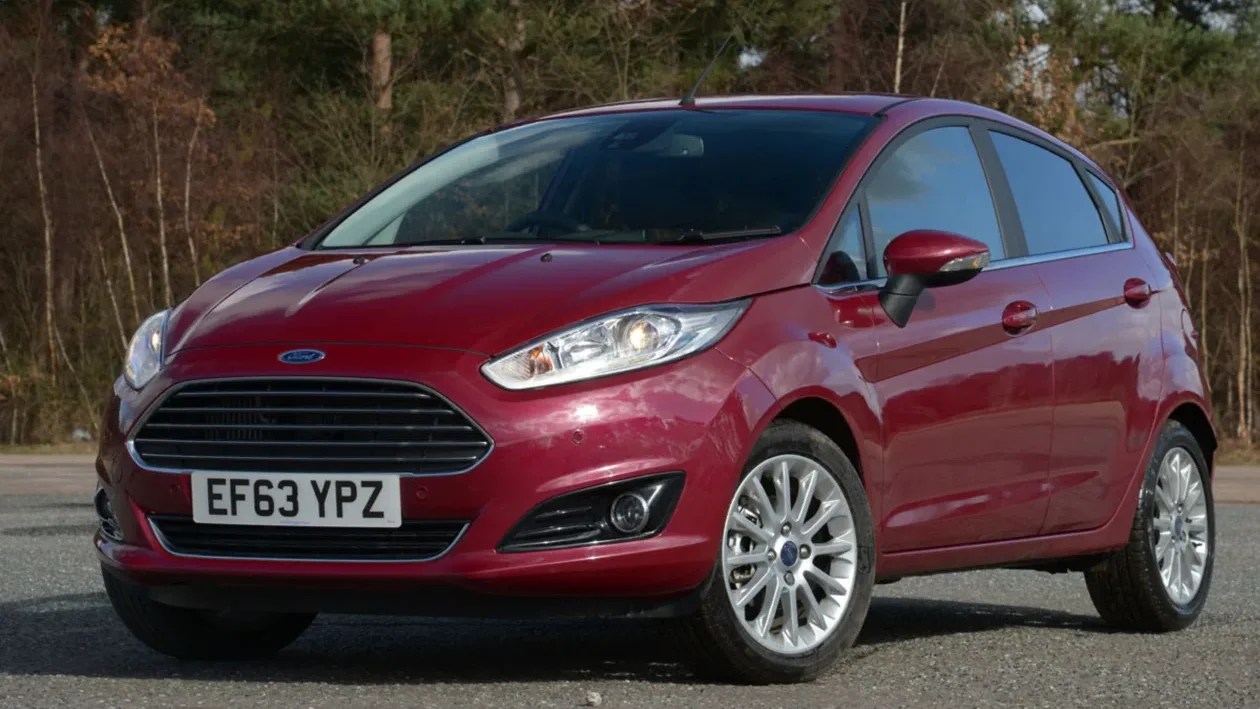
Another generation, another showroom domination. The sixth-generation Fiesta launched in 2009 to critical acclaim, with AutoExpress magazine not only impressed at the ride and handling – by now a Ford staple – but by the level of tech that Ford had managed to cram into such a small car while still tipping the scales some 40kg lighter than the old car, proving that modern toys shouldn’t have to come at the expense of a light, fun to drive chassis. Unfortunately, the only thing people seem to remember nowadays about this generation of the Fiesta was once it’s biggest selling point. In 2012, Ford unveiled an all-new Fiesta with an absolute cracker of an engine. A 1-litre, 3-cylinder EcoBoost unit so small that the footprint of the block was only the size of a sheet of A4, but thanks to a tiny turbocharger put out 125 horsepower while still delivering a claimed 88mpg. A no-brainer pick then? Well, everyone seemed to think so, unaware that what they were actually buying was a timebomb. You see, 3-cylinder engines vibrate quite a lot, it’s part of what gives them their distinctive off-beat noise, and to supress some of those vibrations Ford put all sorts of sound deadening into the block, including – among other things – submerging the rubber timing belt in an oil bath. If left for long enough, oil will break rubber down, effectively eating the timing belt. That led to one of two things; either the little particles of rubber floating around in the oil would be sucked through into the engine block, clogging up the inlets and stopping the engine from lubricating itself, leading to unsalvageable damage to the pistons, or if you were exceptionally unlucky, the timing belt would snap, your engine wouldn’t fire correctly and your pistons would find themselves nestled snuggly in the top of the bonnet. To add insult to injury, the initial servicing advice from Ford was to replace the timing belt after 10 years or 150,000 miles, by which point the belt would have already likely failed. The upshot? £2000 for a replacement engine.
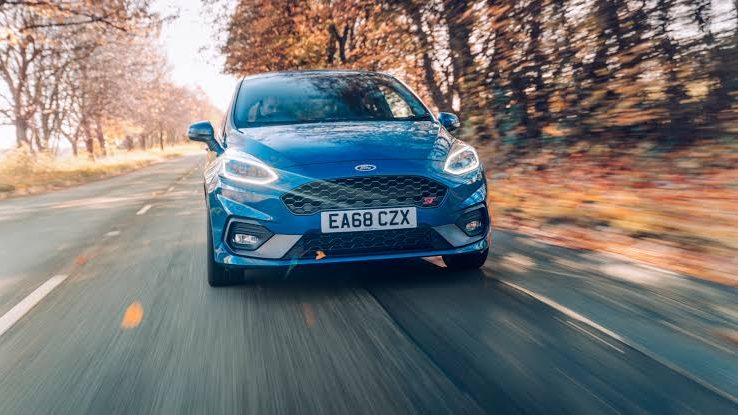
For the seventh generation, there isn’t really much to say. The EcoBoost soldiered on, just as the first ones out of the factory began to fail at an alarming rate, Ford introduced a hybrid version to improve tailpipe emissions, the Fiesta ST got a 1.5 litre, 200 horsepower 3-cylinder (thankfully chain-driven this time), and following the predictable trends of the 2020s, the range now featured a jacked-up offroad-wannabe called the Fiesta Active. Sad as it may be, the most interesting thing about this generation of Fiesta is that – for now at least – it’s the last one. In July 2023, the final Fiesta rolled off the production line in the Cologne factory where it all started. 22 million units sold and the single most popular car in Britain for eleven years running between 2009 and 2020, the Fiesta was an icon as much as it was a car. Street furniture for anyone growing up in the UK for the last fifty years. To see the Fiesta – one of the absolute best ‘normal’ cars you could buy – replaced by a fleet of dull, over-heavy, homogeneous SUVs is, frankly, a travesty, and one I think future generations will look back on, and wonder just what the hell we were all thinking.
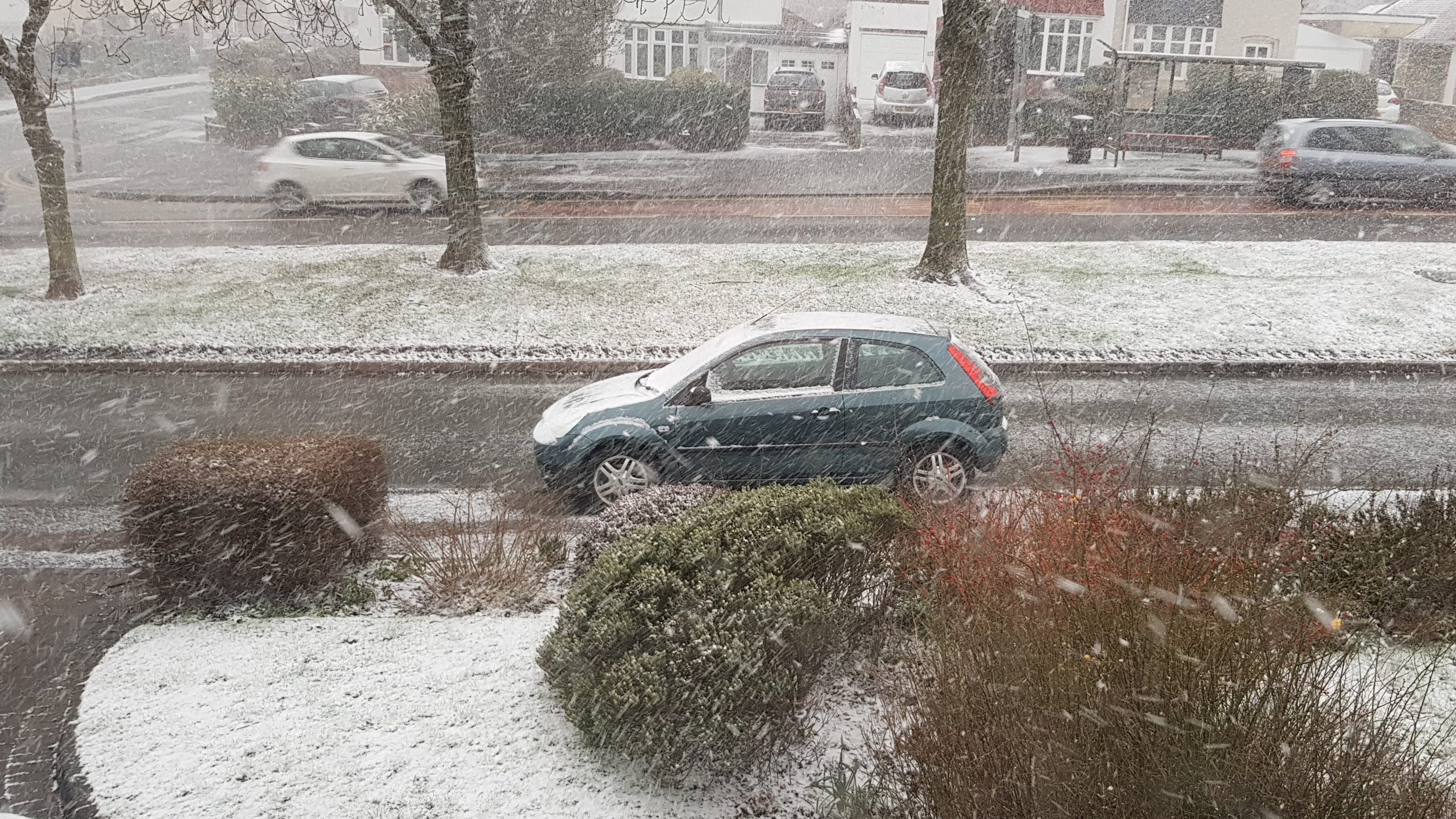
On a personal note, I love Fiestas. I learned to drive in one, my mate used to ferry me to college in one, and I’ve owned two of them, one of which kept me safely in one piece, even after I introduced its roof to the bottom of a ditch. Of all the small runabouts I’ve driven over the years, the Fiestas were always the best to drive, with peppy engines and keen handling that always lightly encouraged you to drive like a bit of an anus, but really, as a spotty seventeen-year-old with a Liam Gallagher hairdo and a freshly minted drivers licence, that’s all I – or 90% of Britain’s teenage population – ever really wanted. In the decade since, I might’ve lost the spots and chopped the hair, but I reckon if you put me back behind the wheel of a Fiesta today, I’d be seventeen all over again.
 Project Petrolhead
Leave a comment