Us humans have always had a fascination with speed. Ever since cars were invented, we’ve pushed them as far as possible to see just what they’re capable of. Whether it’s Louis Rigolly pushing his 1904 Gobron-Brillié with its 13.5 litre engine (yes, 13.5 litres!) past the 100mph barrier for the first time, or Andy Wallace piloting a Bugatti Chiron to the first 300+mph record, as long as there are fast cars and people brave enough to drive them, we’re going to thrash the living hell out of them.
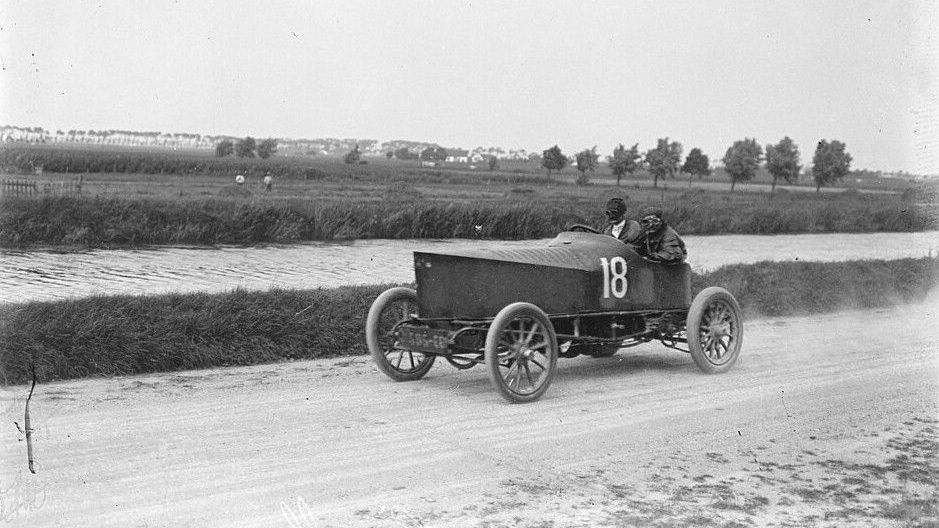
Looking at the list of production car speed records, it’s interesting to see how the performance car has evolved over the decades. Back in the 1950s, the space was dominated by front-engined super-tourers like the Jaguar XK120, Mercedes 300SL and Aston Martin DB4. Then in the early 60s, there was a push for power, with the Iso Grifo and AC Cobra both sporting big American V8s to achieve their top speeds. By the 1970s, the mid-engined supercar was born, with the Lamborghini Miura and it’s mid-mounted 3.9 litre V12 showing the world how it’s done. Notably absent from the list so far, however, is that team of red-clad Italians from the heart of Maranello, but as the 1980s dawned, Ferrari would stake their own claim for glory.
Oddly, this story begins with rallying. In 1984, Ferrari wanted to compete in Group B alongside the likes of Lancia and Audi, and set about modifying their mid-engined sports car – the Magnum-tastic 308 GTB – for the rough stuff. The wheelbase was lengthened, the suspension was beefed up, and the bodywork was re-sculpted, both to house wider tyres and incorporate a new duck-tail spoiler. The most important development, however, came in the engine bay. By rotating the 308’s 2.9 litre V8 ninety degrees, the engineers freed up enough space to fit two IHI turbochargers, a new intercooler and uprated fuel injectors, wildly boosting power from 240 horsepower to around 400 horsepower.
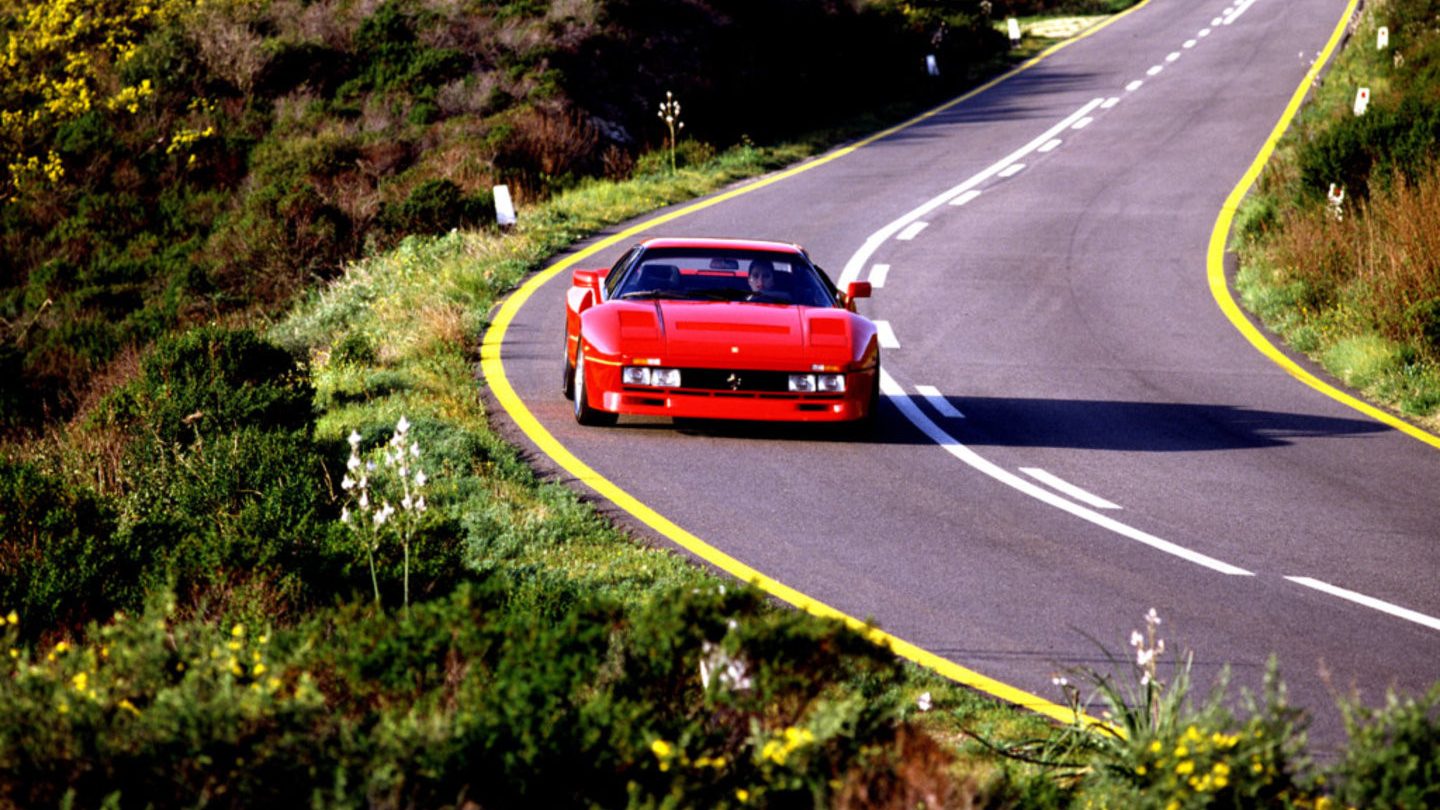
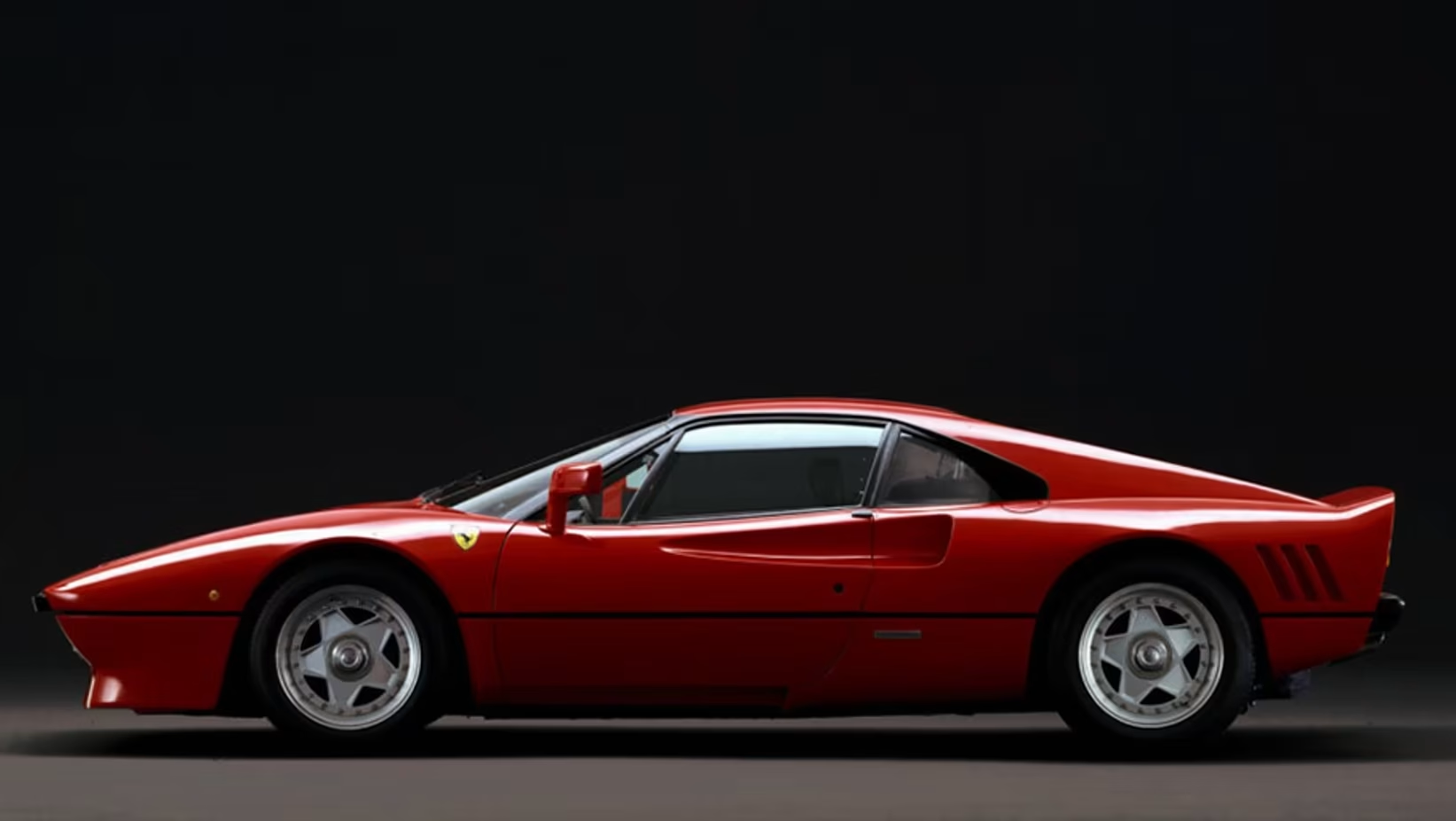
Mid-way through development of the car now known as the 288 GTO (Gran Turismo Omologato – Homologation in Italian), Group B was banned, but Enzo Ferrari decreed that the project would continue, with the finished product launching to wide critical acclaim. People loved its widebody looks, lightweight ethos, supple suspension, and – more than anything else – the ludicrous performance. Capable of 180mph, the GTO could easily outrun Lamborghini’s contemporary Countach, and while it never held the official record (mostly because of some jiggery-pokery from RUF’s turbo-nutter BTR), it firmly put Ferrari back into competition with the upper echelons of performance cars.
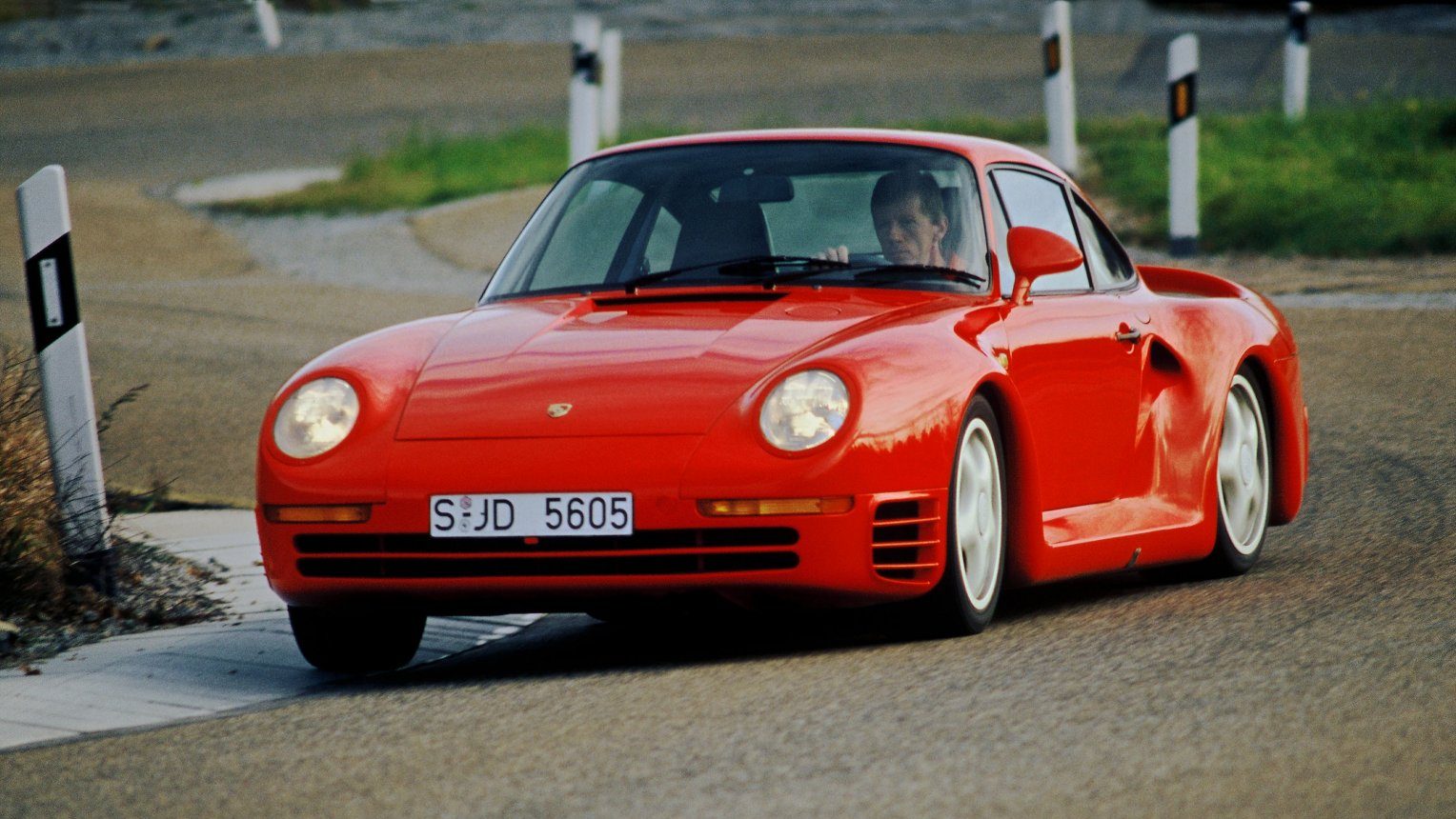
With the GTO garnering praise left and right, it’s no surprise that Porsche were quick to weigh in. You see, they had also built a Group B homologation car in the early 80s, only to can the project after the racing series went belly-up, so Porsche’s chief engineer Helmuth Bott dusted off his pencil case and set to work. Starting with a normal Porsche 911, Bott essentially cut the car in half and threw the rear portion in the bin, replacing the old air-cooled flat-six with the bored-out 2.8 litre, 450 horsepower, twin-turbo flat-six from the Porsche 956 Le Mans car, clothing it in Kevlar composite panels and mating it to a bespoke 6-speed gearbox and a revolutionary four-wheel drive system. PSK (or Porsche-Steuer Kupplung to give it it’s full name) really defined the whole project, using 6 individually controlled clutches within three limited-slip differentials to evenly distribute the power, while still being able to send 80% to the rear wheels under hard acceleration.
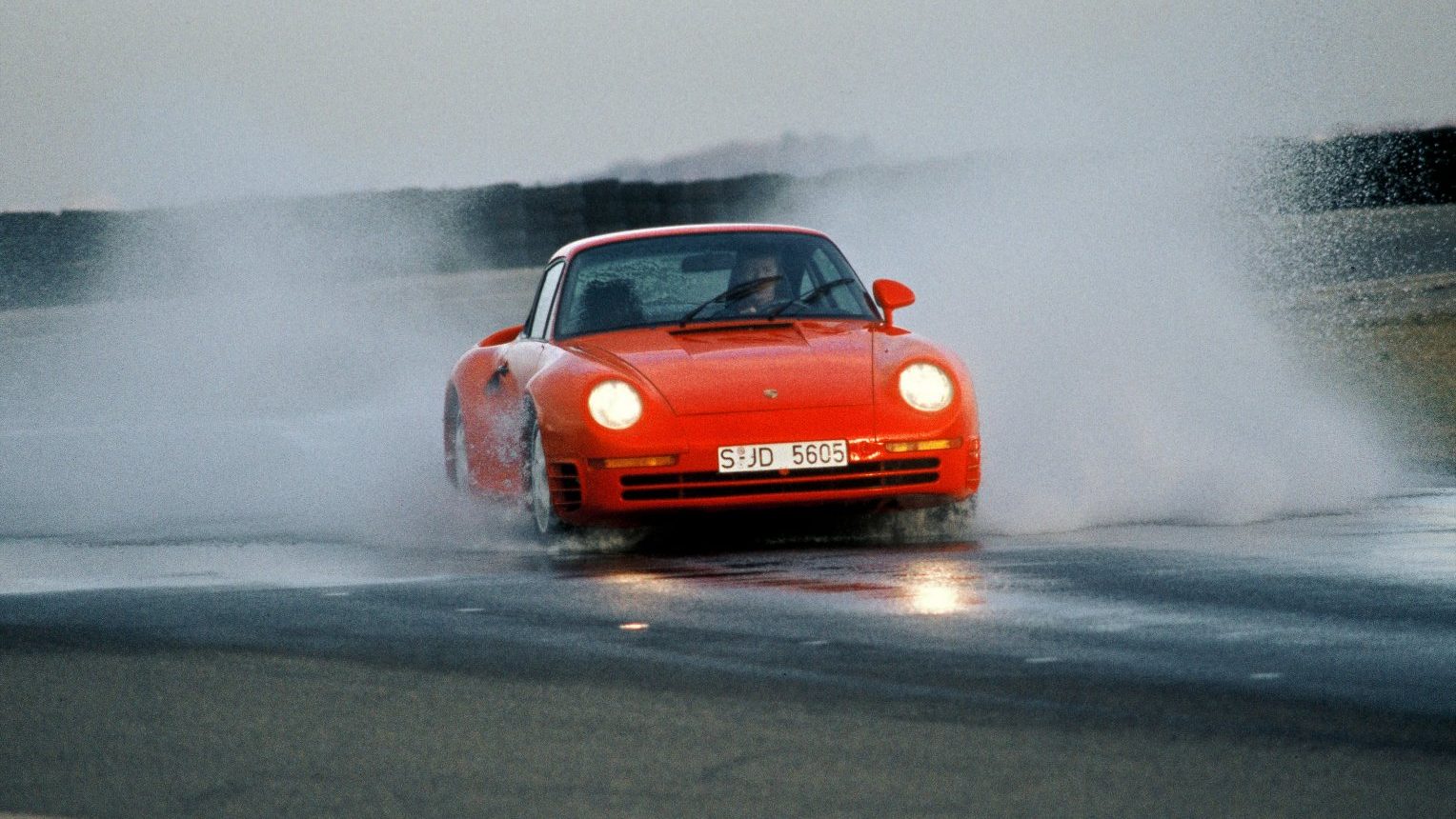
And that really set the tone for the competition ahead. On its release, the Porsche 959 gunned directly for the GTO, but Porsche had a trick up their sleeves. While Ferrari achieved their top speed by making the GTO very powerful and very light, that combination made it incredibly tricky to drive fast, especially in the wet. So, Porsche used the 959’s cutting-edge technology as a USP, marketing it not only as one of the fastest cars you could buy, but also one of the easiest to drive, and one of the best to live with. While the Ferrari made do with a heater, a radio and not much else, the 959 had air-con, electric windows, a tyre pressure monitor, and electronically adjustable dampers that could raise the ride height at low speed. It wasn’t just a track toy; it was supposed to be all the supercar you could ever need. And even with all that technology aboard, the Porsche 959 could hit 198mph. Beat that, Ferrari.
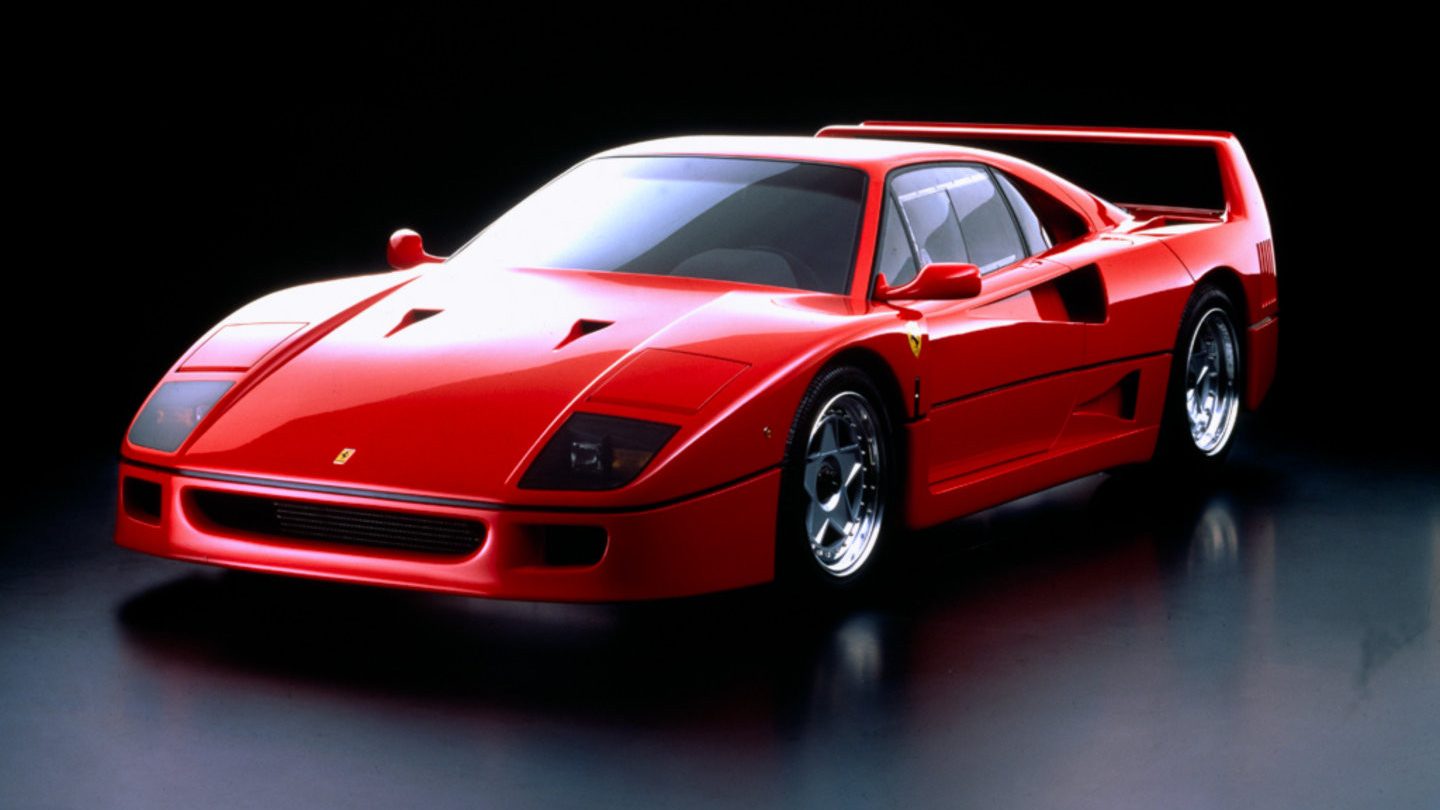
Slightly annoyed by their technological drubbing, Ferrari began preparing their Coup de grâce; the Ferrari F40. Starting with the engine from the GTO, they bored out the block and raised the rev limit, boosting power even further to over 470 horsepower (although it’s widely believed that most F40s delivered to the press pushed out closer to 500 horsepower). Rather than caving to meet Porsche’s usability, Ferrari went in the opposite direction, focussing on making the F40 as light and extreme as possible, with Giovanni Perfetti from Ferrari’s marketing team telling Autocar in 1988;
“We wanted it to be very fast, sporting in the extreme and Spartan […] The F40 is for the most enthusiastic of our owners who want nothing but sheer performance. It isn’t a laboratory for the future, as the 959 is. It is not Star Wars.”
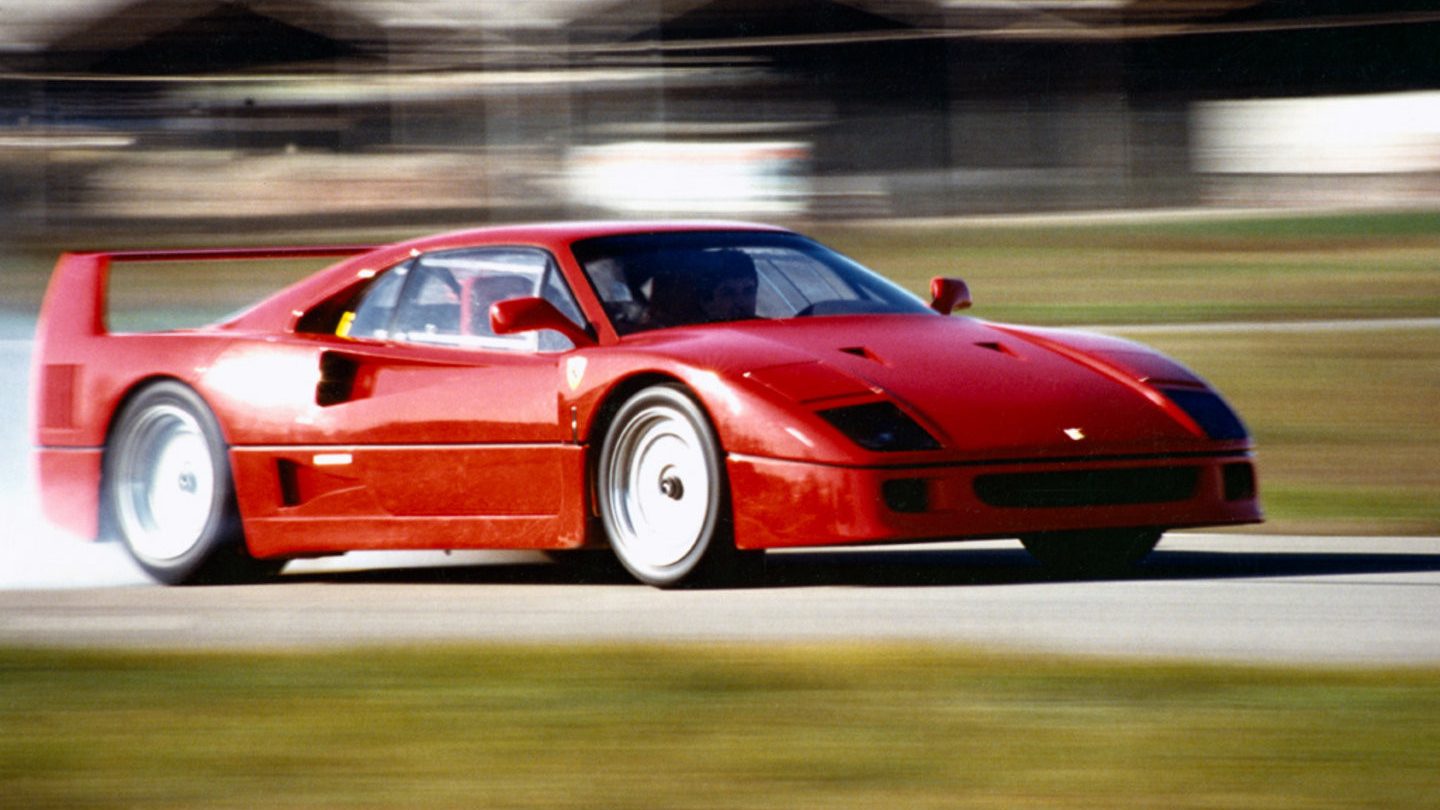
And spartan it was. The 288’s wedgy bodywork was stripped away and replaced with a mix of carbon fibre, Kevlar, aluminium and Perspex, with cabins devoid of even basic creature comforts like radios, glove boxes or carpets. You didn’t even get door handles, with passengers having to exit the vehicle by yanking on a bit of loose cable. With all this extra power and absence of weight, a bespoke tyre was needed to make the F40 somewhat drivable, so Ferrari commissioned Pirelli to design some cutting-edge rubber. The result was the Pirelli P-Zero, a tyre that is still produced in one form or another today.
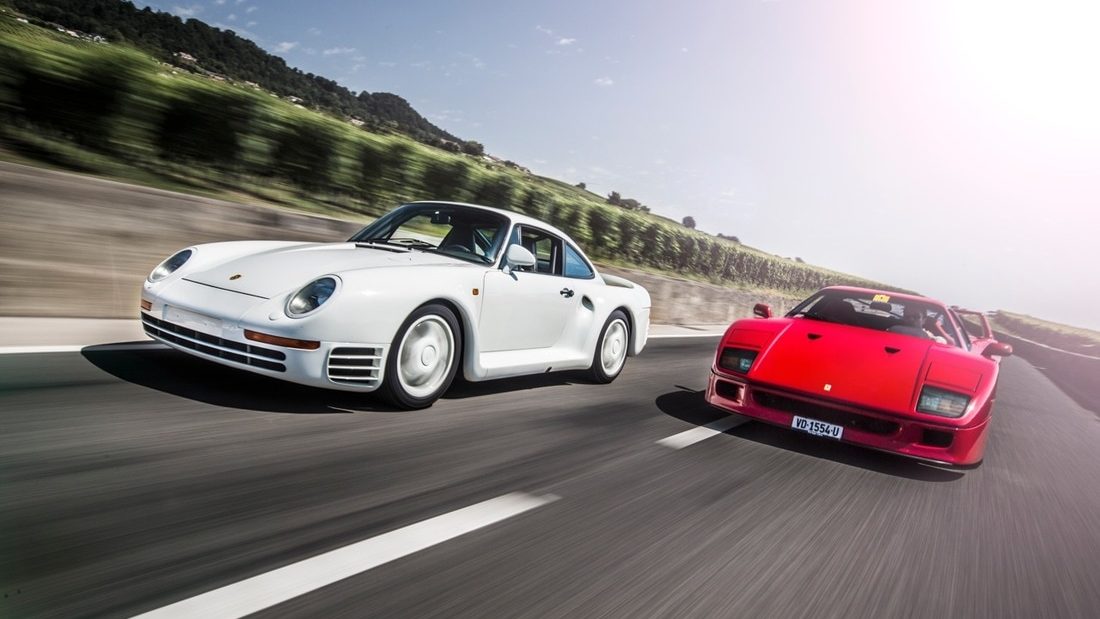
The combination of crash-diet and steroids certainly had the desired effect on the F40, with the motoring press of the time stunned by how raw and intense the car was to drive, and how entirely unwilling it was to compromise for the everyday driver, with EVO’s John Barker noting that: “By comparison [to the Porsche 959] the F40 looked like a hastily tidied-up race car”. The performance, however, was immediately evident, with the F40’s massive dollops of power and torque only having to move around 1200kg, compared to the 959’s 1450kg, and with even less power in reserve, the Porsche simply struggled to compete on track, with the Stuttgart giant taking a leaf out of Ferrari’s book and releasing a stripped-out “Sport” version of the 959 to try and claw back some points, but by then it was too late. The Ferrari F40 had cemented itself as one of the greatest (or arguably THE greatest) supercars of all time.
And the top speed? 201 miles per hour.


Leave a Reply