Motorsport tends to be quite clinical. These days it’s all wind tunnels, balance of performance and tyre strategies, so it’s nice to know that – out there in the wilderness – there’s still a bunch of lunatics willing to risk it all in the pursuit of speed and adrenaline.
Starting in the early 1900s with Regularity and Trials events, rallying was originally seen as a way for manufacturers to prove to the general public how tough and reliable these newfangled automobiles could be, throwing them at the landscape or running them against the clock to demonstrate both their speed, and their ability to deal with rough, often unpaved roads. Modern rallying as we know it today, started in 1970 with the founding of the International Championship for Manufacturers (IMC), which rebranded to World Rally Championship (WRC) in 1973, with teams of manufacturers taking part in timed stages around the globe to see who ruled the roost.
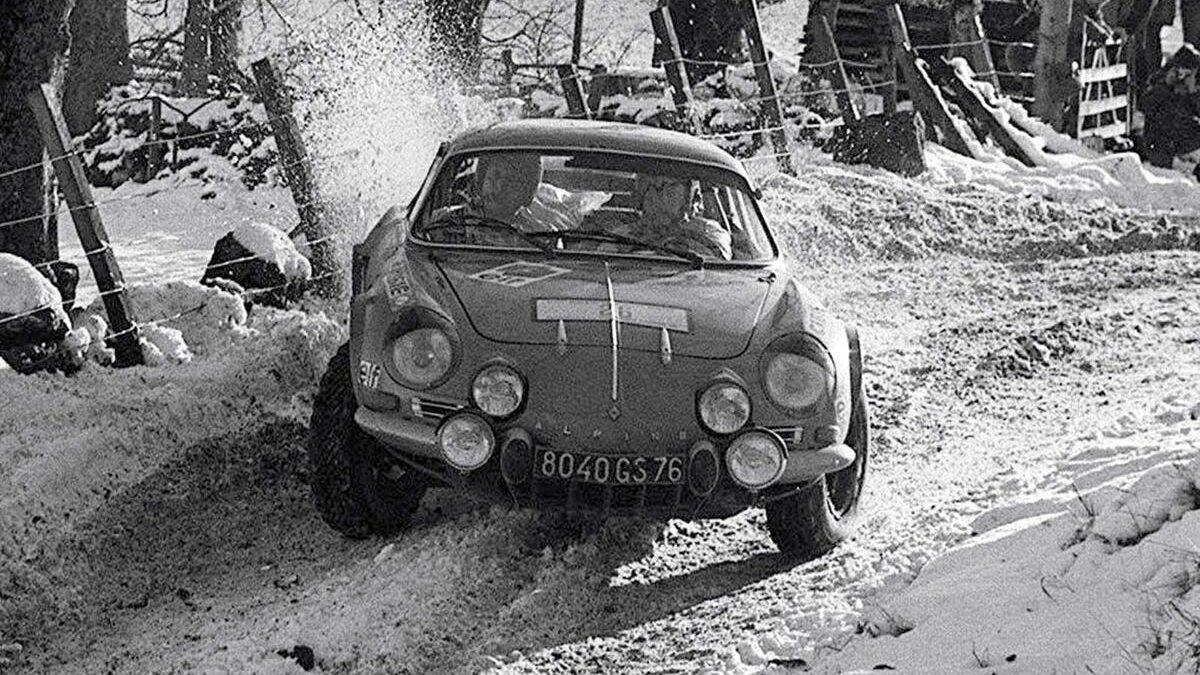
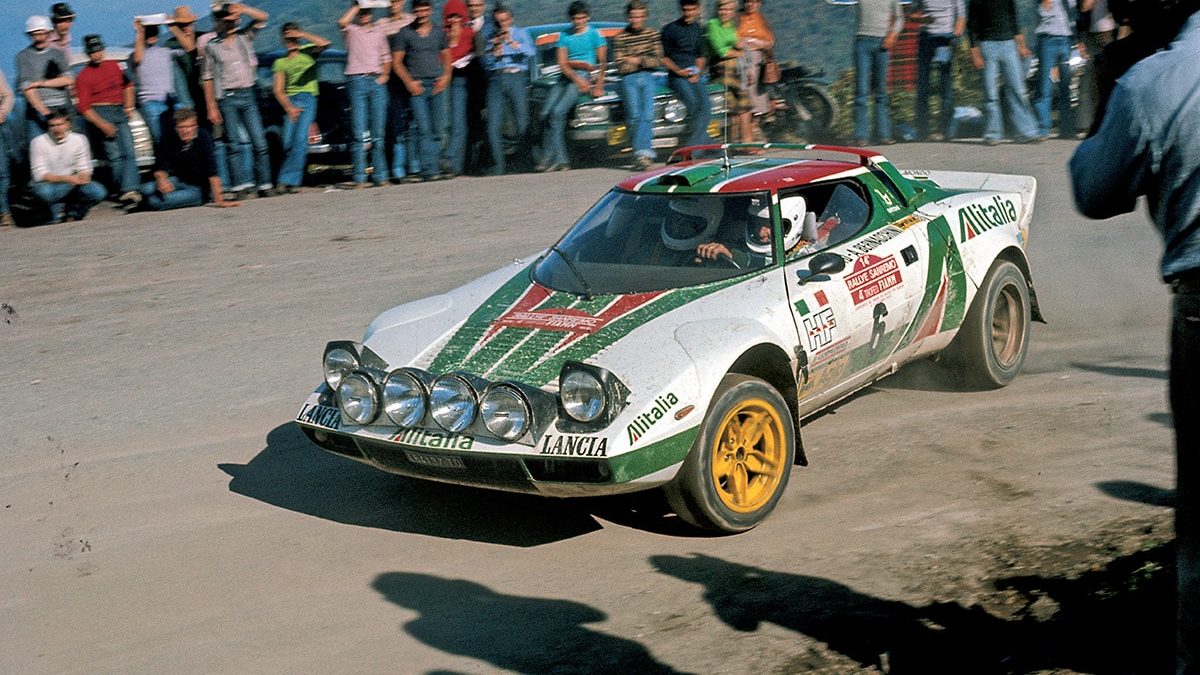
The first batch of rally cars were all harking back to the origins of the sport, as beefed-up versions of otherwise normal road cars, with the early days being home to Porsche 911s, Mk1 Ford Escorts, Datsun 240Zs and the utterly dominant Alpine A110, but that all changed with Lancia’s arrival. For the 1974 season, Lancia showed up to the WRC with their beautiful wedge-shaped Stratos, but this was no delicate supercar, the Stratos was designed with a super-short wheelbase, long-travel suspension and a mid-mounted Ferrari V6. In short, it was designed specifically for rally victories, wiping the floor with the competition for three consecutive years.
By the 1980s, all the manufacturers had adopted this strategy – now called ‘Group B’ – designing purpose-built rally cars and then selling barely disguised road versions to punters to meet ever stricter homologation requirements which said that all competitors had to be based on pre-existing road cars. The biggest change, however, arrived in 1982, when Audi rocked up to that year’s Monte Carlo rally with a boxy coupe called Quattro; the first rally car to be fitted with four-wheel drive. The Quattro walked to victory that year, with Hannu Mikkola, Michèle Mouton and Stig Blomqvist easily out-gripping their rear-wheel drive competition, but Lancia were not going to concede victory lying down.
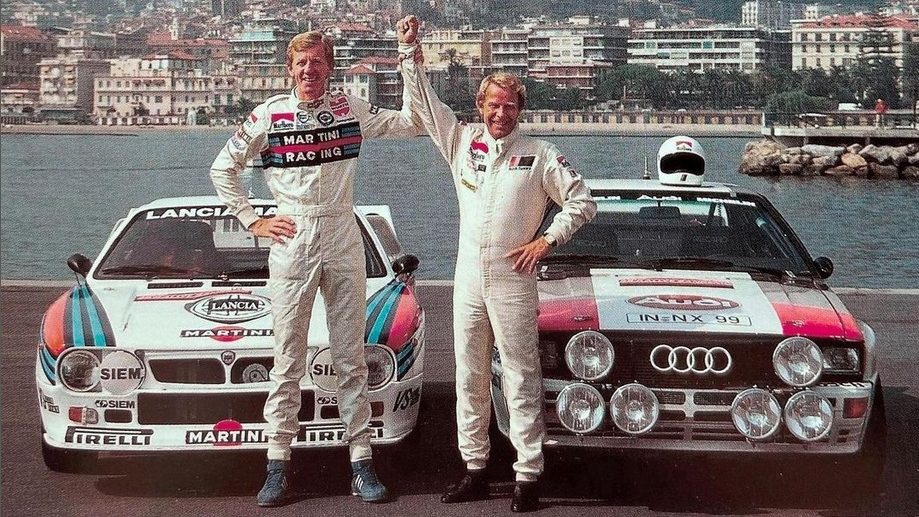
For 1983, while Audi were flexing their German engineering muscles, Lancia were busy using a bit of Italian ingenuity, using every trick in the book to… erm… interpret the rules to their advantage. First, they hired Walter Röhrl – two-time WRC champion and indisputably one of the greatest rally drivers of all time – to drive their new car; the 037, a mid-engined, 280 horsepower, Kevlar-bodied successor to the Stratos. Then they fitted the cars with lightweight look-alike roll cages, meeting regulations while retaining a weight advantage, and then they began to stack the deck in their favour. For the first stage on the Monte Carol rally, Lancia’s team salted the stages, melting all the ice and curtailing Audi’s grip advantage. In snowy Sweden, they didn’t bother participating at all, knowing that the low-grip conditions would only lead to damaged cars, but when the circus moved to Corsica, Lancia arrived in force, with four competing cars – rather than the usual two or three – making the most of the dry tarmac stages and locking Audi out of the podium.
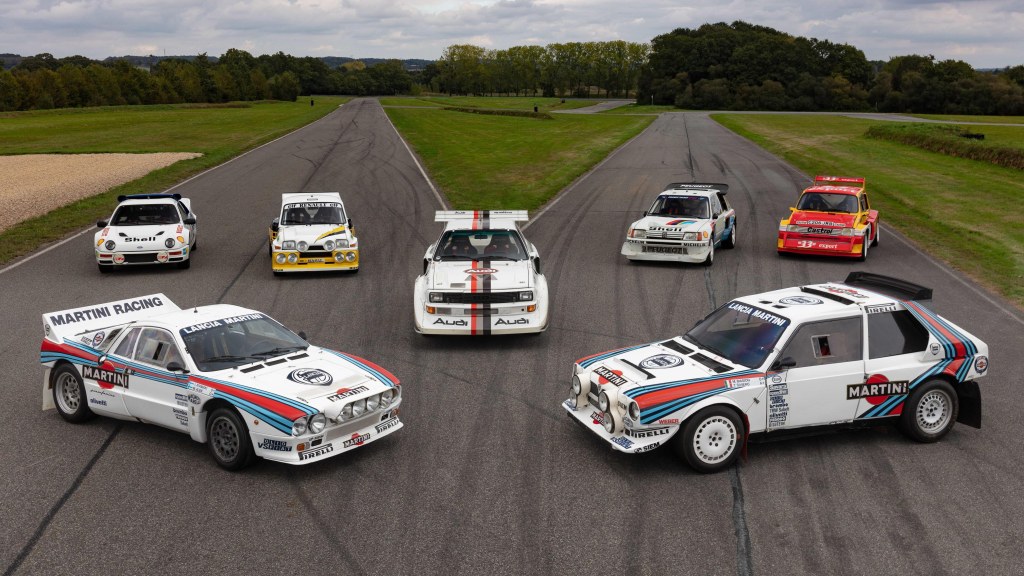
As the Group B era drew on, teams were coming to competitions with faster and more insane cars than ever before. Lancia embraced Four-wheel drive with the supercharged and turbocharged Delta S4, Audi shortened the Quattro’s wheelbase and gave it it’s iconic ‘S1’ aero kit, Ford drafted in F1 knowhow for the mid-engined RS200, even British Leyland threw their hat into the ring with the V6 hyper-hatchback Metro 6R4. Things all came to a head in 1986 when, during a stage of Rally De Portugal, one of the Ford RS200s left the stage and killed three spectators, injuring thirty more. Two further deaths occurred the same year when one of the Lancia Delta S4s – piloted by Henri Toivonen and his co-driver Sergio Cresto – crashed during the Corsica rally. The car landed on its roof, rupturing the car’s fuel tank, and both men were killed in the blaze. In the immediate aftermath, the FIA saw fit to ban Group B cars from competing the following year.
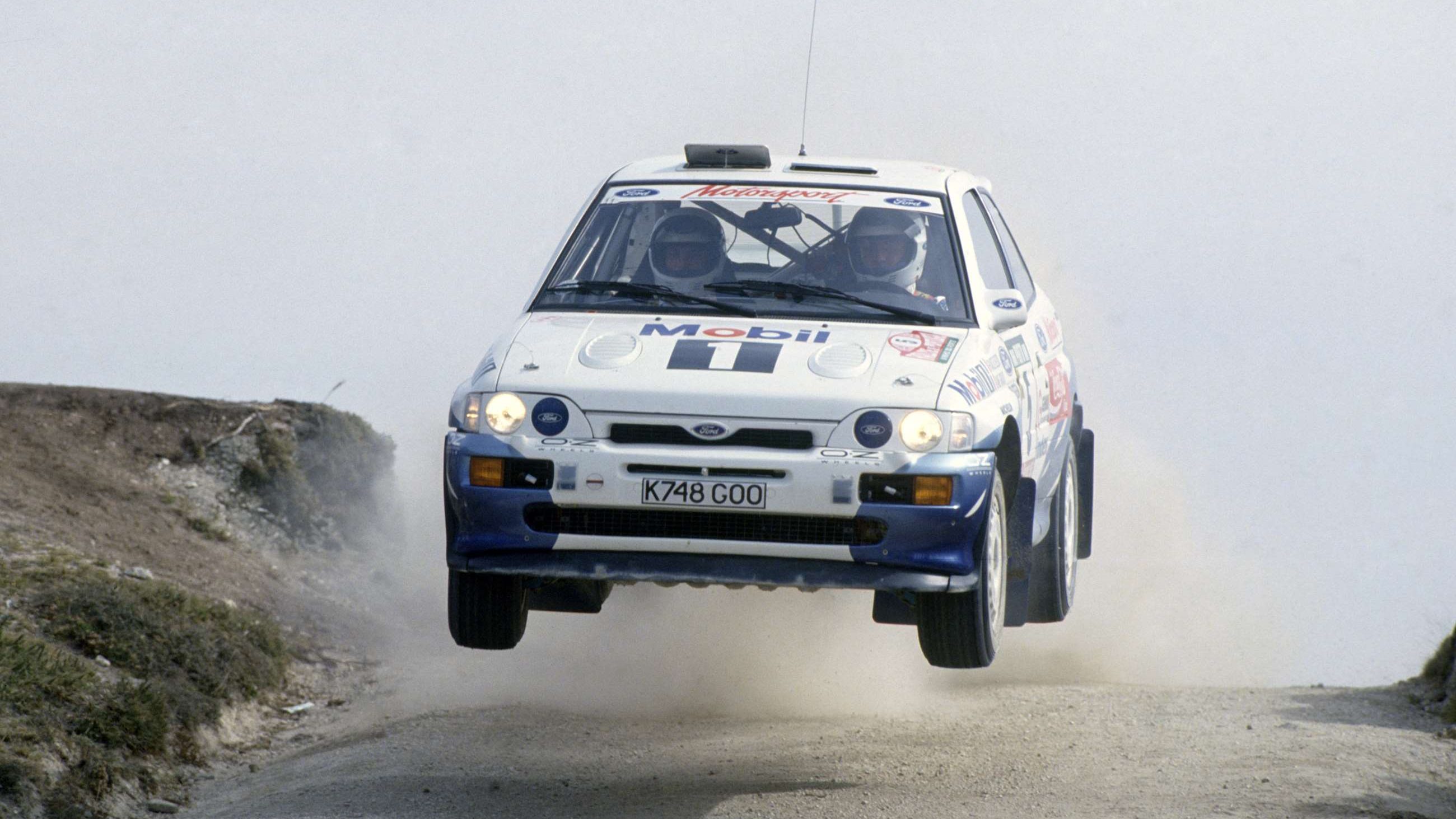
In an attempt to slow the competitors down and prevent further deaths, Group A was bought in, with competitors now being tied-in much closer to their road-going counterparts as modifications were now much more limited. Tyres and suspension could be selected at the beginning of each rally to suit the conditions, engine capacity was limited to 2.0 litres and – aside from the fitment of a roll cage – no major changes could be made to the donor car’s body-in-white. These regulations gave rise to a new era of rally cars, with road racers like the Lancia Delta Integrale and Ford Escort RS Cosworth earning acclaim on and off the rally stage, but it was the 1990s and the arrival of the Japanese manufacturers on the scene that really defines this era, with the Toyota Celica, Mitsubishi Lancer Evo and Subaru Impreza WRX all vying for championship victory.
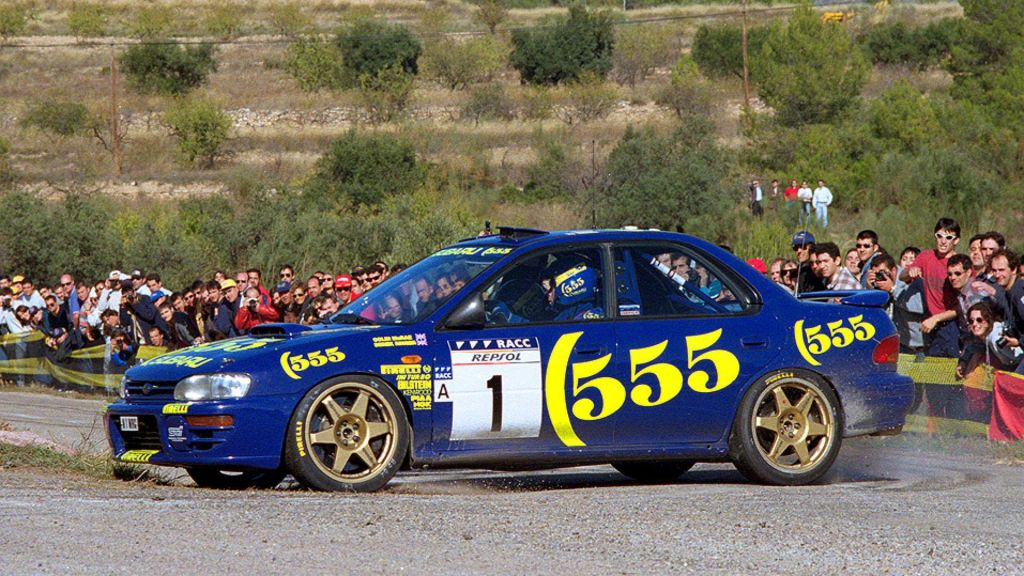
From 1997 onward, the formula was tweaked slightly and renamed WRC (that’s World Rally Cars, not to be confused with WRC World Rally Championship), releasing manufacturers from having to homologate their cars, allowing them to tailor-make rally cars out of otherwise ordinary road cars. for example: the Citroën Xsara which featured neither four-wheel drive, nor a turbocharged petrol engine, was allowed to be fitted with both, securing three championship titles in the process.
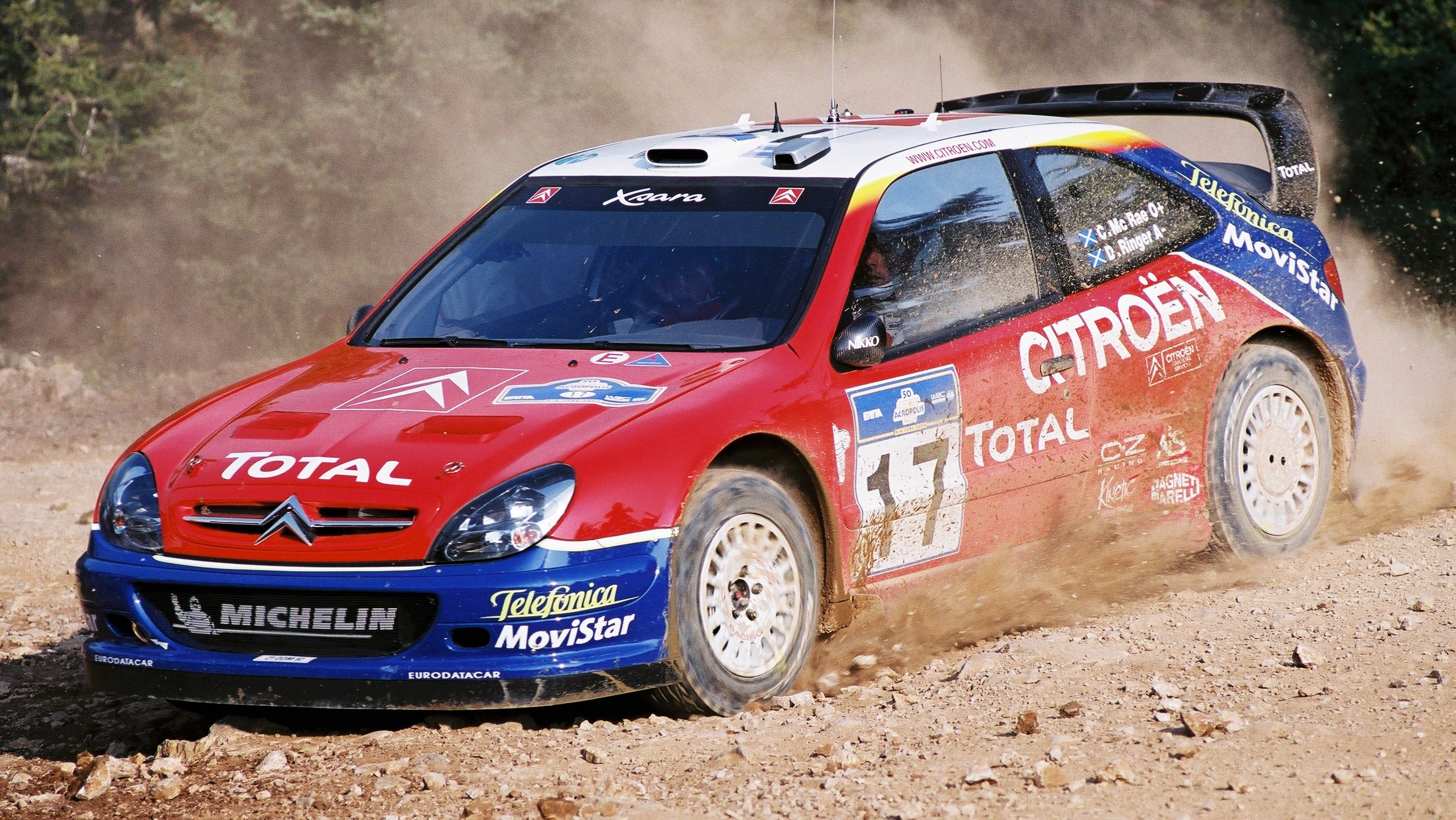
I’m going to get a bit subjective now, as this is really my preferred era of rallying. Don’t get me wrong, I love watching mad Group B stuff as much as the next man, but watching those blue-and-gold Scoobys face off against red-and-white Evos, with names like Tommi Mäkinen, Petter Solberg, François Delecour, Richard Burns, Sébastiens Loeb and Ogier, Carlos Sainz (not that one, Sainz Sr) and my idol Colin McRae all fighting for the top spot really holds a place in my heart. I grew up playing Colin McRae Rally, lusting after an Impreza WRX and pretending to know what 555 was. When I got my first car – a 2003 Fiesta – I used to throw it down country lanes pretending I was Mark Higgins on a stage of the Network Q, and when I crashed that one and replaced it with a second 2003 Fiesta, I wanted nothing more than to strip the interior and fit it with white OZ wheels, Recaro Pole Positions and a bonnet-full of Cibie spotlights. I never did it because I was on apprentice wages, but it would have been spectacular… ly crap… Right, back to it.
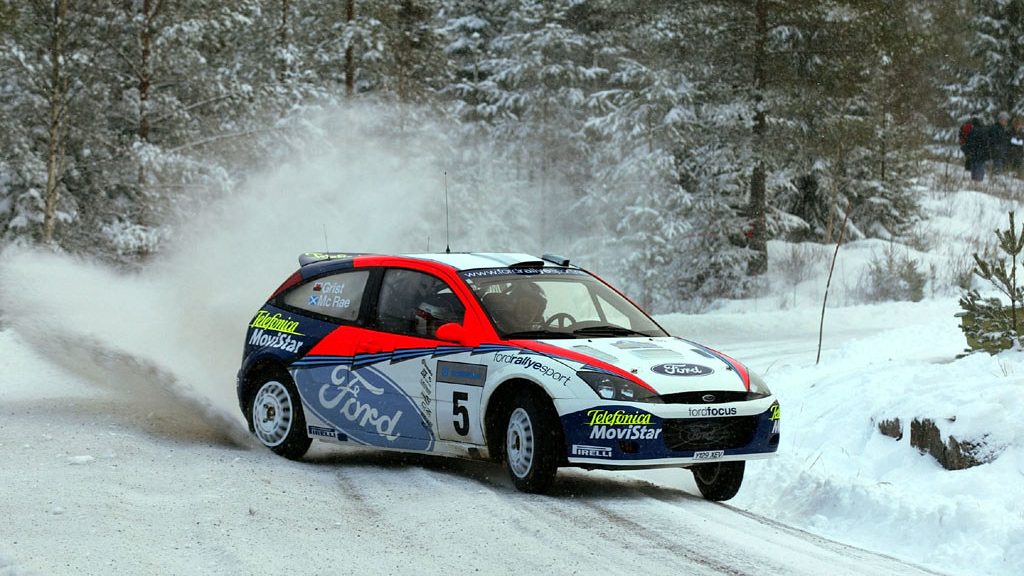
The modern era of rally regulations – now known as Rally1 – are aimed at preserving the sport for future generations, with hybrid powertrains and synthetic fuels looking to future-proof the competition for years to come, and as a side effect, making the cars faster than ever before. While the press coverage of rallying has certainly been scaled back from it’s Group B/Group A heyday, I still feel as though this sport holds an important spot in the motoring world, not just as a marketing tool – as the old adage goes, “win on Sunday, sell on Monday” – but as a gateway for getting young people interested in cars. Part of the reason why I loved rallying was because the cars were all attainable; Ford Focuses, Peugeots and Skodas. If we can prove to today’s generation that the current crop of dull crossover SUVs and hatchbacks can be capable of something as cool as rallying, then perhaps we can foster the next generation of petrolhead.


Leave a Reply