If you read last week’s column (and of course, why wouldn’t you?) you’ll now be intimately familiar with the greatest road racers of the early 00’s, but what if I told you that there was another car, equally focussed, equally fast, but released just a little bit too late to be counted among the Ferrari, the Porsche and the holy McMerc?
Well, you’d probably believe me, because why would I bother lying about it?
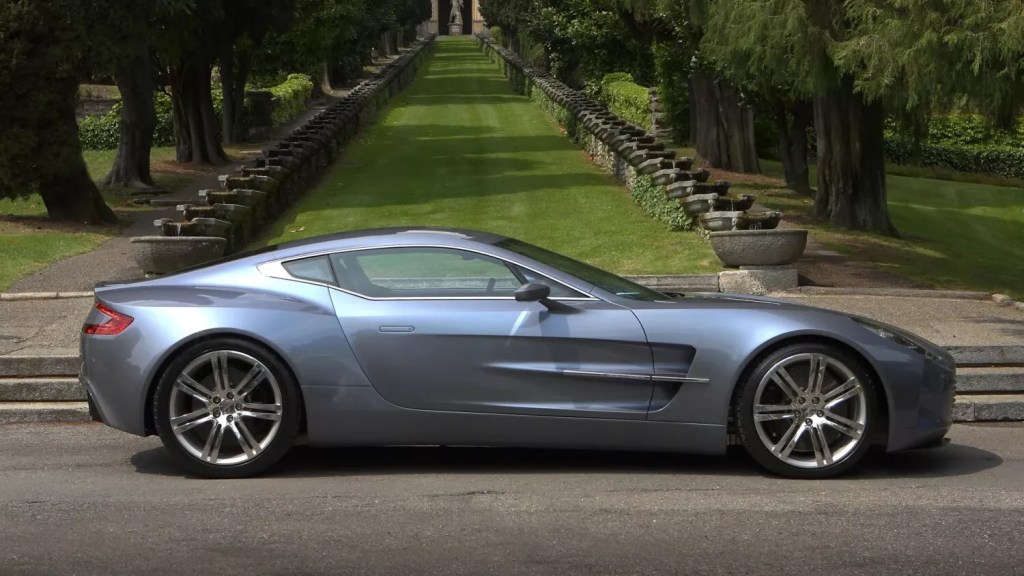
Gaydon, Warwickshire, 2008. Spiritual home of the British motor industry and actual home of Aston Martin (as well as my part-time place of employment). Then-chairman David Richards had just signed off on a new project. Richards is no stranger to mad motors, given he was the man responsible for founding Prodrive, builders of every racing car that mattered over the last twenty years, so Aston’s latest venture should’ve been a walk in the park. What the company were after was a flagship. A halo car to sit at the top of the metaphorical Aston Martin tree, above the Vantage and DB9, even above the Bond-approved DBS. Needless to say that, to top that lot, the car needed to be incredibly special.
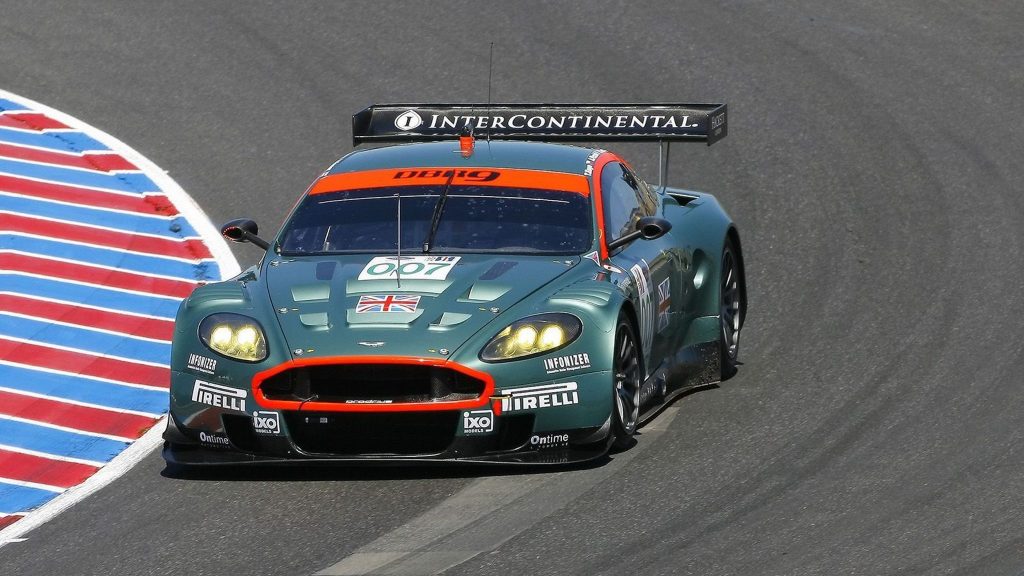
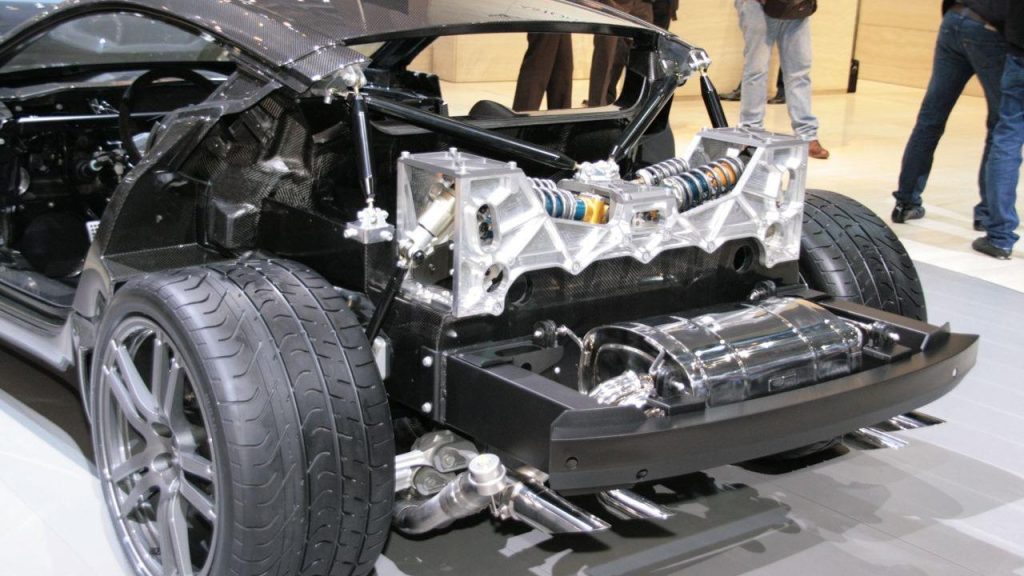
Naturally, Aston’s engineers start from the ground up. All of their range at this point is built on the bonded aluminium “VH” platform, allowing for a relatively lightweight chassis with the suitable amount of stiffness, but this simply will not do for a flagship that needs to go toe-to-toe with the likes of Ferrari and Pagani, so Aston Martin take a leaf out of their opponent’s books. Commissioning a bespoke carbon-fibre chassis from Canadian suspension gurus Multimatic, the team assemble a full motorsport-spec inboard pushrod suspension system, allowing for full adjustability of the ride and handling, while keeping all of the heavy springs and dampers in a nice, neat package in the middle of the car, closer to the centre of gravity. In classic Aston Martin fashion, the designers decide that the car should be front-engined, echoing the silhouettes of Aston’s other great road cars, and so the engine mounting points are pushed as far back as logistically possible, even hollowing out the front carbon-fibre sections of the chassis to create an in-built air intake, to create a front-mid-engined layout.
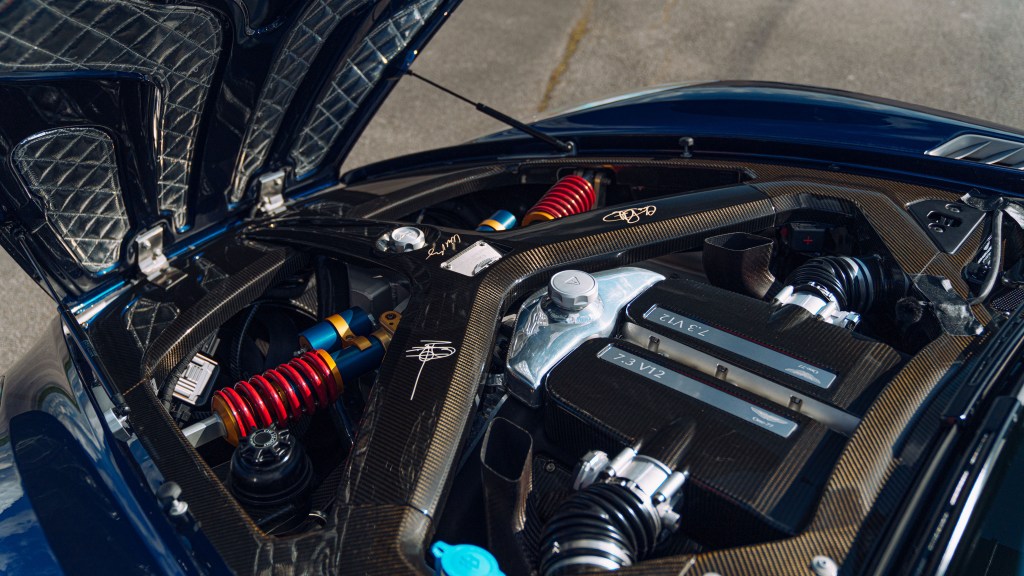
With a chassis like that, no ordinary engine would do, so Aston Martin pulled another favour out of their back pocket and got on the phone to British tuning legends Cosworth. Happy to oblige, the Northampton-based engine nutters set about one of Aston’s own 6.0 litre V12s (as found in the DB9 and DBS) and created an utter monster. By the time they were done, the V12 had mutated into a 7.3 litre, dual-overhead-cam, quad-valved behemoth, revving to 7500rpm and producing an incredible 760 horsepower, making it the most powerful naturally aspirated road car engine in the world at the time, and good for a top speed of 220mph. With the new power unit crowbarred into the svelte chassis, the only thing left to do was to let the art department run wild.
Instead of a protruding eyesore of an exhaust, the designers incorporated the tailpipes into the car’s rear diffuser, not only hiding them away but using the hot air they produce to generate extra downforce. From above, it was decided that the car should taper in at the middle, giving it the automotive equivalent of an hourglass figure, with wide haunches at the rear and flared front wheelarches. The front grille was flanked by the two fang-like air intakes, giving the car a subtle aggression and the rear spoiler was made to be retractable, so as not to spoil the car’s lines. With the bodywork crafted, the finishing touch came with the name. Only seventy-seven cars would be built, and each one was entirely unique. Thus: Aston Martin One-77.
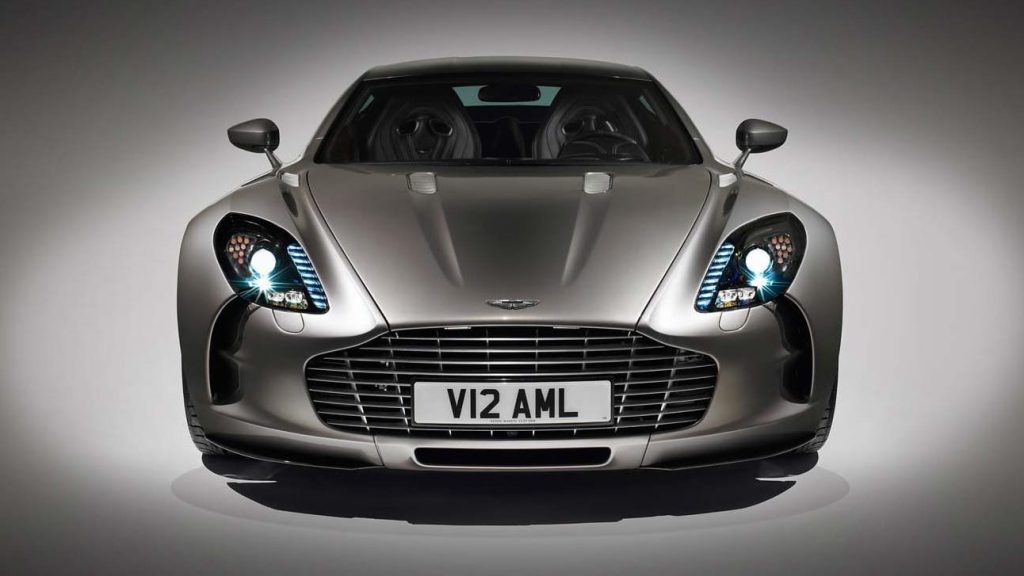
All of the ingredients were in place. A razor-sharp chassis, a stonking great engine, a beautiful shape, they’d even managed to sell all seventy-seven allocations at a recession-ignoring one million pounds each, so why didn’t every man and his dog know what a One-77 was? Well, that boiled down to three reasons. Firstly, the car launched around 2010, just in time for the Bugatti Veyron Supersport to come along and well and truly win the whole “Supercar Top Trumps” game. Second, Aston decided not to send One-77s out to the press for review, thinking it would give the car an enigmatic air of mystery when all it did in reality was make sure nobody except car nerd die-hards had ever heard of it. And third? Well, it looked like an Aston Martin. In no way is that a bad thing – I mean, just LOOK at it for goodness sake – but people saw the shared silhouette and thought “oh, this must be some kind of grand tourer. Like a DBS but a bit faster.” When that couldn’t be further from the truth. The One-77 was wasted pootling around Knightsbridge. The gearbox was built to crack through shifts down the Hangar straight at Silverstone, and the clever suspension was made for soaking up kerbs at Spa-Francorchamps, so the whole thing felt too raw and hardcore for the loping GT crowd, and that’s before you got to the fact that the springs and dampers were where the boot should be, so you couldn’t actually get any luggage in it.
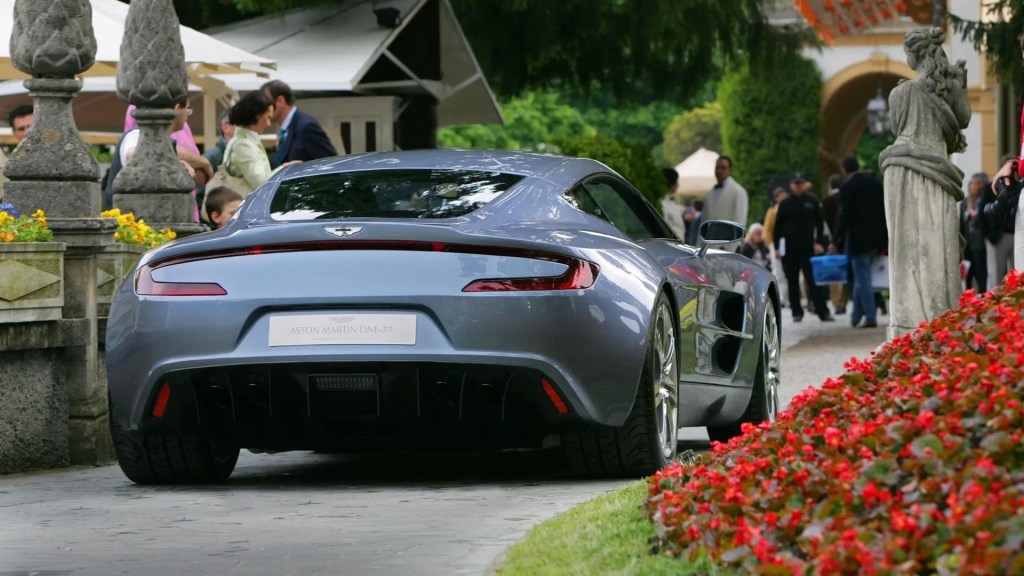
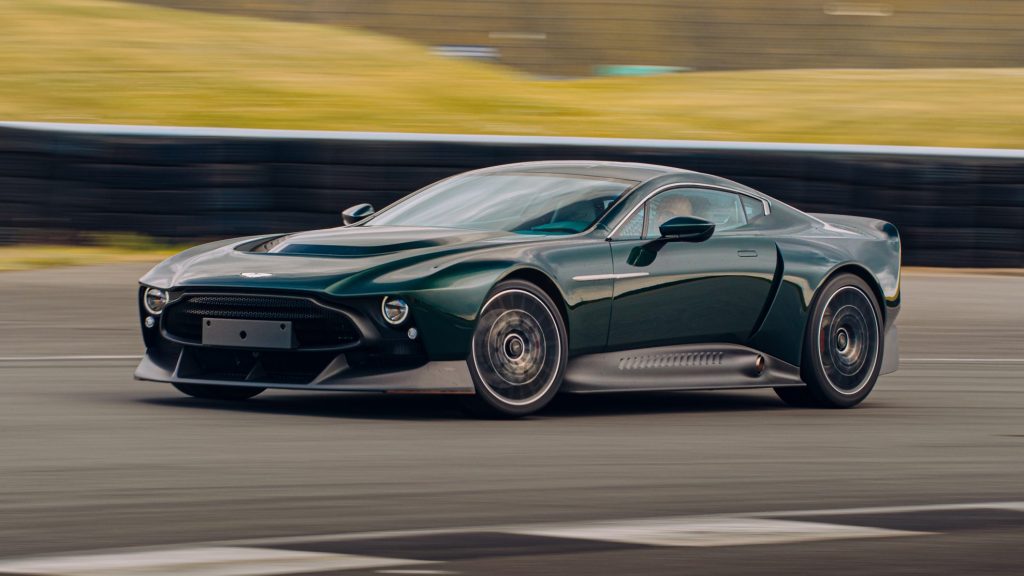
All in all, the One-77 was massively misunderstood at launch, with people more likely to compare it to Bentley’s latest Continental GT than to the Zondas and Carrera GTs it was aiming for, but recently, opinions have begun to change and you might not have even noticed. In 2015, Aston Martin unveiled the Vulcan. A stripped-out track-only racer with the heart and chassis borrowed from the old One-77. The engine was prodded and massaged up to 831 horsepower and the enormous rear wing kept the entire ensemble superglued to the tarmac, instantly creating one of the most desirable cars that any Euromillions winner could ask for, even creating the one-off, coach-built, road-legal, manual-gearbox offspring; the Aston Martin Victor (as in Victory, not Frankenstein) in 2020.
And I still can’t afford any of them.

 Project Petrolhead
Leave a reply to Simon Cancel reply