We’ve been told for years now that large-capacity 12-cylinder engines are not long for this world. Deemed unnecessary by the rise of forced induction and judged as wasteful by the eco-conscious world at large, the Big V12, that supercar staple, is collecting its coat and heading for the door.
Or is it?
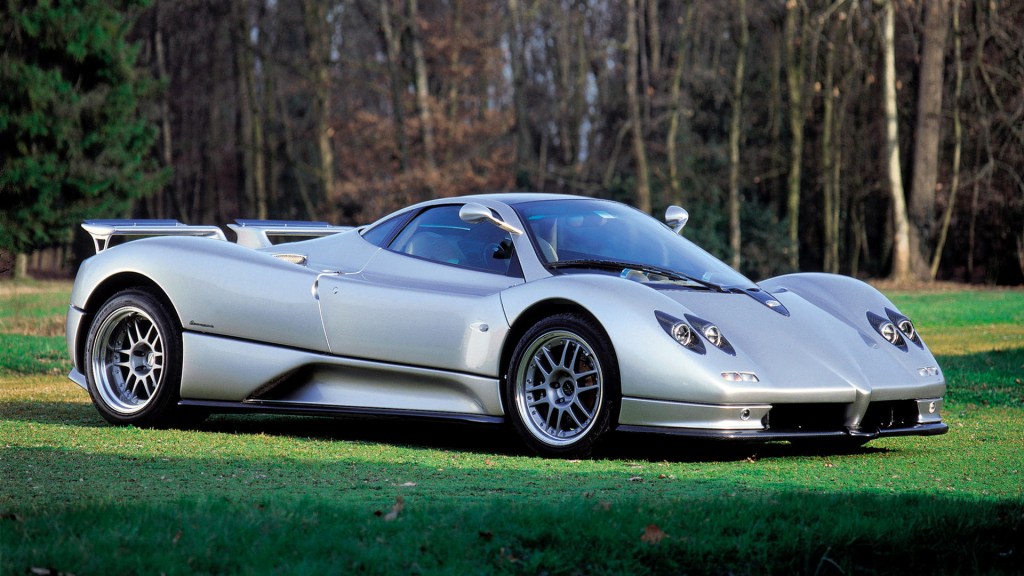
Let’s start with a quick blast down memory lane to remind ourselves how things used to be, way back in the distant past… of the early 00s. Gordon Murray had not long finished his magnum opus: the 3-seat, mid-engine V12 McLaren F1, Pagani were building a bespoke, driver-focused hypercar with an AMG-sourced V12 called the Zonda, and three manufacturers were building V12 exotica aimed straight at bedroom wall posters everywhere.
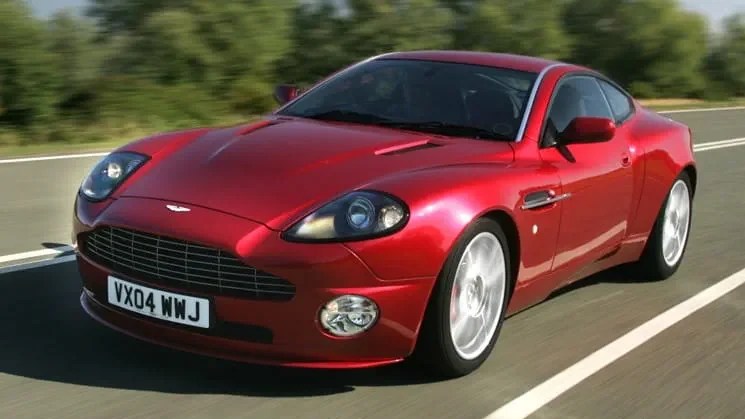
First, Aston Martin unveiled James Bond’s latest wheels. The V12 Vanquish was a gorgeous, Ian Callum-penned super-GT, with more of a focus on sporting ability than the contemporary DB9, with it’s 5.9 litre V12 throwing out 520bhp in “Vanquish S” guise.
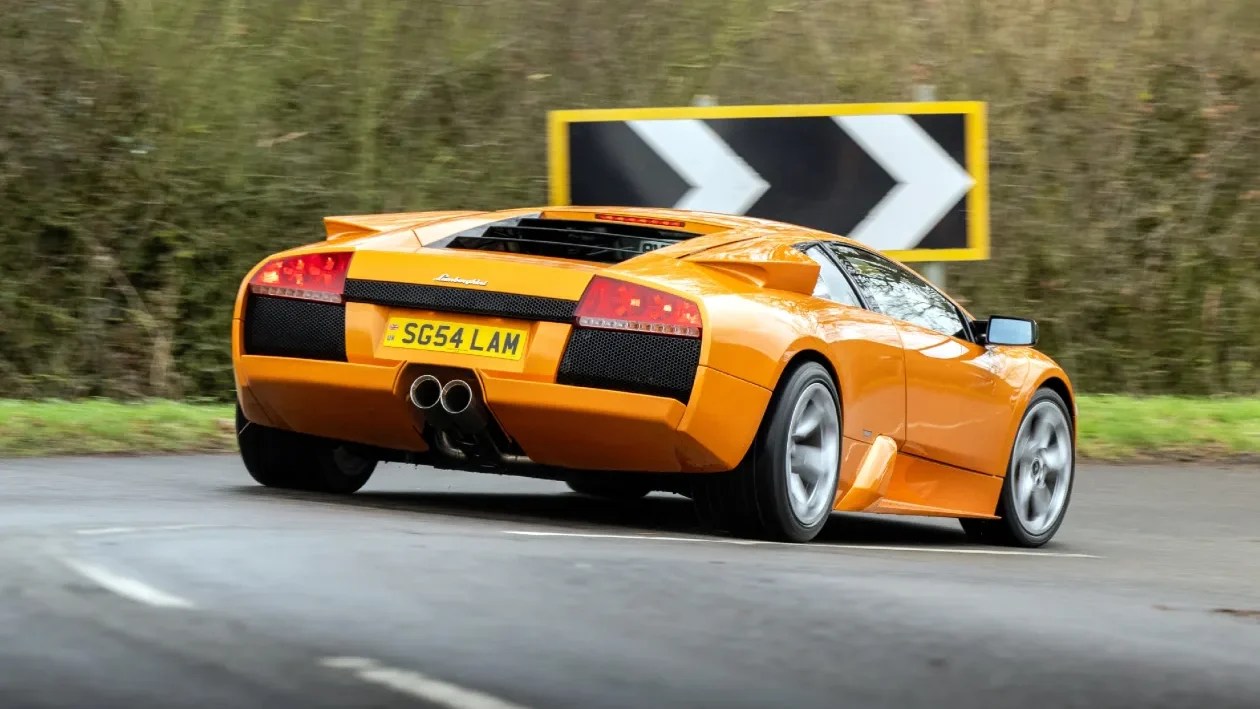
Next up, Lamborghini added to their long history of V12 exotica with the long-awaited Murcielago, with its screaming naturally-aspirated V12, four-wheel-drive usability and instantly iconic wedge silhouette. Available in 6.2 and 6.5 litre guise with up to 670bhp, the Murcielago always teetered on the edge of becoming a full-blown hypercar.
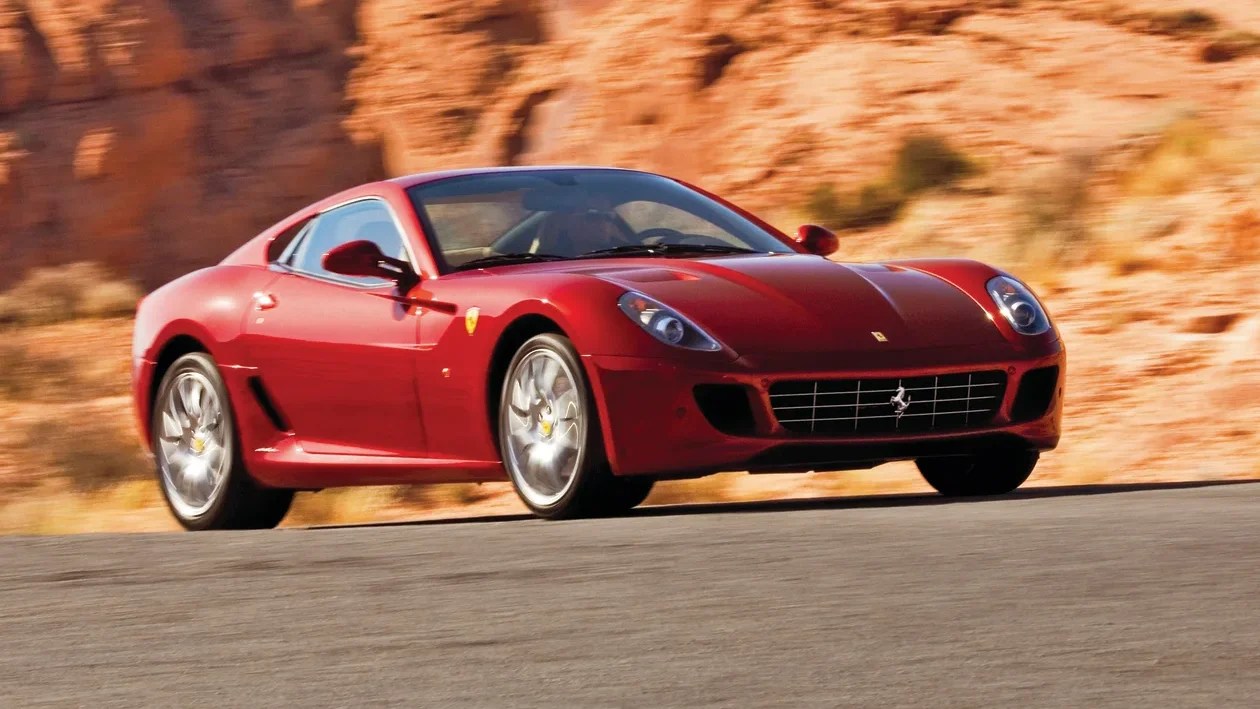
Finally, Ferrari did the impossible. It took the engine from the flagship Enzo and slotted it in the front of a grand tourer, creating the mad 599 GTB. Tight, taught and aggressive, the 599 GTB was a true racing-derived thoroughbred, with it’s 620bhp sending it beyond the 200mph barrier.
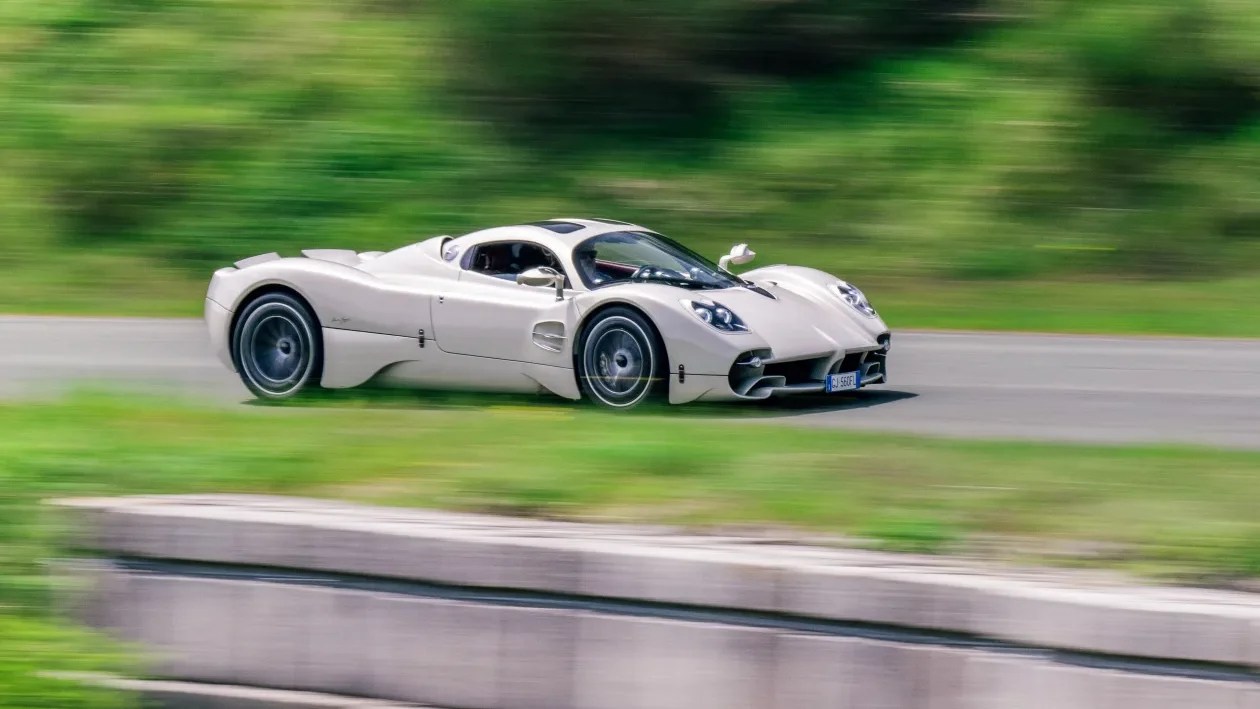
Fast forward to today, and things are very different indeed. Gordon Murray has not long finished his magnum opus: the 3-seat, mid-engine V12 GMA T.50, Pagani are building a bespoke, driver-focused hypercar with an AMG-sourced V12 called the Utopia, and three manufacturers are building V12 exotica aimed straight at bedroom wall posters everywhere.
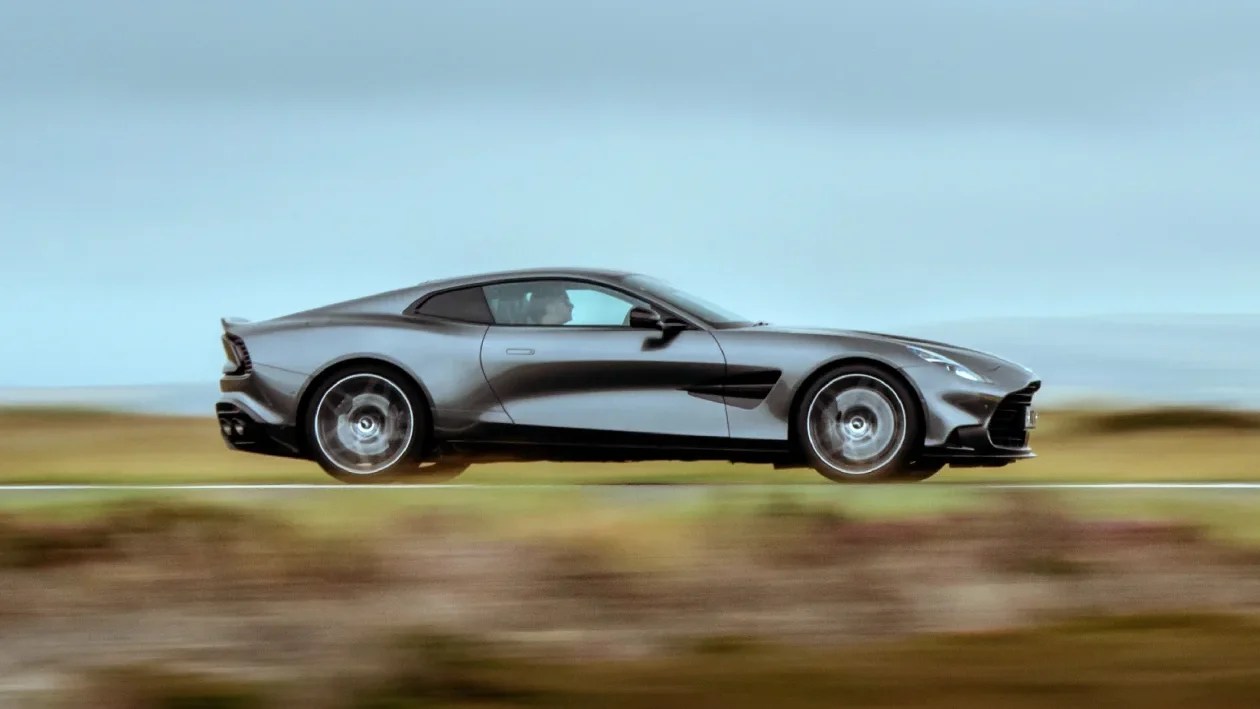
First, Aston Martin unveiled a car that will inevitably end up in a Bond movie at some point. The V12 Vanquish is a gorgeous, Marek Reichman-penned super-GT, with more of a focus on sporting ability than the contemporary DB12, with its 5.2 litre twin-turbo V12 throwing out a whopping 835bhp.

Next up, Lamborghini added to their long history of V12 exotica with the long-awaited Revuelto, with its screaming hybrid V12, four-wheel-drive usability and instantly iconic wedge silhouette. Kicking out 1001bhp, the Revuelto stops teetering on the edge of becoming a full-blown hypercar, and just bloody well gets on with it.

Finally, Ferrari did their usual magic trick. Taking the engine from the flagship Daytona SP3 (itself a descendant of the might LaFerrari) and slotted it in the front of a grand tourer, creating the mad 12 Cilindri (or Dodici Cilindri as Ferrari would rather you call it). Less tight, taught and aggressive than its forebears, the 12 Cilindri is more of a homage to all the cars that precede it, with 1960’s Ferrari Daytona-esque styling, and more of a focus on crossing continents in style. Nevertheless, with its 820bhp V12, it’s still capable of easily surpassing the 200mph barrier.
See what I mean? The V12 isn’t really dying, and I suspect it never will, because let’s face it, V12s have always been reserved for cars at the very top of the tree, and where there’s money (and large amounts of it) there will always be ways to bend the rules. While it may not be possible in 10-years to pick up a sub-10 grand V12 Mercedes S-Class or BMW 7-Series, there will still be manufacturers willing to spend our planet’s dwindling and finite resources in putting too many cylinders in a fast car…
And we love them for it!


 Project Petrolhead
Leave a reply to Project Petrolhead Cancel reply