The 1990s saw a few stark changes to the motoring landscape. As cars became more reliant on digital components (ECUs, sensors and boost-controlled turbochargers) the methods people used to tune cars also changed. Deep in the industrial heart of Germany, two companies became famous the world over for turning ordinary cars into extraordinary machines.
Founded in 1939 by Alois Ruf, AutoRuf was an independent servicing centre in Pfaffenhausen. By the 1950s, they’d branched out into building their own vehicles, starting with busses and trucks. In 1960, Alois’ son (Alois Jr) started a side business servicing Porsche 911s, quickly gained the attention of the Stuttgart manufacturer, and in 1975, the first RUF-enhanced 911 rolled out of their workshop.
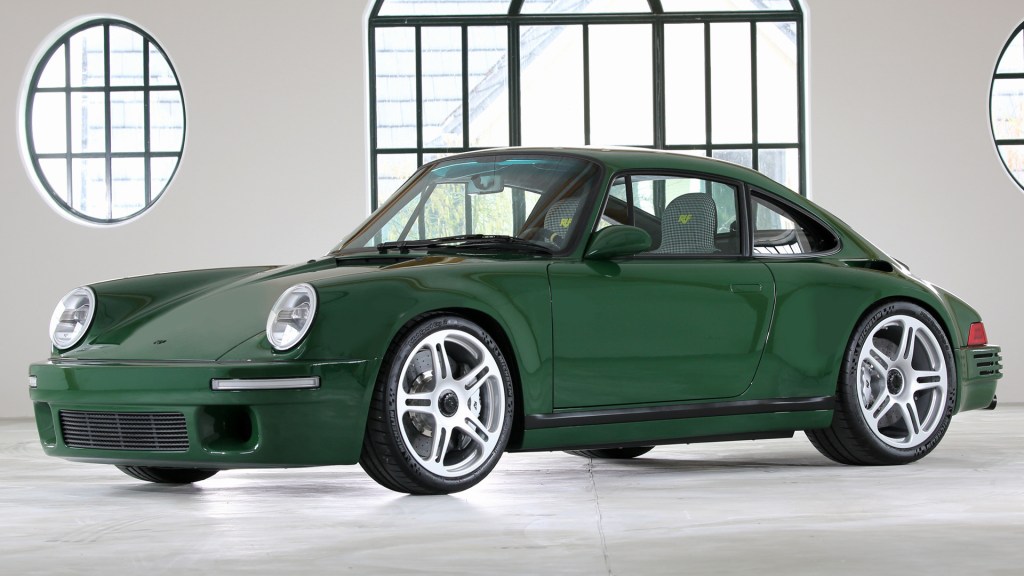
Skipping ahead to 1987, RUF are now a well established builder of customised Porsches. They’d built a reputation on turning up the boost on 911 Turbos and sharpening the handling on even the base models. The perfect time then, to unveil their most ambitious creation. Through his connections to Porsche, Alois Jr was able to source an engine from Porsche’s own Le Mans winning 962 racing car, and proceeded to mix and match some of it’s parts onto a 911s 3.2 litre flat-six. The result? A 3.4 litre twin-turbo monster that found it’s home in to boot of a narrow-bodied 964. That 964 had an official name (Group C Turbo RUF, or CTR for short), but is much better known by the nickname that Road & Track magazine bestowed upon it as it blasted past the quarter-mile in 11.7 seconds: “Yellowbird”.
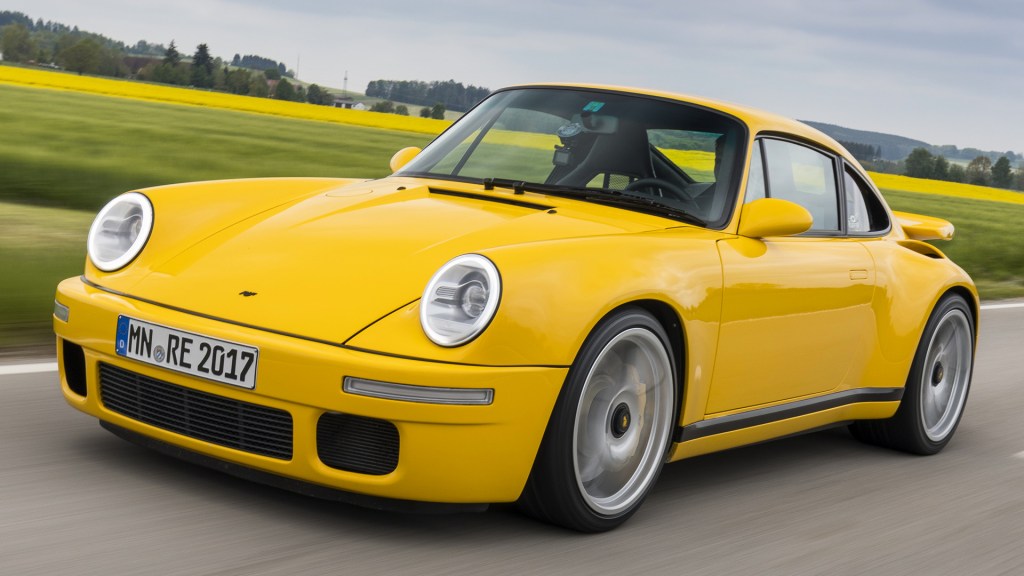
If you’ve never heard the name before, then I implore you to check out a video on YouTube called Faszination on the Nürburgring. It’s a 20-minute video of RUF’s test driver, Stefan Roser, blasting around Germany’s most infamous race track with the twitchy turbo trying desperately to spit him into the Armco. Both the amount of driving talent and the sheer size of the plums on that man is a sight to behold.
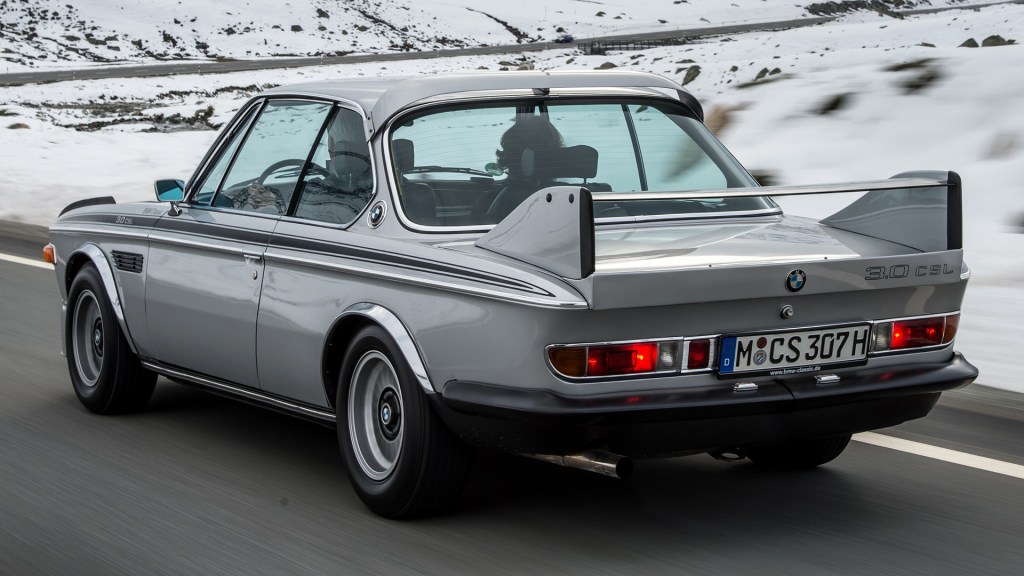
Back in the 1960s, A chap called Burkard Bovensiepen founded Alpina, with the aim of fitting BMWs with his own designed and developed Weber dual-carburettor. Around 2 years later, the work was so well recognised that BMW approached Alpina with a proposition: “We’ll offer your tuning package in our dealerships, and you get access to our production line to fit them.” Needless to say, the deal was successful, with Alpina and BMW collaborating on building the world-beating E9 3.0 CSL (better know to people in the 70s as the “Batmobile” thanks to it’s ridiculous wings). By 1988, Alpina had withdrawn from motorsport because they were now recognised by the German government as a vehicle manufacturer in their own right.
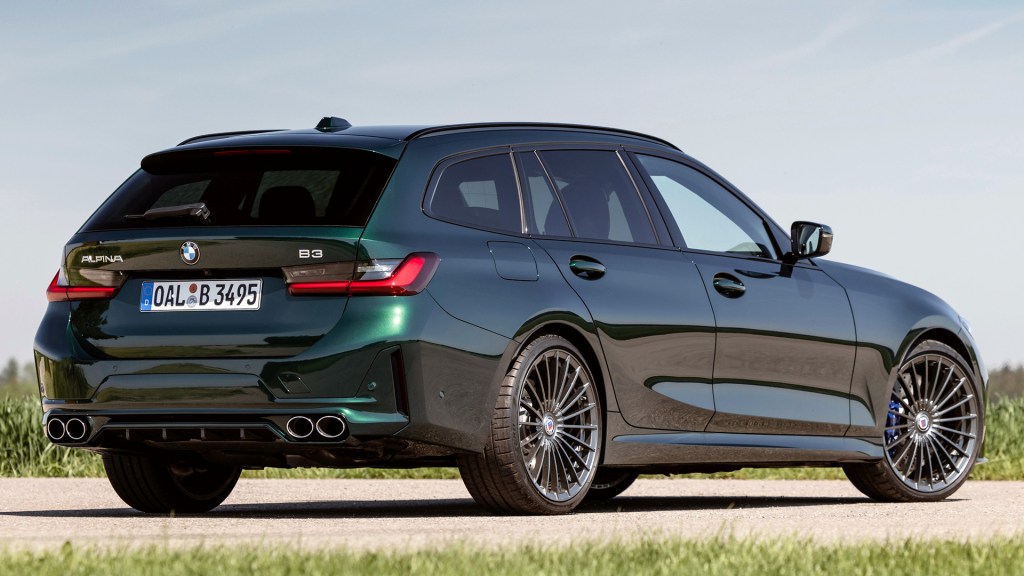
Using their newfound status, Alpina struck up a new deal with BMW: “You send us a handful of brand-new cars every now and then, and we’ll turn them into fully-fledged Alpina road cars.” BMW agreed and a new wave of Alpinas began to hit the road. This wasn’t just a case of taking a base-model 3-series, dropping in a new engine and waving it out the door, far from it, Alpina would take a cooking-model BMW, and then throw most of it in the bin. To use the modern Alpina B3 as an example, Alpina takes a 3-series estate, fits it with the engine from BMW’s own M3 (albeit blueprinted by Alpina, with bespoke turbochargers, Akrapovich exhaust and engine mapping that slightly decreases power while increasing torque), recalibrates the adaptive dampers for an extra comfortable ride (even adding a “Comfort Plus” option to the drive mode selector), and re-trims the interior in Rolls-Royce grade leather. Far more than just a pop-and-bang remap.
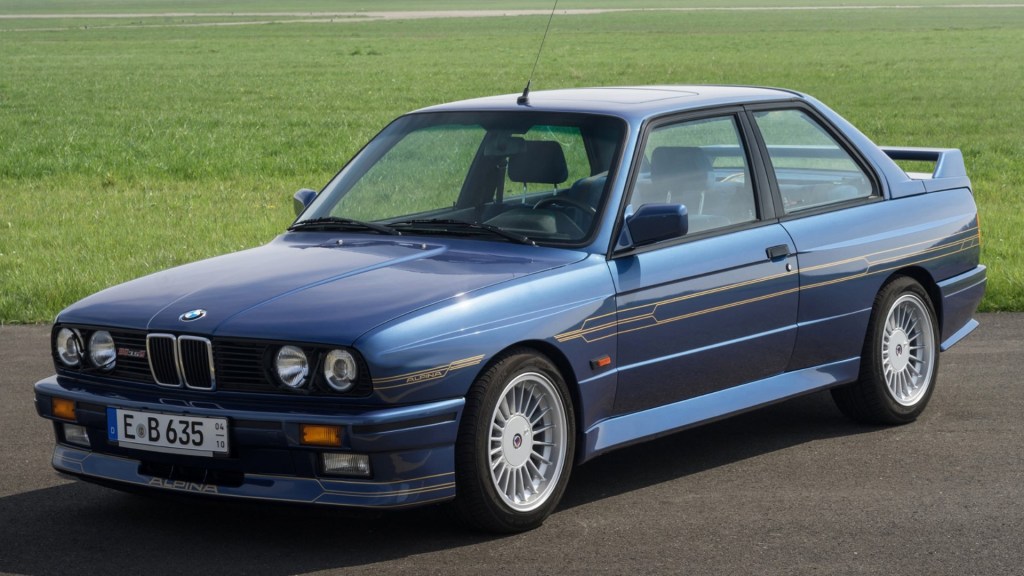
My favourite Alpina (and one of my all-time dream cars) is their version of the iconic 1980s E30 M3. As the BMW was a homologation car, it had to meet racing regulations, which meant that the wide-arched bruiser sported a disappointingly stingy 2.3 litre four-cylinder engine, putting out a wimpy 197bhp. Alpina took that and, in a genius move, built the perfect engine for the package. Starting as a 325i straight-six engine, they bored it out to a massive 3.5 litres and fitted their own top-end, finally giving the M3 the grunt to match it’s muscular looks. The Alpina 3.5 B6 S kicked out a much more sporting 254bhp and is, arguably, the car the E30 M3 should always have been.
So where do these two companies differ from their contemporary tuner AMG? Well, they always maintained their independence. AMG built it’s reputation on fitting ridiculously huge engines to otherwise ordinary Mercs (see: the 7.3 litre V12 that got crowbarred into a W140 Mercedes S-Class and the 6.0 litre V8 in the W124 coupe, nicknamed “The Hammer”, phwoor) and was then outright purchased by Mercedes in 1999. While they did continue churning out incredible performance cars (C63, SLS, and anything with a “Black Series” badge) they have also, as of late, been turned into a marketing gimmick.
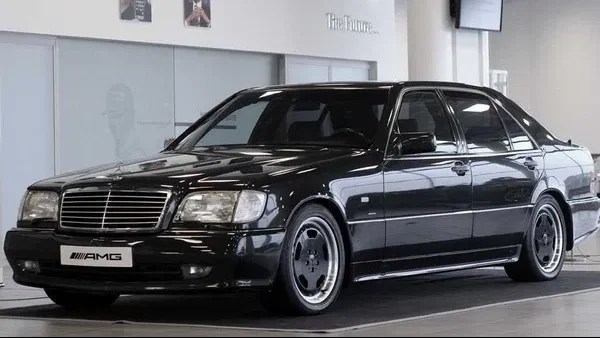
It’s been disappointing to see a company that used to build such interesting cars turned into little more than a trim level. I once had a full-blown argument with someone who told me that they drove a super saloon that could (and I quote) “wipe the floor with [my] Jag”. The car in question? A C200d AMG-line.
Yeah, sure Dylan.

 Project Petrolhead
Leave a comment