“He’s always had this love of cars. Through rallying, where performance and car handling became so important, that’s where the engineer in Richard really came through. Making a car handle was what it was all about.” – Nicky Grist, WRC Co-Driver

In the mid-nineties, Ford was in a bit of a slump. The ageing Escort and Scorpio were being shown clean pairs of heels by their rivals on the roads and in the showrooms. Something needed to be done. Ford needed… to re-Focus.
If any man can be credited for revitalising Ford in Europe, then Richard Parry-Jones can. As a young lad growing up in North Wales, Parry-Jones became hooked after watching rally cars tear through the forests on what is now known as RallyGB, and it was in this world that he became a lifelong petrolhead. Joining Ford as an apprentice in 1969, he worked his way through the ranks, ending up directing Ford’s European manufacturing operations by 1990. From there, he would spearhead the company’s direction for the new millennium.
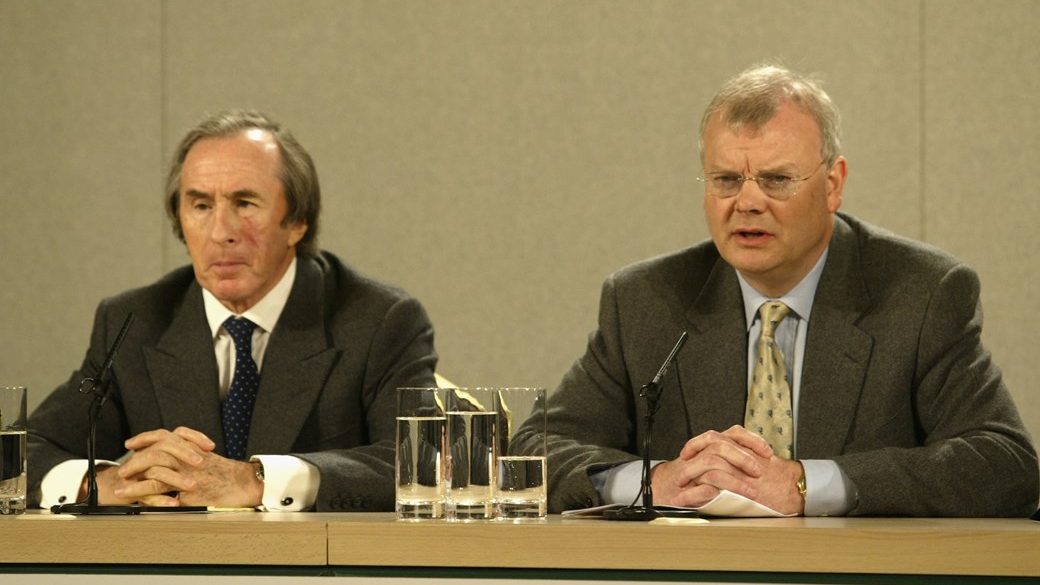
Speaking to Modern Classics magazine, Parry-Jones lamented “The company was really good at selling to fleets, and didn’t really sell to retail buyers – hence the focus on costs. As such, there wasn’t much about it the user actually wanted.” And so there his mission began. He decided that the best way to make headway against Ford’s rivals, while keeping their offerings at a lower price point that the more premium German offerings, was to focus on something universal: the driving experience. Now acting as Chief Engineer, Parry-Jones whipped the engineering team into shape and started to form a product line-up.
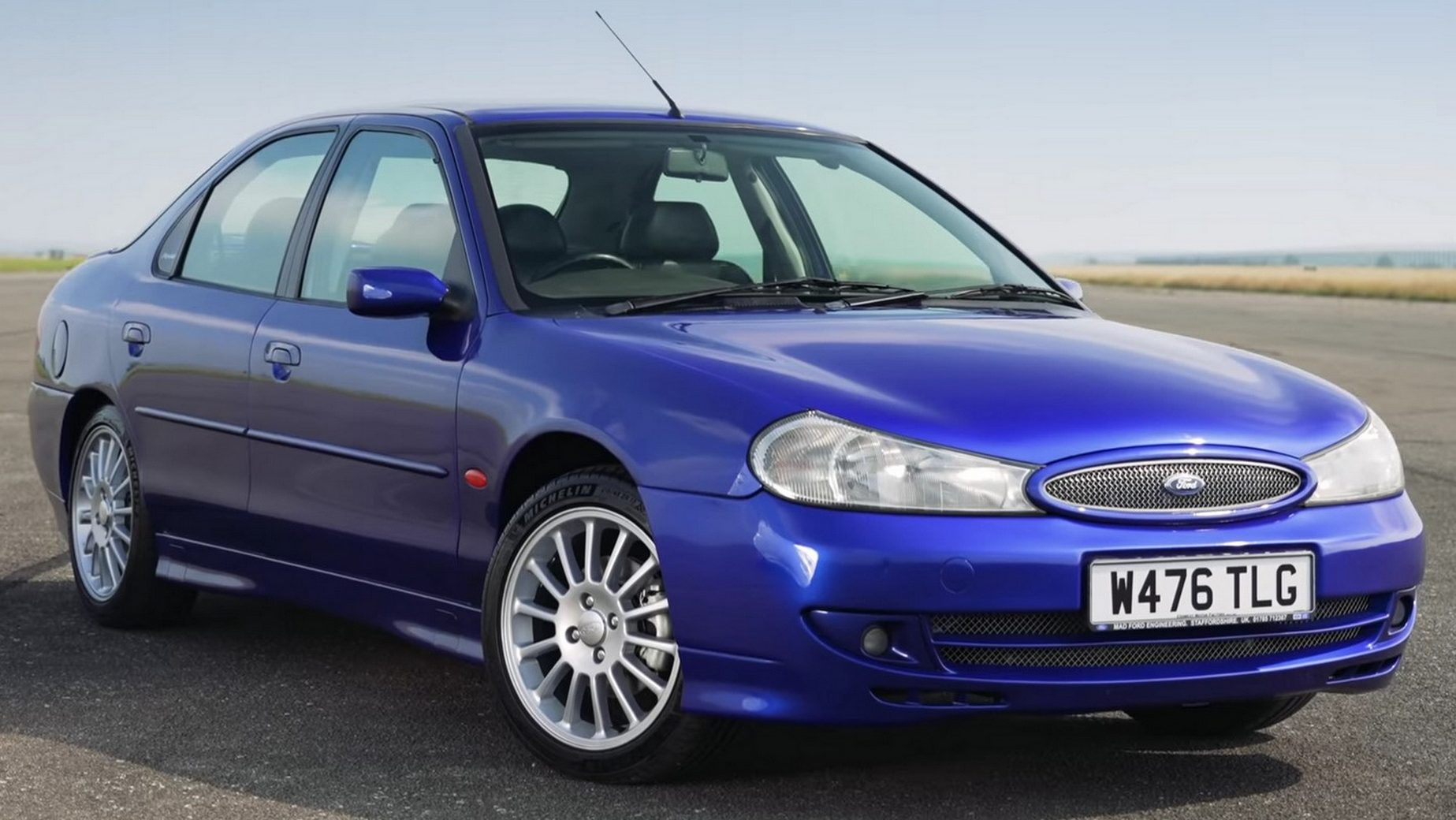
First came the flagship; a saloon car to rival the BMW 3-series. By stiffening the chassis, reducing the kerb weight and moving the centre of mass toward the middle of the car, the team managed to turn the humble Mondeo into a success. Appealing not just to price-savvy fleet buyers, but also those looking for something interesting to steer. The next successes came with the one-two punch of the Puma coupe and KA city car, packaging the same driving dynamics and handling ethos into respectively sportier and smaller cars. With good will from those class-leading offerings, Parry-Jones was given even greater control over the car that would become his Magnum Opus, or rather, Magnum Focus.
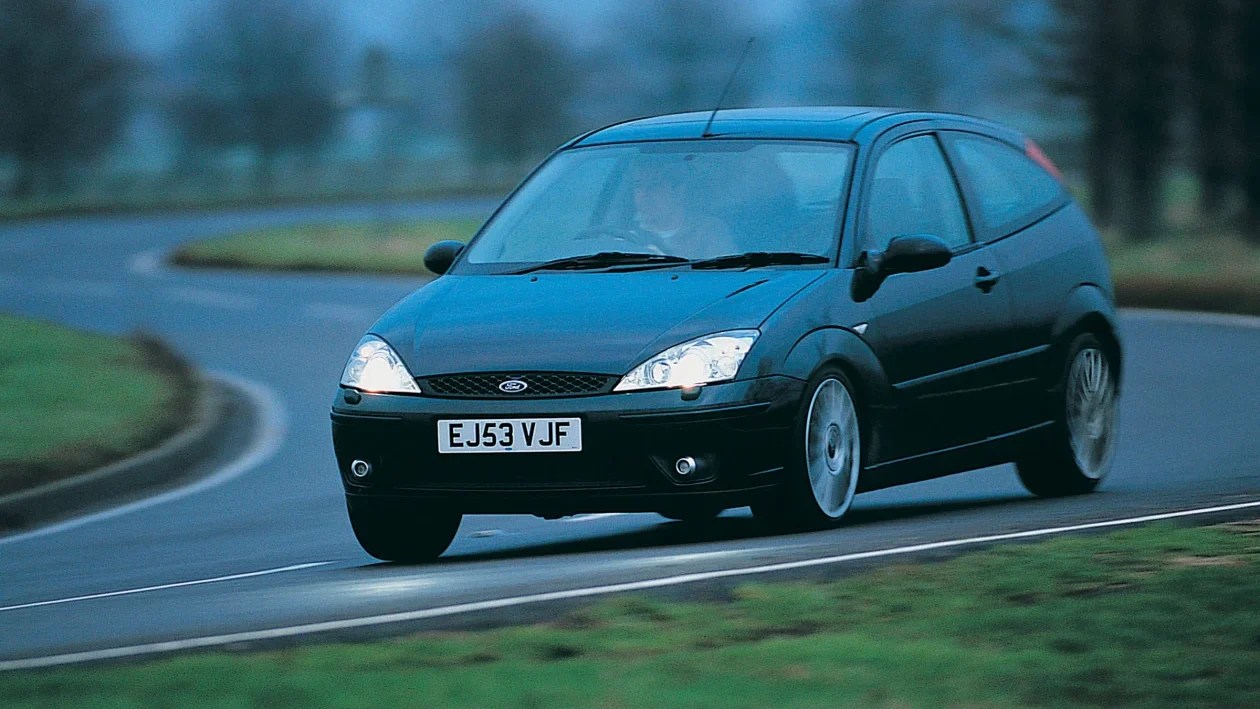
An enthusiast might say that the first-generation Ford Focus went about things the wrong way, not padding out the range with “fast” versions like the RS and XR3 Escorts before it, but for Parry-Jones, the main aim was to make sure that the entire range, including the entry-level models, got the same level of attention to detail. In his own words: “Will people pay extra for that? No, they won’t – not immediately. But they might buy the car and recommend it to their friends.” By ensuring that the base models were just as good to drive as their ST and RS brothers, Richard Parry-Jones managed to do something rarely seen in the automotive world; He successfully democratised driving pleasure. Now you didn’t need the extra few thousand to get you into the top marques, when a mid-spec Focus would do everything you wanted. And the results speak for themselves. To this day, it’s the only car ever to be crowned Car of The Year in both North America and Europe by thirteen different publications. When asked what he would buy if he could only have one cheap car, legendary car journalist Chris Harris answered “I’d get, probably a first-generation Focus. Probably with the little 1.6 which was the better engine… I still think the first-gen Ford Focus is the best little hatchback I’ve driven, it’s much better than all the current ones to drive.”

Richard Parry-Jones passed away in 2021, but his legacy is strong. In 2022, Ford renamed the Driving Dynamics centre at their Lommel Proving Ground in Belgium to the Richard Parry-Jones Appraisal Centre, and assured the press that they still employ Parry-Jones’ famous “50-Metre Test”, that being that an engineer should be able to ascertain any information they need to know about a car within the first 50 metres of a drive. Even twenty years on, Ford’s early-noughties model line-up is still one of the most widely acclaimed ranges in motoring history, and it was all down to a young boy who fell in love with rallying.

 Project Petrolhead
Leave a reply to Simon Cancel reply