Here on Project Petrolhead, we have a semi-recurring segment that I call “Here’s a car that I want this week”. Are these mainly an excuse to spend a few hours scrolling through the classified under the vague guise of “work”? Yes! Do I tend to churn these out when I’m late for a weekly deadline? Also yes! Unlike the last few entries into this series, this particular want is neither sensible nor attainable. In fact, it might just be the single most ostentatious car that will ever grace these pages. The Bentley Mulsanne Speed.
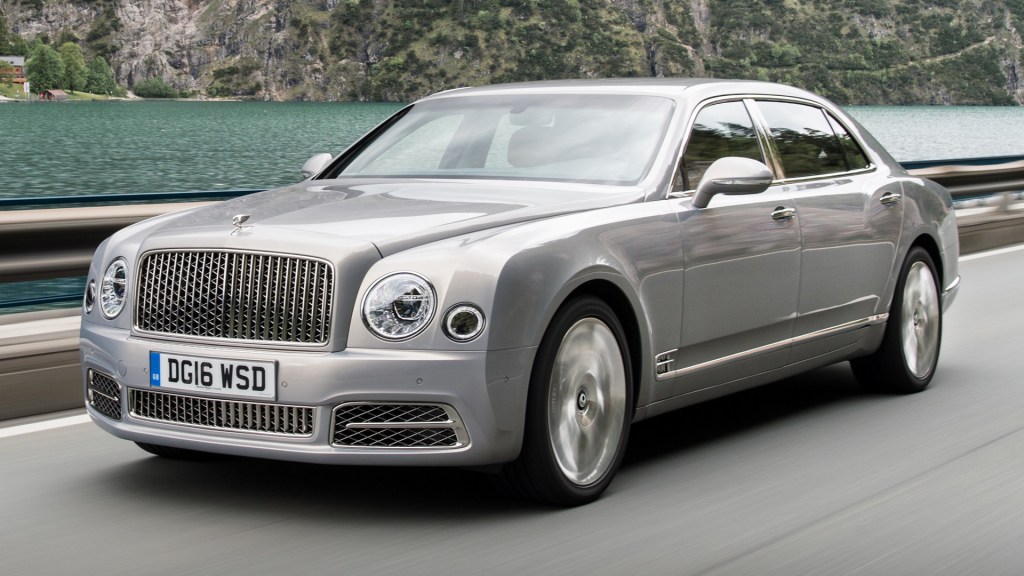
With prices starting from around £50,000 for an earlier pre-facelift example and peaking at around £130,000 for one of the later cars, the Mulsanne is hardly in the running to be the next daily driver, but hey-ho, I might have just won the Euromillions. We live in hope. No, the reason I desperately want a Mulsanne Speed is for the sheer… Bigness* of it. This 2.7-tonne, 5.5-meter-long, 7-foot-wide uber-limo is, quite simply, the most car you can buy for the money. And what you get is pretty stunning.
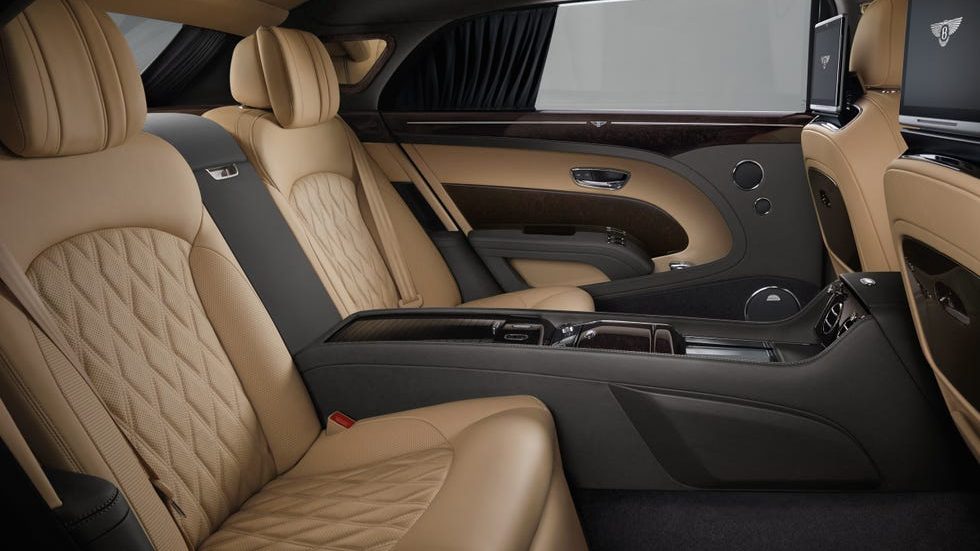
The interior, adorned as it is with lambswool rugs and hand-stitched leather, is somehow not even the highlight for the discerning Mulsanne owner. While passengers get to enjoy countless amenities like the built-in android tablets, cut-glass champagne flutes (perfect for quaffing the bottle of bubbly kept chilled by the on-board fridge), walnut interior trim and ample legroom (even more ample-er on the 5.8-meter-long EWB model), the driver has access to one of the most astonishing, enduring engines ever fitted to a road car.

In 1958, Rolls-Royce and Bentley (co-partners at the time) decided that they wanted to develop a new engine for their line-up. As they were (charitably) slightly skint at the time, there were only enough resources to develop one engine for both the Rolls and Bentley ranges. Therefore, the engine needed to be smooth and quiet enough to slip into a Roller, and sporting enough for the flying “B”. The result, partially taking inspiration from Rolls-Royce’s eponymous Merlin engine (Of Spitfire fame. The plane, not the Triumph), was an all-aluminium pushrod V8, with gear-driven camshafts and a six-and-a-quarter litre displacement (It’s a Rolls, it feels wrong to say 6.25). In 1970, that engine’s bore was increased to six-and-three-quarter litres (6.75 in Roman Catholic) for increased torque. Then, in 1987, Bentley decided it would be a great idea to bolt a turbocharger onto it, an idea that they doubled-down on (literally) in 2005 when they added, you guessed it, a second turbocharger!

And that brings us back to the Mulsanne. Somehow still using the same basic aluminium-block pushrod engine, albeit now boosted with two turbochargers to around 530bhp, the Mulsanne Speed made the RR/Bentley L-series engine the longest-lived production road car engine in history (shove that in your tailpipe and smoke it, GM small-block V8!), only ceasing production in 2020. As such, it’s got quite an old-school character. It might have 530 horses roaming around under it’s vast acreage of bonnet, but they’re quite lazy, with the redline coming in at an agricultural 4500 RPM. Never fear though, the 1100 newton-meters of torque (more than the McLaren P1 hypercar) is enough to briefly reverse the earth’s rotation every time you put your foot down, making the Mulsanne Speed the king of the overtake.
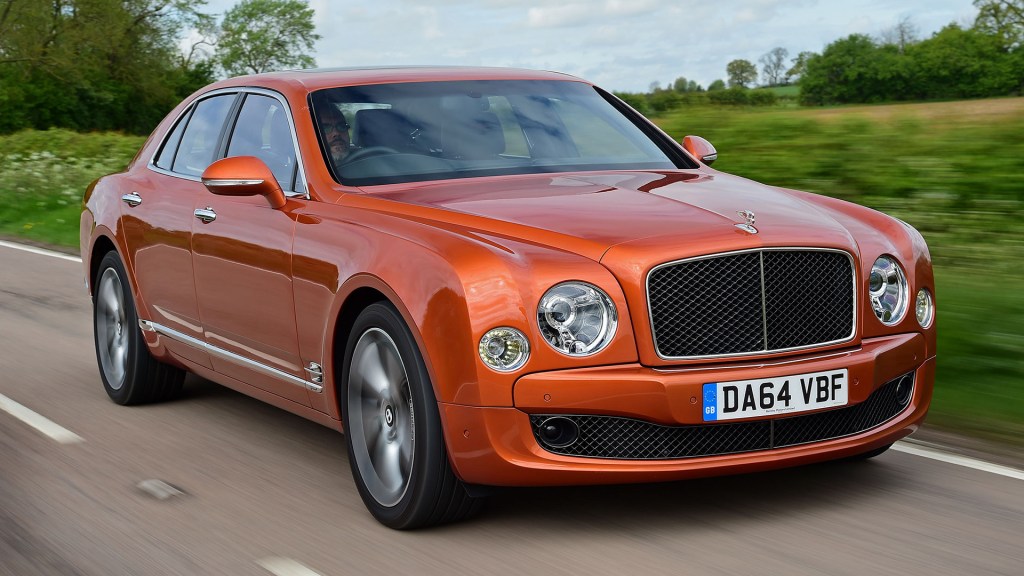
For me, the Mulsanne represents the last vestige of Bentley’s independence, being the last car in the Bentley range not to share an engine or platform with any other car in the Volkswagen-Audi stable. These days, the Continental and Flying Spur are both really little more than a re-bodied Porsche Panamera, including both now sharing the Porker’s 4.0 litre hybrid V8 (and previously borrowing their 6.0 litre W12s from the Volkswagen Phaeton), and the Bentayga shares the majority of its under gusset with the dreadfully dull Audi Q7. The Mulsanne really was the last bespoke Bentley, and the automotive world is worse off without it.
What would I do with it then? Simple! A trip down to Le Mans would be in order. If you didn’t know already, Bentleys tend to take their names from famous races that the so-called Bentley Boys won back in the 1920s and 30s. The Brooklands coupe takes its name from… Err… Brooklands, and Le Mans lends names to both the Arnage (90-degree right-hander that leads into the last tricky technical section) and the Mulsanne (3.7 mile straight, now broken up by two chicanes). So I’ll pack the champagne and caviar, you pack a tent and a disposable BBQ and we’ll party like it’s 1928!
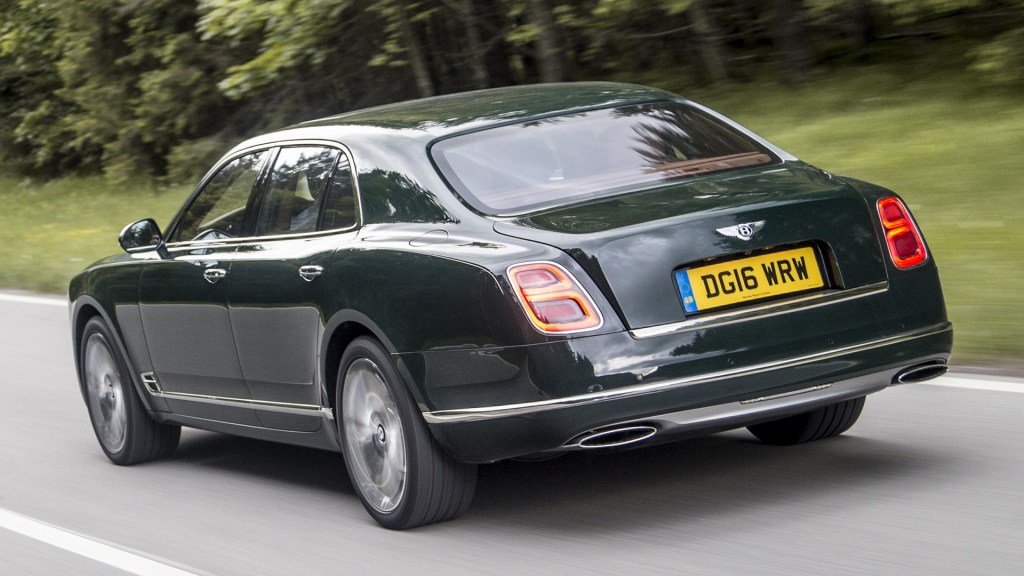
*No, I’m not compensating for anything, why d’you ask?


 Project Petrolhead
Leave a reply to Project Petrolhead Cancel reply