Most engine configurations are even numbers. 4-cylinder, V6, V8, V10, V12, you get the idea. There are, however, a select number of odd-numbered engine configurations, and they always tend to be interesting.
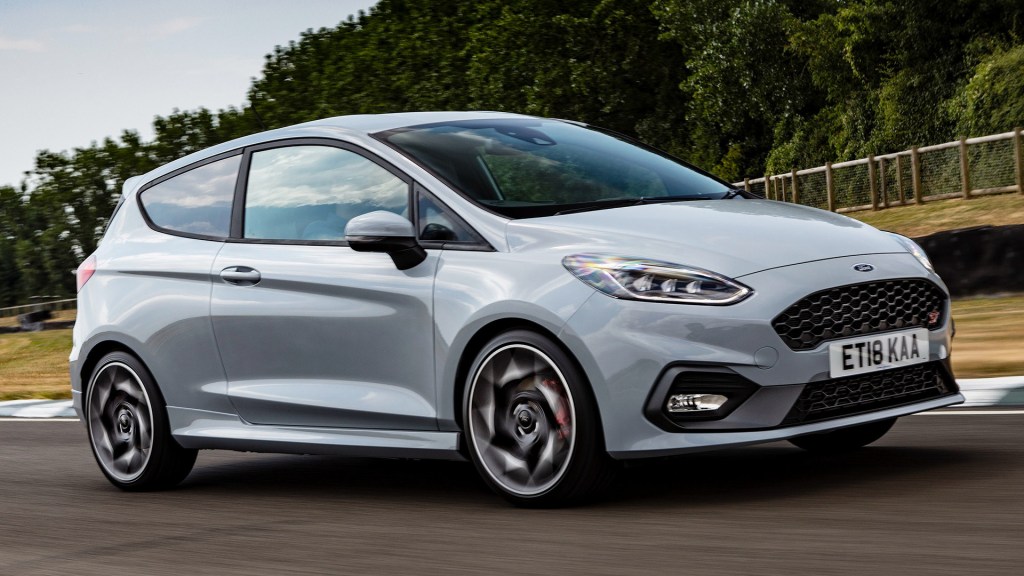
By far the most common in the modern world, the 3-cylinder has become the combustion engine of choice for the frugal supermini (or even some gutless SUVs) with miniscule fuel consumption, decent performance when augmented with a turbocharger, and a surprising level of refinement, with some people noting that these engines can do a decent aural impression of a larger displacement straight or flat-6. The best example of a brilliant little 3-banger can be found in the 8th generation Ford Fiesta ST. With 197bhp, the 1.5 litre 3-pot managed to produce 17 more horsepower than the previous generation’s 1.6 litre 4-pot, without losing any of its predecessor’s rough-and-ready boy racer charm.
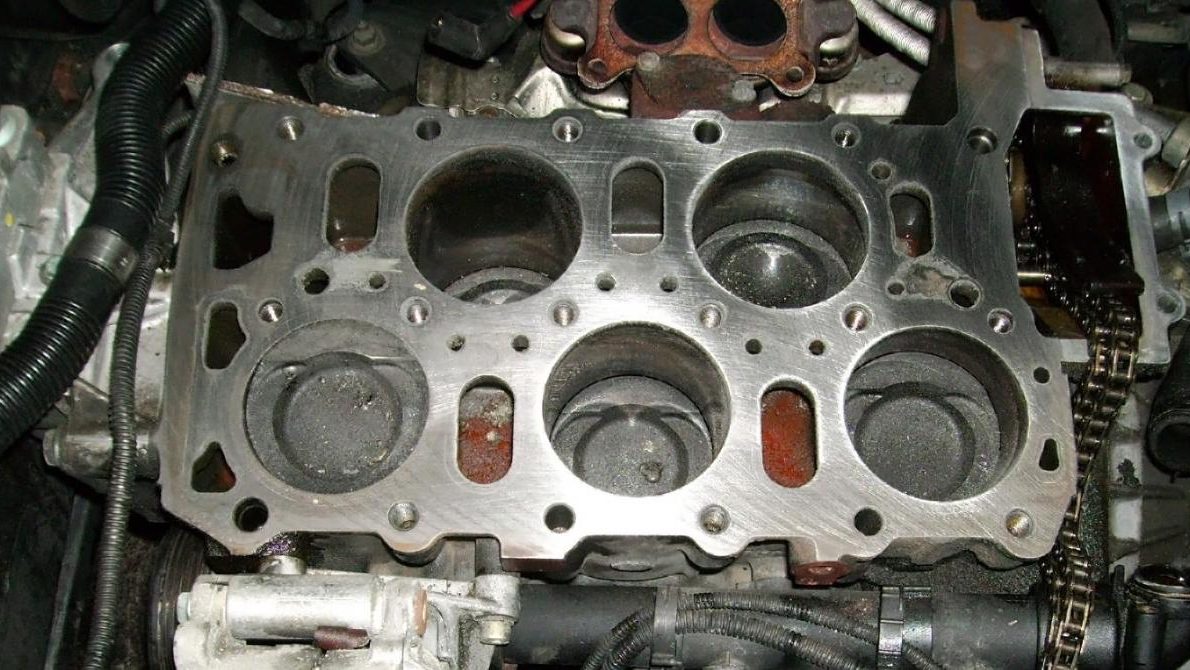
Moving up the cylinder count, we arrive squarely with Volkswagen. In the early 00s, VW were making some incredibly weird engines (V12 TDi, anyone?) which of course led to them throwing their hat into the 5-cylinder ring. VW’s engineers found that if you took a V-layout engine (a V6 in this instance) and reduced the angle between the two cylinder banks to just 15°, you could fit both banks under a shared cylinder head, effectively packaging 6 cylinders into a much smaller footprint. For some reason, they then decided “ah, sod it, let’s lop a cylinder off the end” and produced a 5-cylinder version, dubbed the VR5. Between 2000 and 2006. This engine made its home in the Mark IV Golf, sitting between the GTi and the more powerful R32 variants (the latter using the larger VR6 engine). On the surface, this should have been the Golf to go for, with GTi rivalling power and torque on par with the legendary 1.9 TDi. Unfortunately, the VR5 was utterly anaemic, producing a measly 170bhp and 220nm of torque from its 2.3 litre capacity. Interesting? Yes! Good? No.
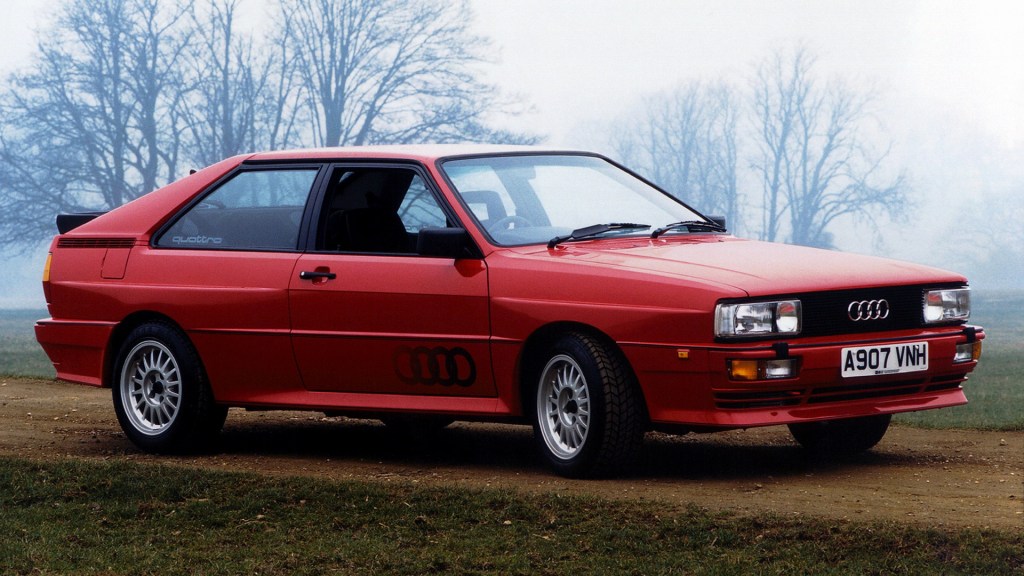
Fortunately, that’s not the only 5-cylinder to come from within the Volkswagen Group. Long before the 00s, Audi had built one to much higher acclaim. In 1980, Audi pulled the covers off one of the most iconic cars of the decade, the Ur-Quattro Coupe. Featuring contemporary boxy styling, cutting-edge all-wheel drive, and a beautifully warbly 5-cylinder. This time a more conventional straight-5, the engine was limited to 2.1 litres in order to comply with motorsport regulations, allowing the car to compete in the World Rally Championship, but still managed a healthy 197bhp, meaning the Quattro could run all the way to 137mph. In its most extreme form, the Audi Sport Quattro S1 produced an incredible 493bhp and utilised a revolutionary anti-lag system; A system that recirculated exhaust gasses back through the turbocharger, keeping it spooled up even while off-throttle, massively improving throttle response and power delivery.
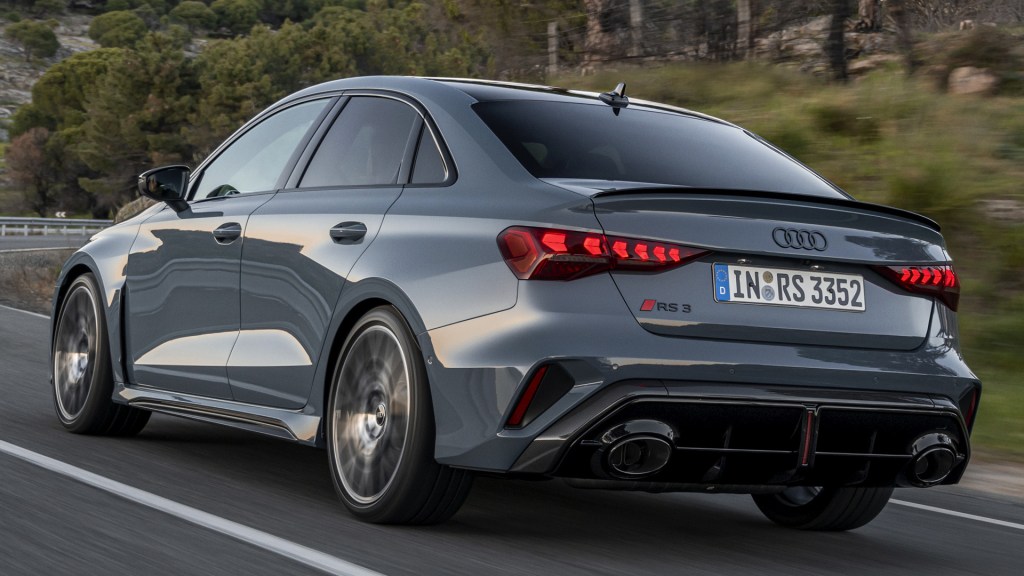
So why aren’t there more odd-cylindered engines? Well, they’re fairly complicated to produce, while even numbers of cylinders will naturally balance each other (as one cylinder goes down, another one is coming up) odd-numbered engines do not, requiring a balance shaft to reduce the off-beat vibrations, otherwise you would run the risk of the engine simply shaking itself to pieces (like what happens if you put a brick in a washing machine). And then there’s the competition. Straight-6 engines are as smooth and powerful as they ever were, and 4-cylinder turbo engines quickly became just as powerful, if not more so, than their 5-cylinder brethren, basically eliminating the reason for them to exist in the first place. Rest assured however, if you want a 5-cylinder car, you can still buy one for now! In keeping with its family tree, the Audi RS3 is still powered by a 2.5 litre 5-cylinder turbo, aping its ancestor even further with a sports car troubling 395bhp, sending it from 0-60mph in just 3.8 seconds, keeping pace with the lightweight Porsche 911 Carrera T. And the best part? You’re driving around with an engine that nobody else has, and who wouldn’t want that?


Leave a Reply