It’s said that comparison is the thief of joy, but in the world of performance cars, we love to break out the top trumps and play the numbers. Whether it’s a drag race, a lap time or a horsepower number the best performance cars have to earn their stripes. As such, it is useful to have one be-all-and-end-all winner. A maypole around which all other performance cars can be judged. What we need is a benchmark.
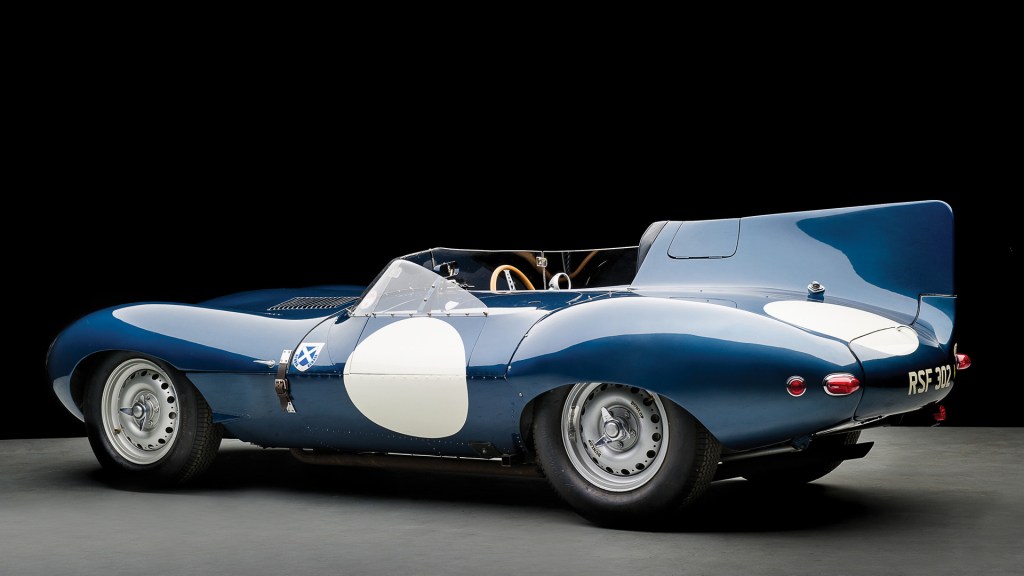
There have been many benchmarks throughout car history, be it the Mercedes 300SL, the Jaguar D-Type or the Bentley 4 ½ litre “Blower”, all have tested their mettle against their contemporaries and come out on top. For the purposes of this column (and because the author is not that old, thank you very much), we are going to start in the cocaine-fuelled whirlwind that was the 1980s.
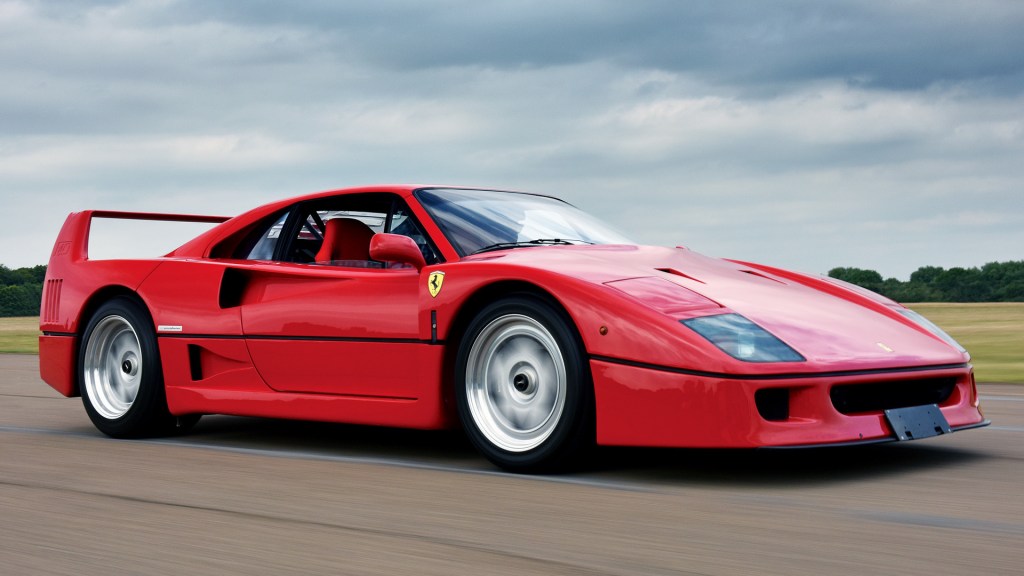
Designed to celebrate the 40th anniversary of it’s parent company, the Ferrari F40 shocked allcomers when it debuted in 1987. Featuring race-derived suspension, a stripped-out cabin and a 478-horsepower twin-turbocharged V8 all clothed in body panels made from a blend of carbon fibre and Kevlar, the F40 was not just a powerhouse of performance, it was a perfectly proportioned bauble thanks to its Pininfarina design. Not much could get close to the F40 in period, with the Porsche 959 coming closest to its 201mph top speed, but when it came to acceleration and handling, even the iconic Lamborghini Countach was blown out of the water. And thus, we have our first benchmark.
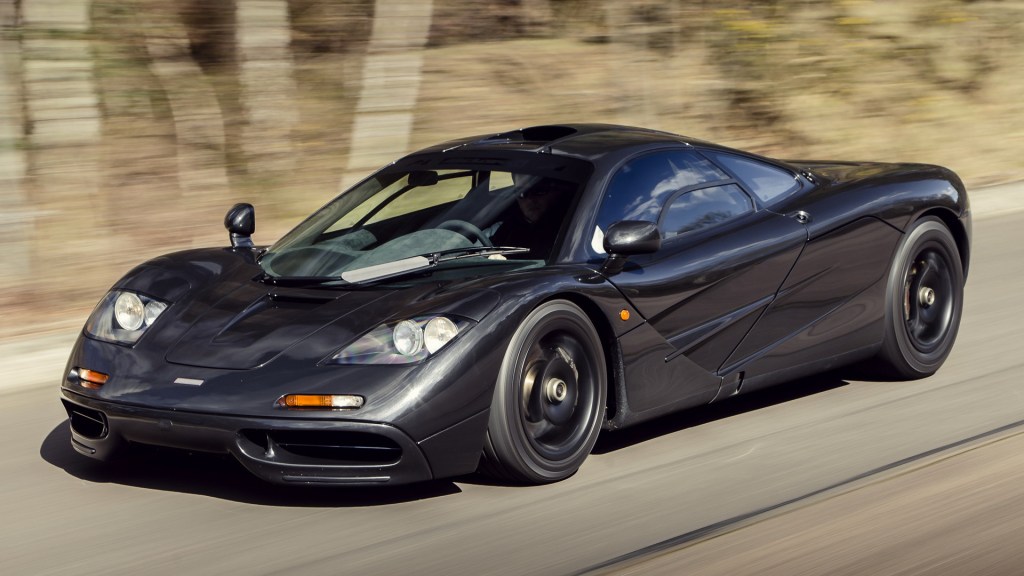
Moving into the 1990s, the F40 starts to become outclassed. The 200mph barrier has well and truly been broken, with cars like the Lamborghini Diablo, Bugatti EB110 and Jaguar XJ220 all surpassing the F40 performance figures. Deep in the heart of Woking however, a new contender was being incubated. Then technical director of McLaren’s Formula One team, Gordon Murray was commissioned by McLaren boss Ron Dennis to design and develop the company’s first production road car. The result, known as the McLaren F1, could only have come from the mind of a man as pathological about lightness as Murray, who managed to pack three seats, twelve cylinders and a bespoke Kenwood stereo into a car that weighs under 1200kg dry and covers the same footprint on the road as a modern Ford Focus. The engine, supplied by BMW, was a 6.1 litre V12 producing 627 horsepower that, thanks to the heat it produced under load, lived in a gold-lined engine bay. The combination of the immense power and its miniscule drag coefficient (0.32 Cd), meant that it could achieve a top speed of 240mph, not only making it the fastest production car at the time, but to this day the fasted naturally aspirated production car ever made.
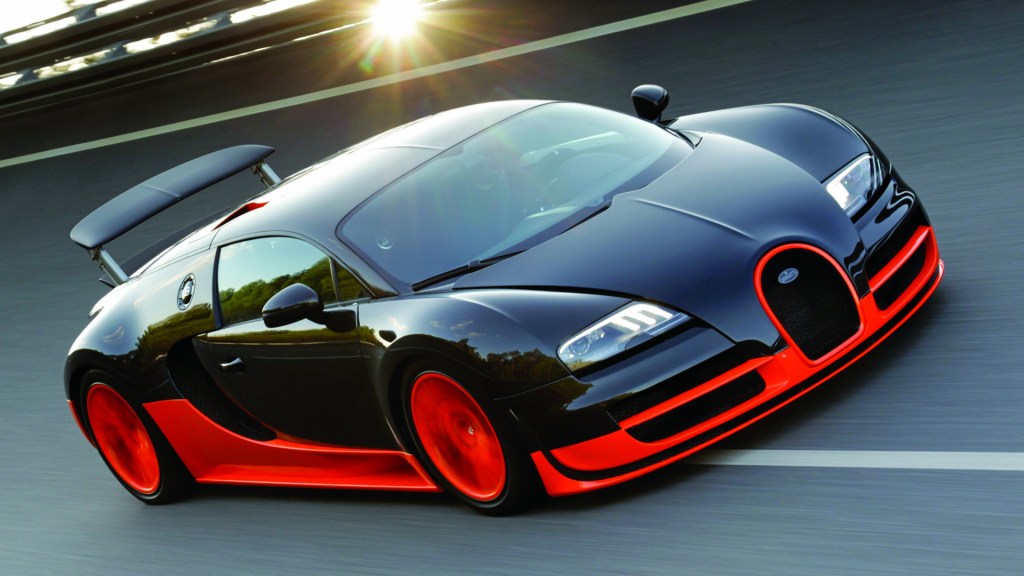
Merely a decade later, the performance car world would be rocked again. Under the direct orders of Volkswagen boss Ferdinand Piëch, Bugatti set out to create what was in their view, the ultimate road car. The numbers were incredible; 252mph flat out, thanks to an 8.0 litre, quad-turbocharged 16 cylinder engine capable of producing 1001bhp but what made the Veyron truly special was its liveability. The power was sent to all four wheels through a seven-speed dual-clutch gearbox, meaning it was just as easy as a VW Passat to drive in the wet, despite the hypercar power output. By 2011, Bugatti had done the impossible yet again. The Bugatti Veyron Supersports managed to surpass the standard car in every way. 1200 horsepower, 0-60mph in 2.5 seconds and a top speed of 267mph, all while being no harder to drive than a VW Golf.
After the barnstorming success of the Veyron, we entered a new era of performance cars, an era that birthed not one benchmark car, but three. By 2014, three separate manufacturers; McLaren, Ferrari and Porsche, had created a hybrid-driven supercar, each producing near 1000 horsepower and each capable of easily surpassing the 200mph barrier. What really drew people to the so-called “Holy Trinity” was the fact that each car went about it’s goals in such different ways. The McLaren P1 used electricity to augment the performance of an already fast car, with the electric motor filling the gaps on the 3.8 litre twin-turbocharged V8, producing 903bhp and near-instant throttle response. The Porsche 918 Spyder is the more “digital” car of the three, with its Le Mans derived 875bhp V8, four-wheel drive and active rear-wheel steering allowing it the turn of pace to lap the Nurburgring in under 7 minutes. Finally, the Ferrari… er… LaFerrari was, in true Ferrari fashion, delightfully old-school, pairing a naturally aspirated 6.3 litre 950bhp V12 with a perfectly balanced chassis and active aerodynamics that produced genuine downforce without resorting to the use of a silly rear wing. Each had its fans and the competition was close enough that it was very difficult to select an outright winner, so enthusiasts were more than happy to allow all three a joint place in the history books.

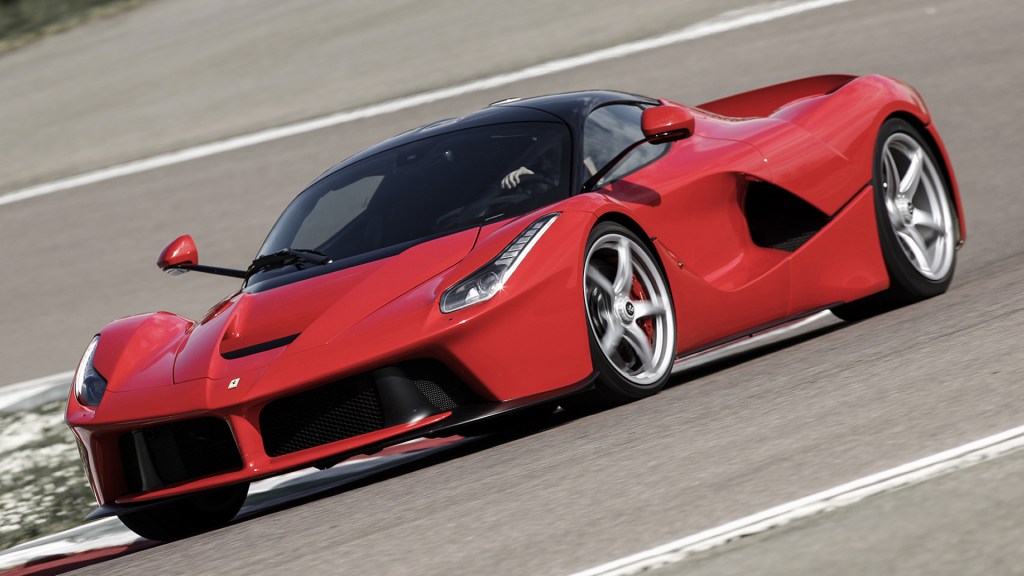
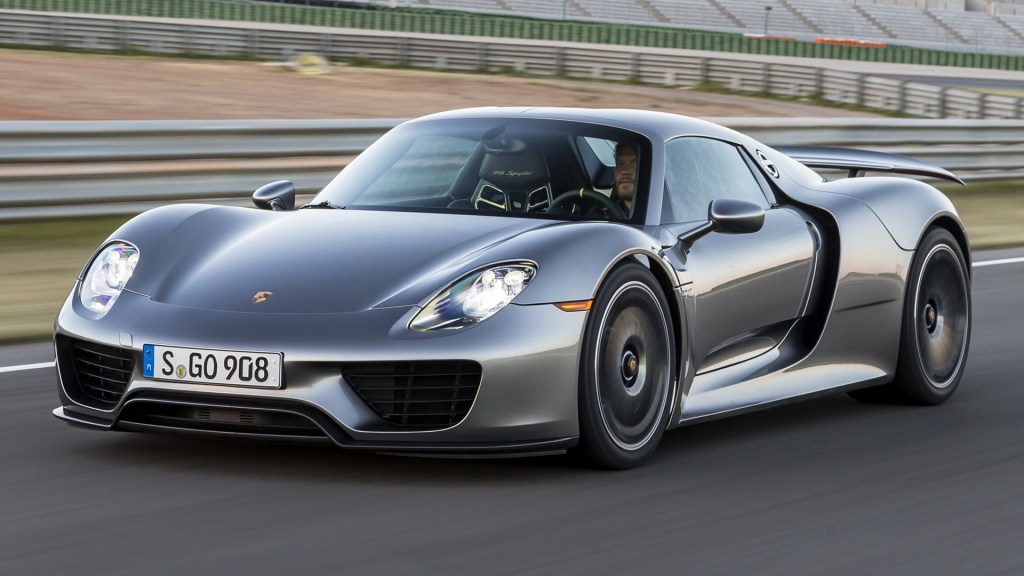
McLaren P1, LaFerrari and Porsche 918 – If you can’t beat them…
And with that brief trot down memory lane, we arrive back in 2024. It’s been over 10 years since the first of the Holy Trinity broke cover and it’s high time we saw the birth of a new performance icon, but there’s a problem. Quite simply, power means less nowadays. Thanks to advancements in EV technology, you can buy a 640bhp hatchback, a 1000bhp saloon and you have choice of 2000bhp hypercars to select from. On the surface, that sounds incredible but in reality, none of these can muster the same excitement as high-powered exotica of old, partly because they weight the thick end of 3 tonnes and partly because electric motors are inherently un-sexy. Petrolheads are drawn to noise, fire and engineering as well as outright power and EVs just can’t deliver that in the same ways.
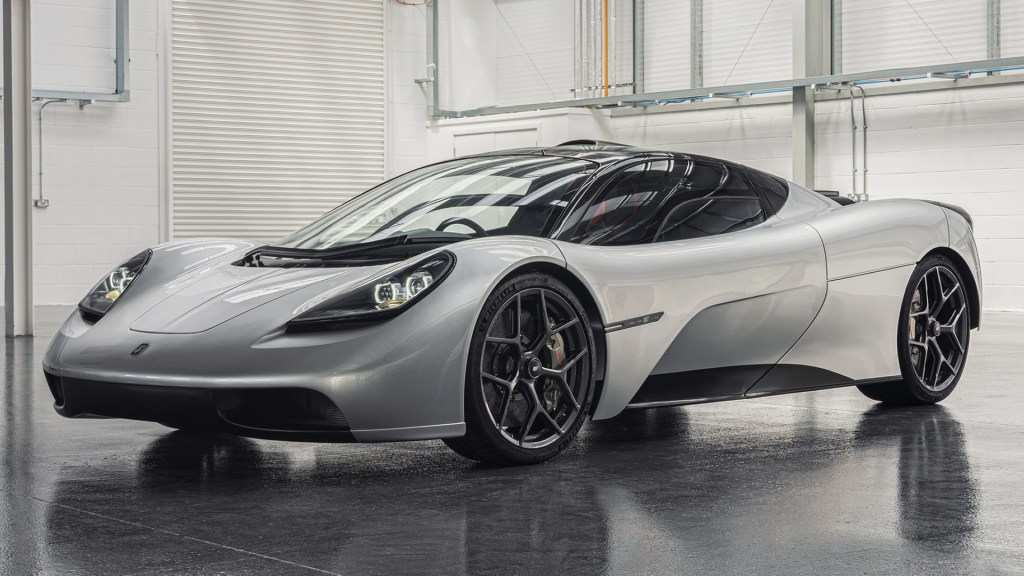
What we have seen in recent years, are cars that try to recapture the feel and excitement of days gone. Gordon Murray has spent the better part of two decades refining his own designs, releasing the spiritual successor to the McLaren F1, the GMA T.50, under the name of his own car company, retaining the 3-seat, mid-mounted V12 layout but avoiding the focus on top speed, this time aiming to build the perfect drivers car.
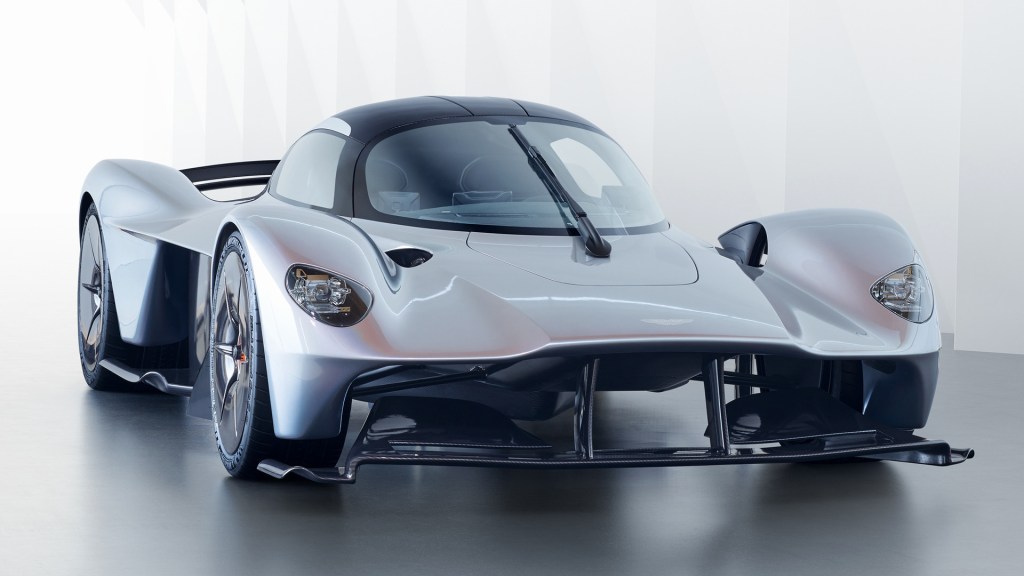
Aston Martin also threw their hat into the ring with the Valkyrie. Also developed with input from a Formula One designer (this time Red Bull legend, Adrian Newey), it featured a 6.5 litre, Cosworth designed V12, helping create a better-than-1:1 power to weight ratio (1160bhp and 1030kg respectively) and produced 1100kg of downforce at 137mph, making it one of if not the fastest road cars around any circuit you’d care to mention. Similarly, Mercedes unveiled the AMG One, powered by the same V6 as Lewis Hamilton’s world championship winning F1 Car. Unfortunately, a whole host of mechanical issues and several aborted press drives have left this potential world-beater as a bit of a dud.
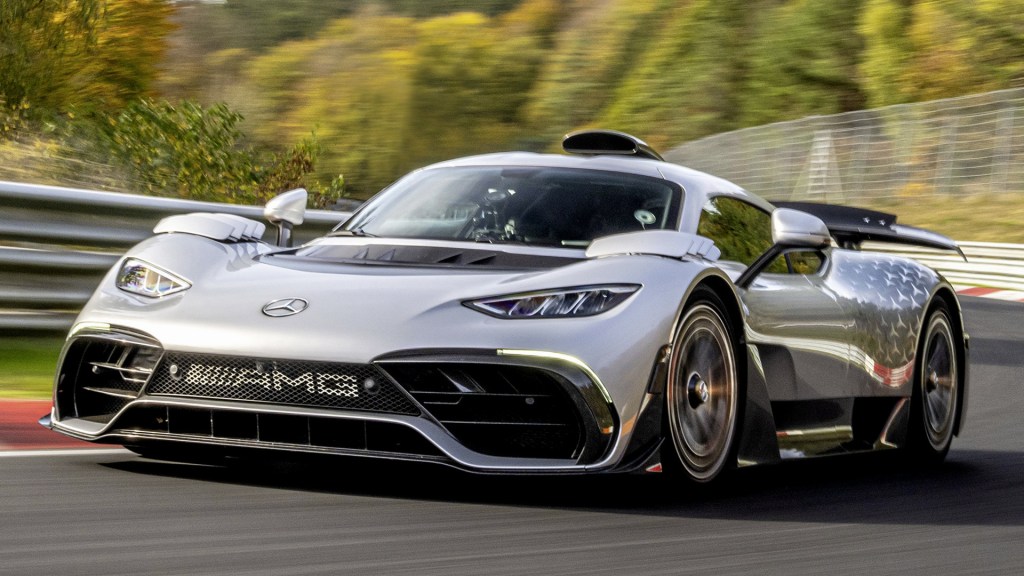
So why have none of them earned “Benchmark” status? Well, none of them are the fastest, that title still stands with Bugatti and the Veyron’s successor; the Chiron, but more importantly, none of them really break the supercar mould or rewrite the rulebook, they’re more an evolution of cars that came before and to truly be considered an icon, there can’t be anything else quite like you.


Leave a Reply