The year is 2010… Or, I suppose it was 16 years ago… Alright, it’s not 2010 now, but it was back then. You get the idea. The economy was on a slow recovery after the 2008 financial palaver, cherub-faced pig enthusiast David Cameron had just got into Downing Street, and car makers the world over were seemingly on a shared mission to put forth one last hurrah before their emissions were strangled, but that’s a column I’ve already written. Elsewhere, deep in the darkest depths of Coventry, Ian Callum was working away on a new project; a car to celebrate Jaguar’s upcoming 75th anniversary.
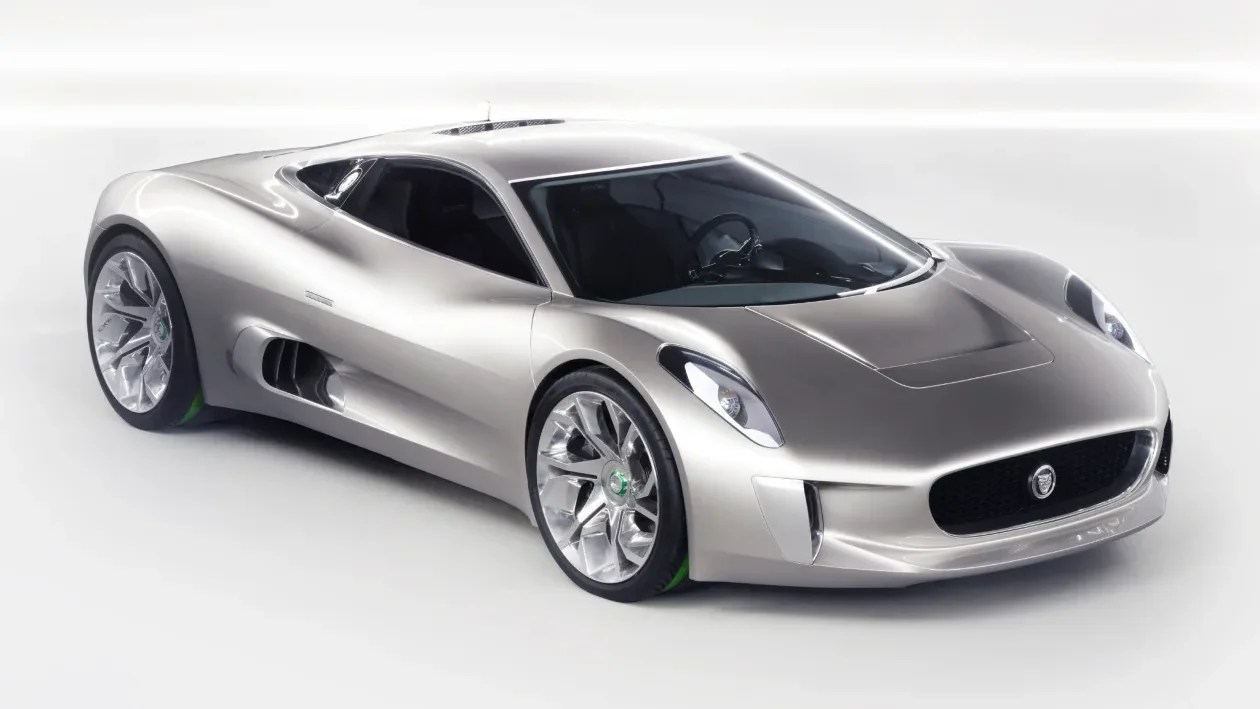
Deciding that this birthday bash needed something extra special, Callum sat down at his easel and began to draw a car that took inspiration from throughout the company’s history. The front grille had whiffs of E-Type, the mid-engined layout referenced the one-off XJ-13 of the 1960s, the rear borrowed the sculpting of the jaw-dropping 1950s XK-SS, even the roof-mounted aerial was moulded to match that aero-hump on the Le Mans winning D-Type. Drawings completed, he handed the design over to the engineering team who mocked up a prototype, but instead of looking to the past, they decided that this would be the perfect car to set Jaguar up for the future. Unveiled at the 2010 Paris Motor Show as the new C-X75 (Concept-eXperimental 75th), the car featured four electric motors – built into the hub of each wheel – but eschewed the normal bulky EV batteries for a small Lithium-ion unit. Worried about range? Never fear! The Jag had its own on-board power station, with two Bladon jet turbines generating enough electricity to allow the car to produce nearly 800 horsepower. Good Grief!
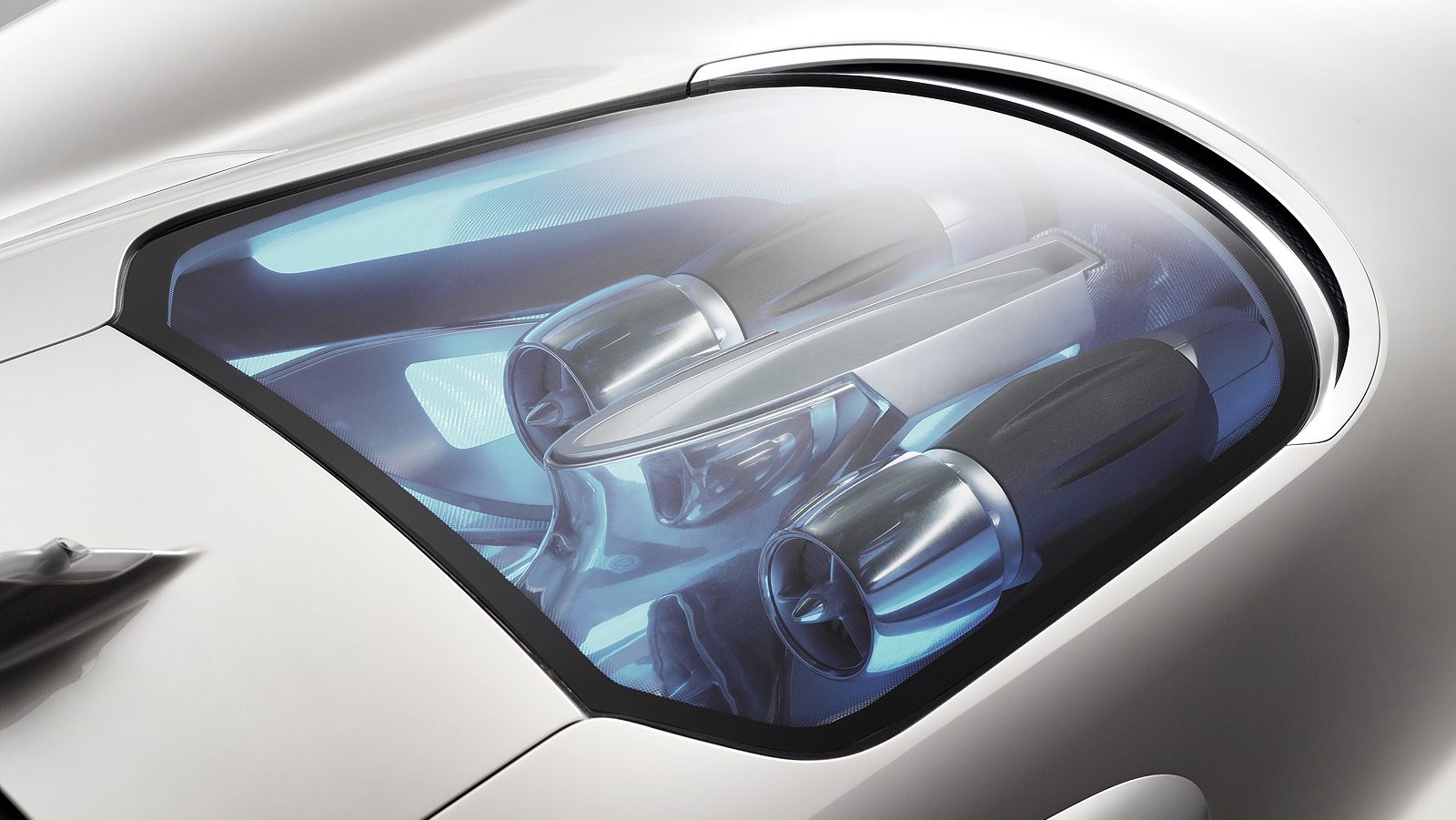
So popular was the concept car – winning awards for “Best in Show” and “Best Concept” back when that actually meant something – that Jaguar decided to put the car into production. There was just one tiny problem; it wouldn’t work. While the concept car could move and drive, it only had one electric motor (borrowed from a Nissan Leaf) and the turbines weren’t ever plumbed in. Apparently, they simply generated too much heat to be viable on the roads and would effectively barbeque anyone unfortunate enough to be stood within six feet of the exhausts, but Jaguar was undeterred. Instead, they approached Willaims Advanced Engineering. Yes, THAT Willams. The one who built some of the most successful F1 cars of all time and even beat Ferrari to the record of “most constructors championships held”. With them on board, Jaguar set out the challenge;
“We needed to achieve the performance of a Veyron, the range of a [Chevrolet] Volt and the CO2 of a Prius, and package it all inside the beautiful C-X75.” Rob Atkin – Vehicle and Programme Manager for the C-X75
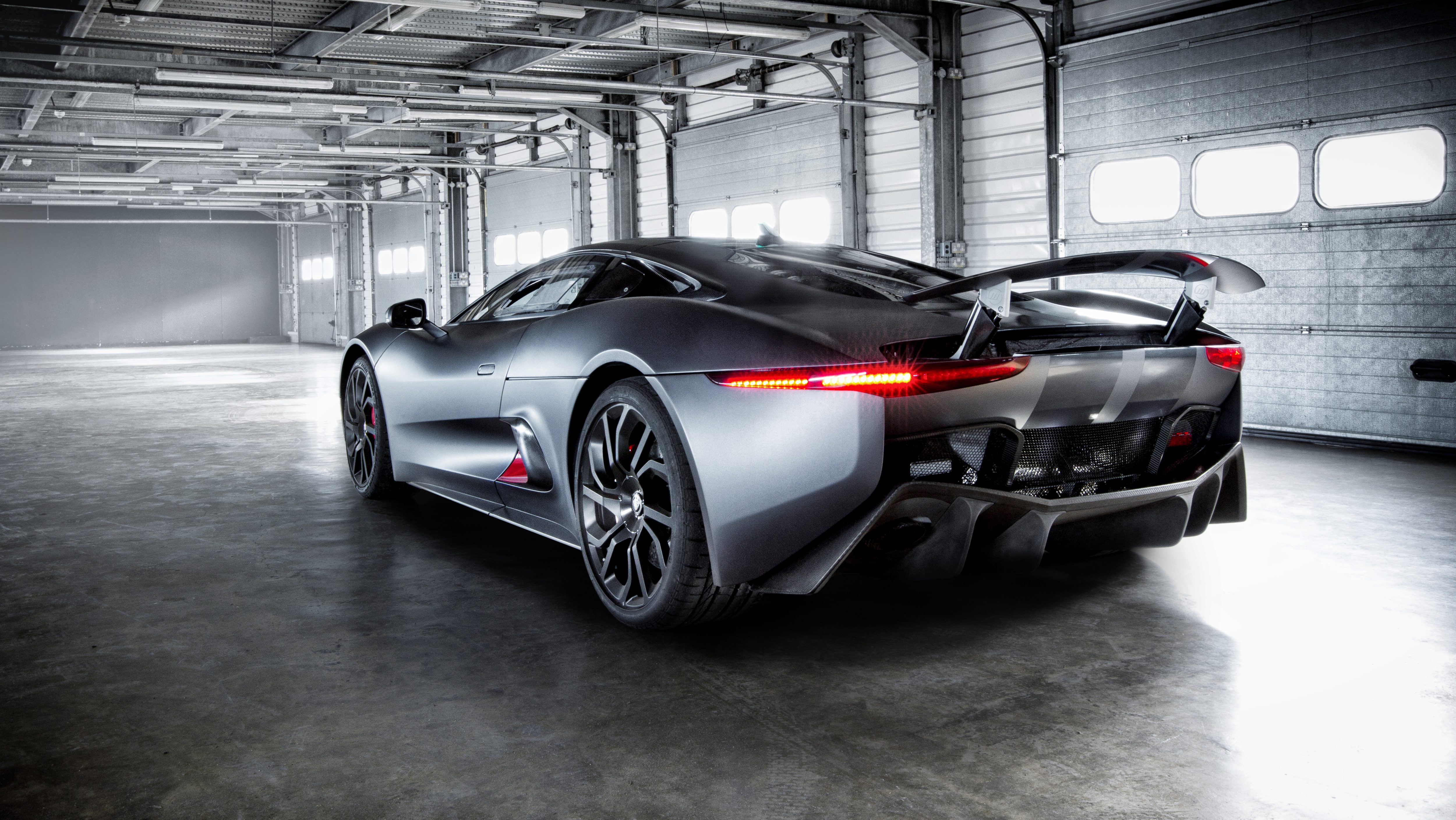
And Williams Delivered. Within two years, they had developed a bespoke powertrain for Jaguar based around a tiny 10,000rpm, 1.6 litre four-cylinder engine. This was then fitted with both a supercharger and a turbocharger to boost it to just over 500 horsepower, and then the whole thing was connected up to two electric motors that took the total output to around 860 horsepower. Or to put it another way, the same power as Porsche own hybrid hypercar, the 918 Spyder, and matching the sub-6-second 0-100mph time of McLaren’s P1, a full year before either of those cars would enter production. And on top of all that, they’d managed to keep this technological tour-de-force looking just as svelte and sculpted as the original concept car. Jaguar had everyone on the back foot and the world’s press eating out of the palm of their hand. They simply couldn’t lose.
And then, rather inevitably, they lost. By 2012, the world economy still hadn’t quite recovered from its little wobble, and the higher-ups at Jaguar were getting worried. You see, Jaguar had form for trying to launch a flagship hypercar slap-bang in the middle of a financial crisis, having suffered through the turbulent launch of the 1992 XJ220 (which you might remember us writing about previously), so they were understandably sceptical that second time would be the charm as they eyed-up the C-X75’s £700,000 price tag. So, in the end, they just decided to can the whole project. The C-X75 would never be built. Not wanting to give up hope entirely, the R&D team kept the five development prototypes operational, quietly fettling them on the side between other projects, but even that came to a head when one of the prototypes caught fire on Jaguar’s Gaydon test track. Development was abandoned and the C-X75 was finally dead.
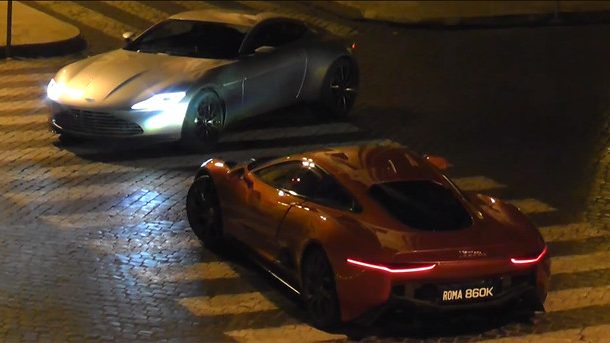
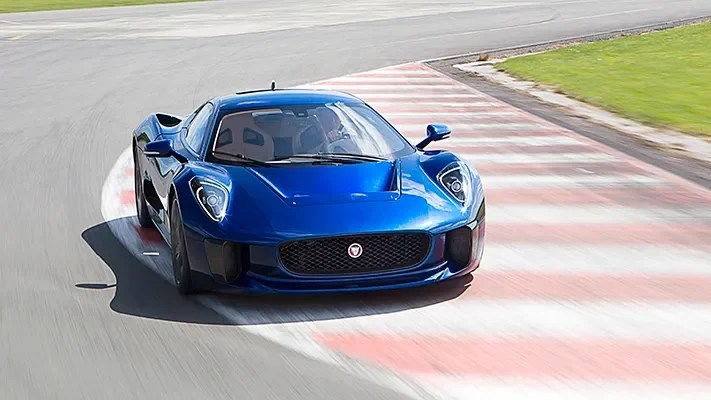
But not for long! In 2015, MGM studios approached JLR about using some of their cars in the upcoming Bond film Spectre, and the company was happy to oblige, kitting the film’s henchmen out with SVR Range Rovers and specially modified Defenders, but MGM had another request. They wanted a classic Bond car chase, something in the vein of Die Another Day where Bond could face off against a baddie in an equally matched car. They already had Aston Martin producing a one-off for 007 called the DB10, but they wanted Jaguar to rustle up something for the comically large Dave Bautista as the villainous Mr Hinx. And so, the C-X75 came out of retirement… sort of. The cars used in the film weren’t really C-X75s, at least, not as we knew them, instead they were fibreglass shells with rally-spec spaceframe chassis and suspension, and Jaguar’s signature 5.0 litre supercharged V8 in place of the Williams developed units. But hey, they still looked like the real thing, and really, that’s all we ever wanted.
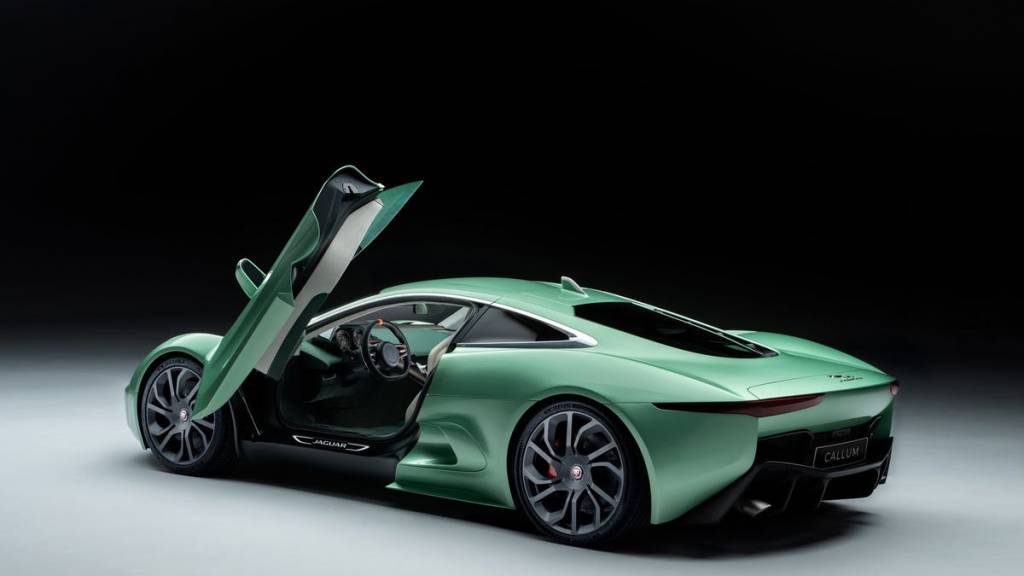
Even now, the dream remains alive that we will one day see a real production C-X75 on the road, with even Ian Callum himself setting out to convert the four remaining stunt cars from the film into road-legal specification, so at least now it might one day be possible to wish Jaguar a happy 75th… and only 14 years late.
 Project Petrolhead
Leave a comment