The day this column comes out, we’re getting ready to watch the second round of the 2026 Formula 1 World Championship. As the 22 hopefuls pound around the Shanghai International Circuit (side note: a tenner says Russell to win*), those of us who care about engineering won’t be looking at the drivers, we’ll be paying very close attention to the cars. You see, 2026 saw a regulation change for F1, with the aim of making the cars physically smaller and bringing the racing closer together to – in theory – make the sport more exciting to watch. In all honesty, it doesn’t appear to be going very well at the moment. The once dominant Red Bull is now floundering in the mid-pack, Aston Martin seem to have accidentally purchased the engine from a Morris Minor to put in their car, everyone seems to be fed up with the lift-and-coast battery preservation aspect of the new hybrid systems and all of us here at PPH would like to pre-emptively congratulate George Russell on his inevitable WDC win.
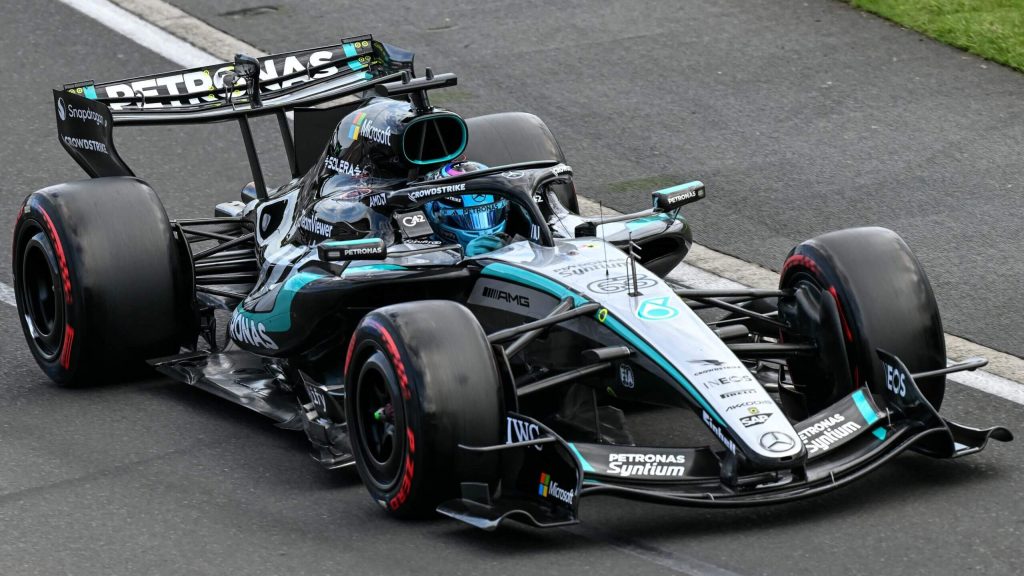
All of that, plus my last couple of recent columns has got me thinking. Motorsport regulations are a right pain. Let me be clear, I’m not some weird libertarian and I know why they exist – to keep the playing field as level as possible, to the benefit of both driver and spectator – but time and time again we’ve seen that it takes a good few years for teams to adapt, and only then can they really start pushing. Just look at Group B rallying. That started in the early 80s and the biggest development was extra driven wheels, by the end of the 80s, the whole ensemble had evolved into a pack of be-winged, flame-spitting, gravel-chewing monsters. Likewise, Group 2 touring cars racing somehow managed to transition from hotted-up family saloons to outright aero-weapons like the BMW 3.0 CSL, but it never happens overnight. And how does this change happen? Simple really. Cheat, but don’t make it look like you’re cheating. Follow the rules to the letter, spirit be damned. If the FIA say that your car must be a minimum of 40 inches tall, then by all means make it 40 inches tall… when they measure it. Then when they’ve done, take the wooden wedges out of the suspension and let it settle to its racing height. Over the decades, some great engineers, team bosses and racing drivers have come up with some truly bizarre ways of massaging the rules for their benefit.
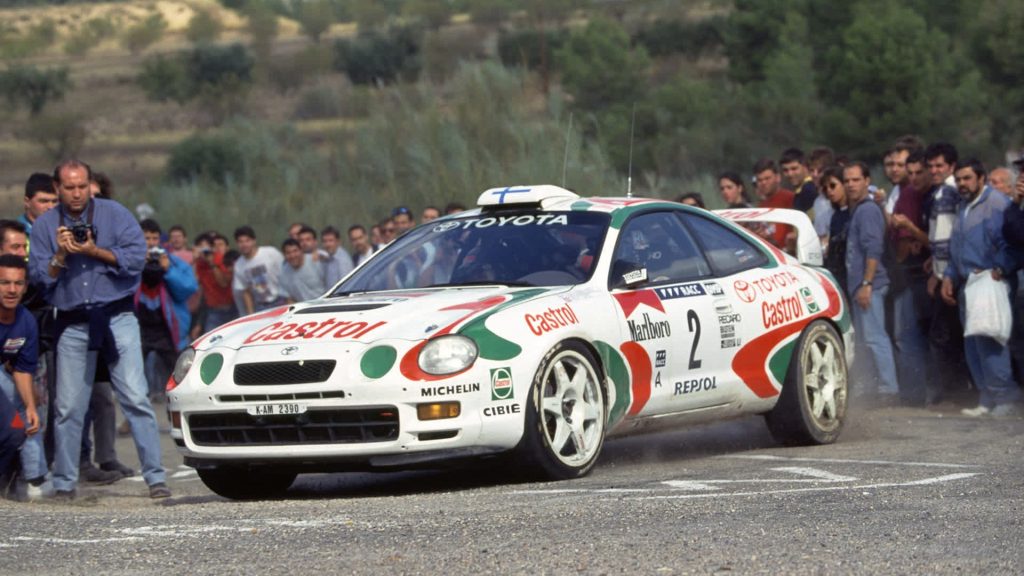
For the 1995 season of the WRC, Toyota turned up with their new Celica GT-Four, complete with four-wheel drive and bin-lid-sized turbocharger. But – A-ha! – As per FIA regulations, the turbo had a restrictor plate, limiting the airflow and thus limiting power. That was until you actually put it on the car, anyway. On its own, the turbo would easily pass a visual inspection, but when the time came to actually fit it to the car, as the jubilee clip on the intake hose was tightened, it would compress three Belleville spring washers, moving the restrictor plate 5mm out of the airflow path. The end result? Goodbye restrictor plate, hello 50 extra horsepower, quite noticeable on a car with 300 horsepower out-of-the-box. Rumour has it that the fiddle was so elegant and sneaky, that no FIA inspection could ever pick it up, and it took an insider grassing up Toyota to the higher-ups for the illegal turbo to be banned.
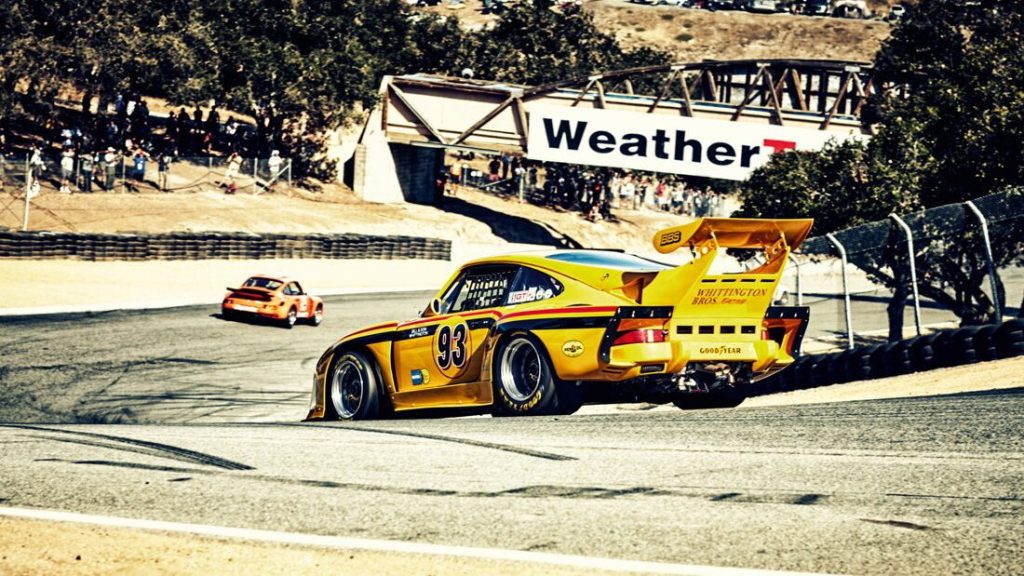
1979. Daytona 24hrs. Three yellow Porsche 935 K3s line up on the grid for qualifying, each one racing under the name Whittington Brothers. The cars had been purchased from Kremer-Porsche earlier that year when the brothers had taken a shock victory at Le Mans by buying their way onto the official factory Kremer team, and with around 700 horsepower thumping away behind the rear axle, everyone knew they’d be fast… but nobody could have guessed just quite how fast. The first car – the Le Mans winner – set off for Qualifying and blitzed the field, absolutely walking away from every other competitor and easily securing pole position, before it’s engine promptly exploded. Not to worry, there’s a spare engine all ready and waiting in the pit garage. Years later when the car was being restored, the mechanics found out why. The Whittington Brothers had cut open the car’s sills and filled them with bottles of Nitrous Oxide, plumbing in the system so that during qualifying, they could deploy well over 1000 horsepower at will before melting the engine under the super-high temperatures. Good job they were so far ahead of the pack, imagine that car in a side-on collision.
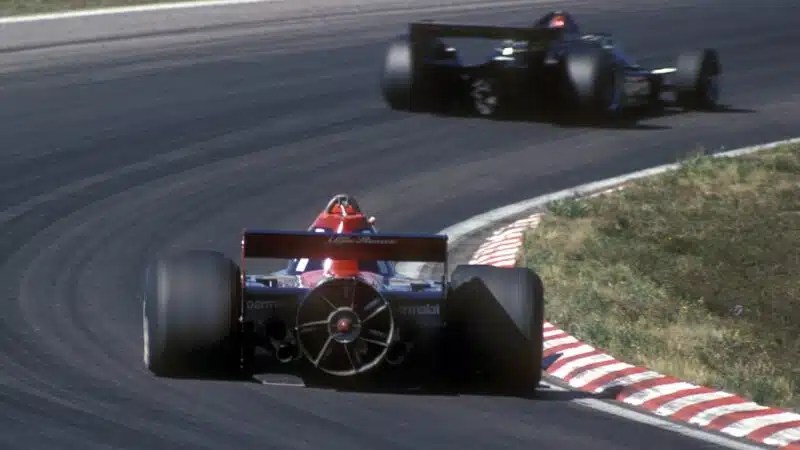
Back to Formula 1 then, and Brabham, who arrived at the 1978 season with their brand new BT46B, designed by genius engineer and Hawaiian shirt enthusiast Gordon Murray. As soon as the car broke cover, all the other teams took notice, because the Brabham seemed to have an industrial leaf-blower welded to the back of its engine. According to the team, this was nothing more than cooling apparatus, with the fan being powered directly by the engine’s crankshaft, and there’s nothing in the rules to say that they couldn’t have a whacking great wind machine on the car to cool the engine. Shockingly, the boys weren’t being entirely truthful. Yes, the fan did aid engine cooling, but only 57% of the airflow came from the radiators. The other 43% was being ducted from the underside of the car, creating a huge area of low pressure and sucking the car onto the tarmac (like those remote-control cars that drive up walls). The extra heap of downforce meant that the Brabham – helmed by Niki Lauda – managed to finish the 1978 Swedish Grand Prix a full 35 seconds ahead of the competition, seemingly completely unaffected by the massive oil spill that had caused the other teams to spend the latter half of the race struggling for grip. While the fan was deemed legal, it wouldn’t return for 1979. You see, the man in charge of the F1 Constructors Association – Bernie Ecclestone – Also happened to own the Brabham F1 team, and the only way to prevent an all-out revolt of the other teams was to effectively kneecap the car for the rest of the season.
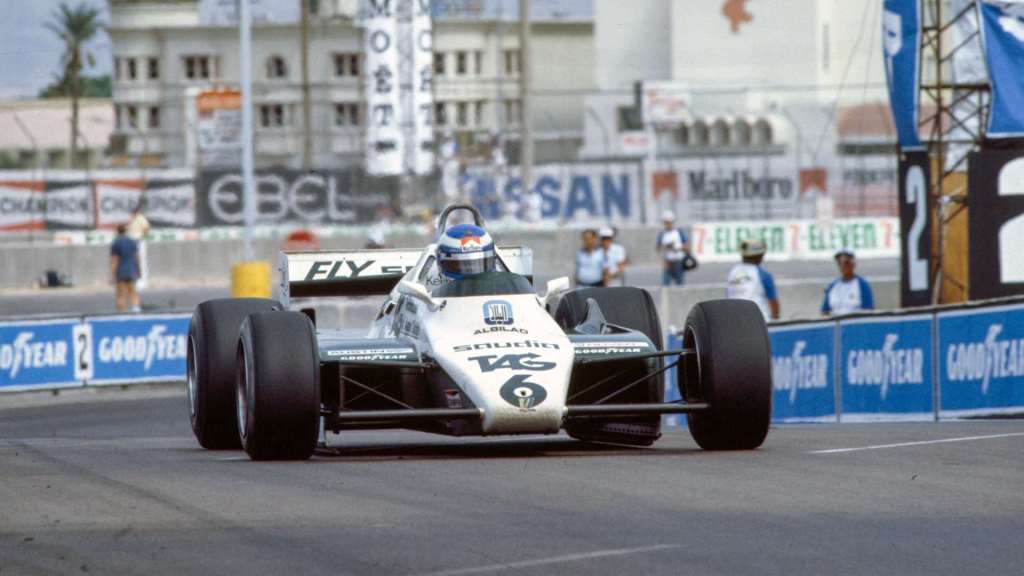
That didn’t stop Murray however, who returned four years later with the Brabham BT49 and its innovative cooling system. This time, it wasn’t the engine under scrutiny, it was the brakes. Brabham had fitted a water-spray system to the car’s rear brakes to cool them during the race and aid braking performance. That seemed plausible and the other teams seemed happy to let it slide. What they didn’t realise was that Brabham knew that the brakes didn’t actually run that hot and didn’t really benefit from the extra cooling, but once the water tanks were emptied the car would magically be a few kilos lighter than everyone else. Who could possibly have seen that coming? Well, Williams, actually, because they were running an almost identical system on their FW08 car. When both cars were inspected after the race, they were found to be hilariously underweight, and were both promptly disqualified.
Does all this mean that there’s going to be some foul play in this years F1 championship? Well, I couldn’t possibly say (at least, not without my solicitor present) but I would repeat the fact that the Mercedes of George Russell and Kimi Antonelli finished a full 13 seconds ahead of the next fastest car at last week’s Melbourne Grand Prix, and their engines have reportedly been running a MUCH higher compression ratio than everyone else, but hey, for legal reasons, I’m just speculating here. I’m sure time will tell…
(* Bugger)
 Project Petrolhead
Leave a comment