As much as I like watching billion-pound single-seaters hit warp factor 9 around floodlit Middle Eastern circuits as the world’s millionaires watch on, I’ve always preferred the lower echelons of motorsport, where the competitors wear familiar faces. They just feel more attainable. I know deep down that any McLaren road car I have the pleasure of driving resembles their F1 car in the same way that I resemble prime Arnold Schwarzenegger, but a Ford Focus fresh from the San Remo rally? You can see ten of those on a walk to the shops. And that brings me neatly onto the subject of today’s column. The golden era of touring cars; Super Touring.
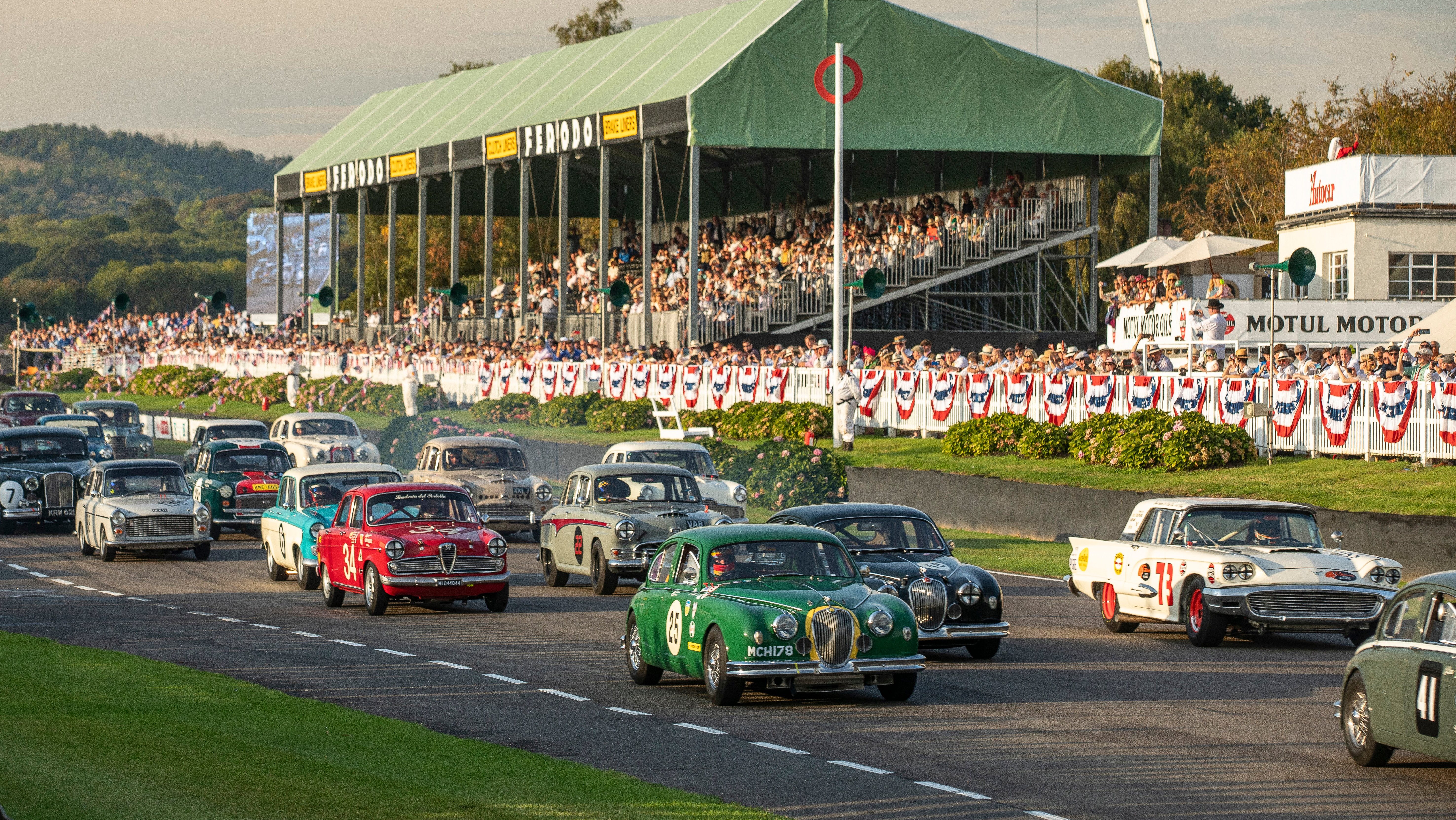
But first, a bit of history. In the 1950s through to the early 60s, Touring Cars was very much a grass roots motorsport, with grids filled with lightly modified saloons and coupes. Some lads would import big American V8 muscle cars, others would stick with small, agile Minis and Alfas. You can still see races like this today, with Goodwood running their annual Revival weekend in early autumn, but if you can’t wait until then, pop over to YouTube and catch a few rounds of the Goodwood St. Mary’s Trophy, and you’ll be treated to some of the best wheel-to-wheel classic racing on earth. As the years went on, Touring cars became more and more popular, bring both eyes and money into the sport. As such, manufacturers started to recognise that a successful motorsport campaign could be a powerful marketing tool, and they started to take things quite… seriously.
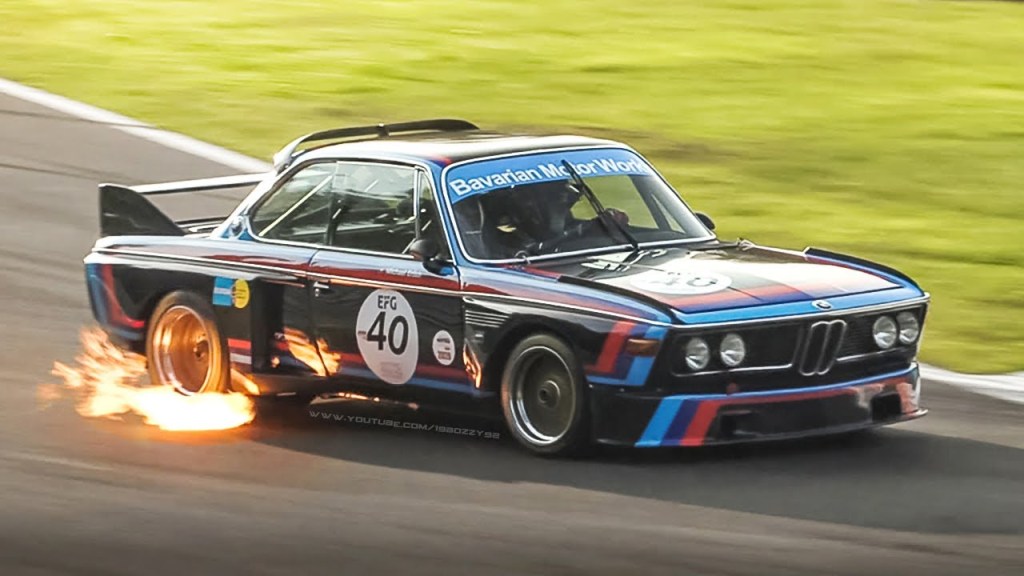
Group 2 – the touring car class that spanned from the mid-60s to the start of the 80s – started small, with manufacturers one-upping each other here and there. Ford would get Lotus to tune up a Cortina, Alfa Romeo would strip as much weight as possible from their crips-packet-light Giulia Sprint GTA, even the Muscle car lads got in on the action, with their big V8 land-barges now sporting rudimentary aero. But, as ever when there’s money on the line, things quickly went a bit mad. If you’ve ever seen a Ford Capri, Porsche 911 or BMW CSL pounding round a track with a fire-spitting engine and ridiculous bolted-on fibreglass wheelarch extensions and sky-scraping wings, then you’ll be familiar with late Group 2 racing. The cars were getting faster, more expensive and even further away from the road cars on which they were based, so the FIA decided that something had to be done.
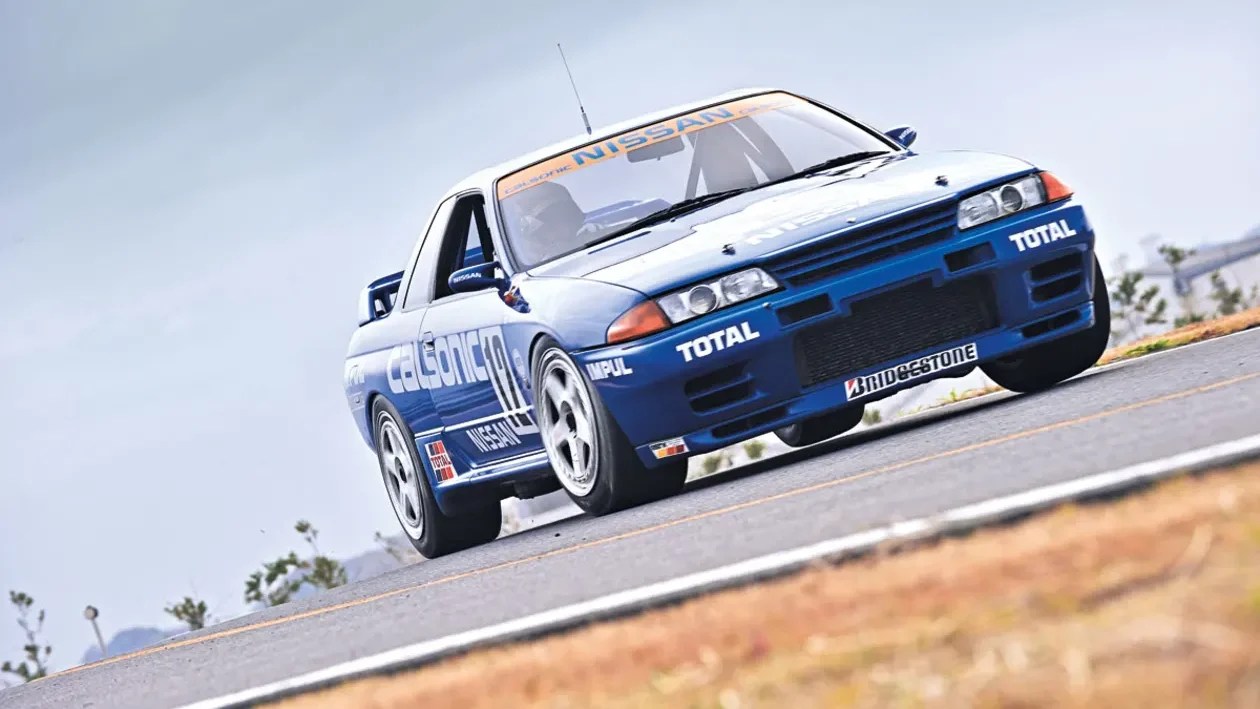
As with Rallying before it, it was decided that all Touring Cars would need to meet Group A regulations, with only minimally modified road cars able to compete and any significant changes needing to pass road homologation. This didn’t really help matters if I’m honest, as it just meant that manufacturers went out of their way to start developing stupidly quick road cars to base their racing cars on. Ford started the decade with the Escort RS Turbo – with far more power than the front tyres could handle – and ended it with the mad Siera RS Cosworth, BMW abandoned all pretence and gave us the thinly-veiled track car that was the E30 M3, Mercedes joined suit with the be-winged 190E Evo II, and Nissan finally broke the rulebook by turning up with their four-wheel drive twin-turbocharged R32 Skyline GT-R, a car that became so dominant that it earned the nickname of another Japanese destroyer of worlds: They called it “Godzilla”.
At the beginning of the 90s, another attempt was made to bring the field closer together with a new set of regulations. This time, cars had to be a minimum of 4 meters long (effectively limiting the field to saloon cars only), have engines no bigger than 2.0 litres, and while they could still use road homologation to bring in new parts, a minimum of 25,000 cars had to be sold, meaning that cars were sort of self-limited to only normal production machines. After the first few rounds of the BTCC however, another change was made. After Alfa Romeo turned up with a big-winged, deep-chinned aero-monster 155 and blitzed the competition, the size of non-standard aerodynamic devices was limited. It just goes to show, it’s not size that counts, it’s what you do with it.
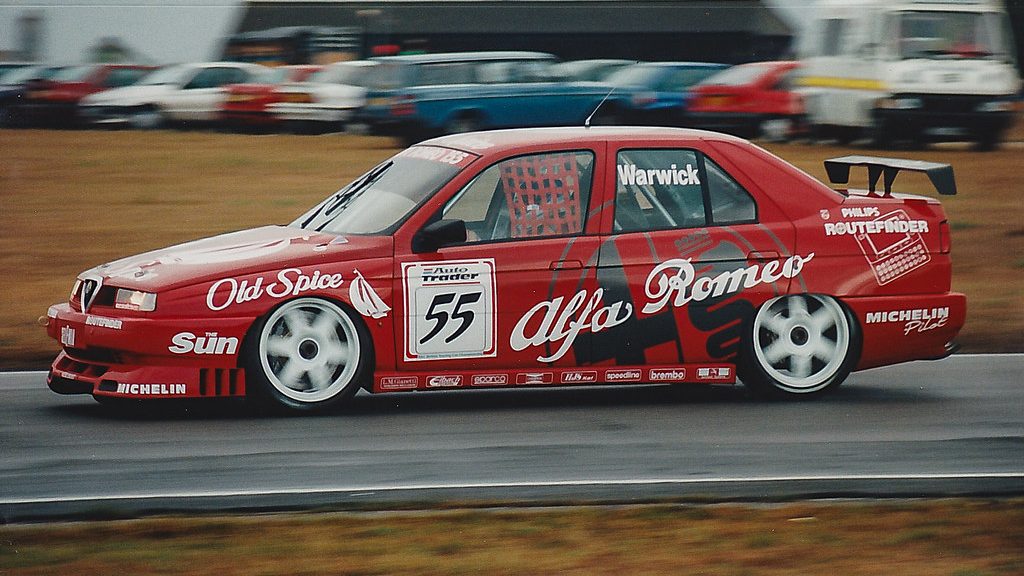
With the new regs set, battle could commence. Mondeo lined up alongside Cavalier, Audi A4, Volvo S40, Honda Accord and Nissan Primera, no it isn’t a 1996 supermarket car park, it’s some of the most thrilling racing you’ll ever see. While the cars might seem low rent, the teams were not, with manufacturers shelling out big money to attract world-class talent. Ford and Alfa Romeo had former F1 stars Nigel Mansell and Gabriele Tarquini, and Renault went one step further asking the legendary Frank Williams (of Williams F1) to manage their team, securing 38 BTCC wins during their tenure and becoming one of the most successful teams in the sport’s history. Outside of F1 royalty, touring cars also allowed home-grown talent to shine, with the old guard of John Cleland, Anthony Reid and Steve Soper facing against young upstarts like James Thompson, Matt Neal and Jason Plato.
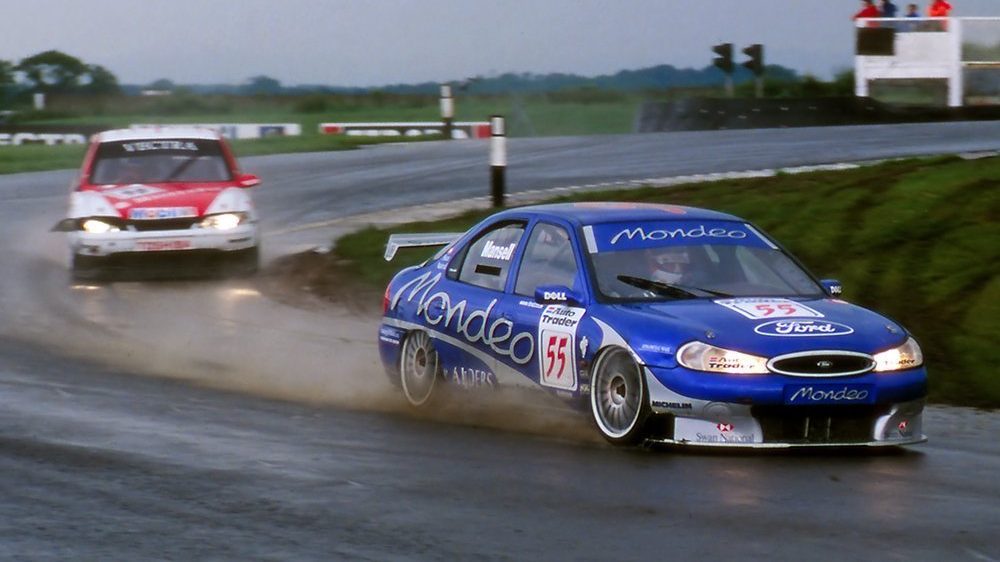
It seemed that everybody was out in force for Super Touring, not just the manufacturers and drivers, but the sponsors as well. Kwik Fit, Castrol, FINA, Securicor and Nescafe all had their names plastered up the side of racing cars, giving us some of the most iconic liveries in motorsport history. Then there was the coverage. Old Top Gear would bring in Tiff Needell to talk around his Nissan Primera or Honda Accord, Murray Walker was bringing his signature high energy to the commentary box, there were even video games, with Codemasters’ TOCA Touring Car series earning rave reviews on Playstation. It was the motorsport of the 90s. Accessible, fun to watch and with a fairly level playing field to keep each and every round interesting.
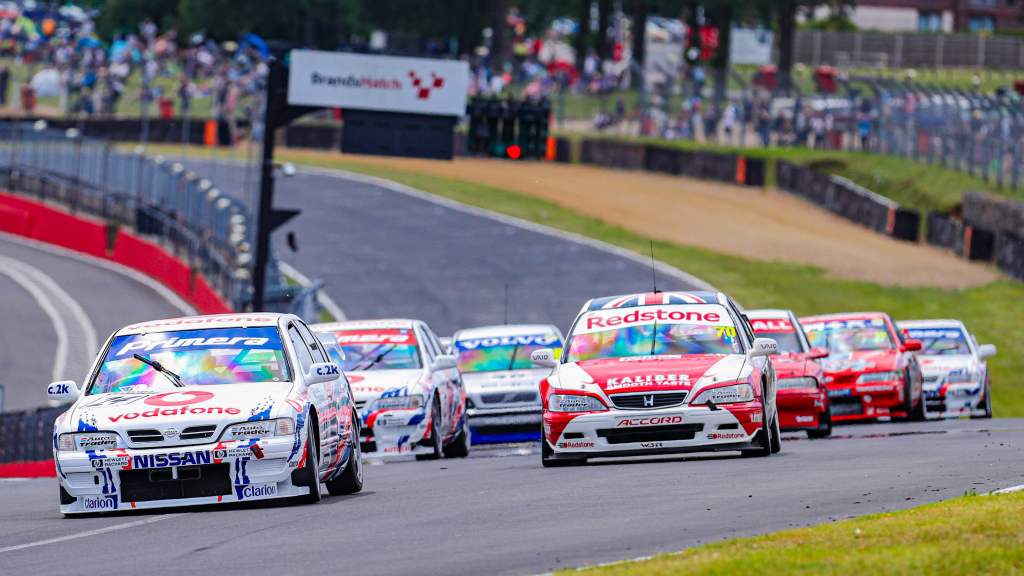
Sadly today, Touring Car racing is not quite what it once was. As with most of the bottom-end of the global motorsport calendar, the money has moved out, instead preferring the flashier circus and free advertising to be found elsewhere. I’ll miss the golden era of Super Touring. It felt like the last real everyman motorsport with recognisable cars and names tearing around smaller, local circuits that an F1 car wouldn’t be seen dead at, but most of all, it was a laugh. The racing was wheel-to-wheel and bumper-to-bumper, with stewards only breaking up the fight when it turned into an actual fistfight which, with hot-headed drivers like Neal and Plato, it often could.
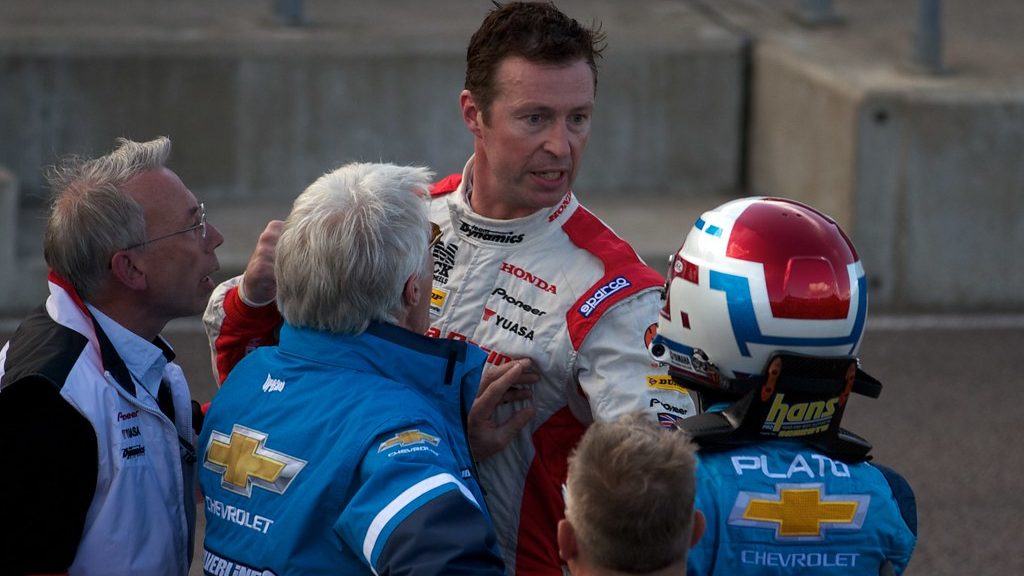
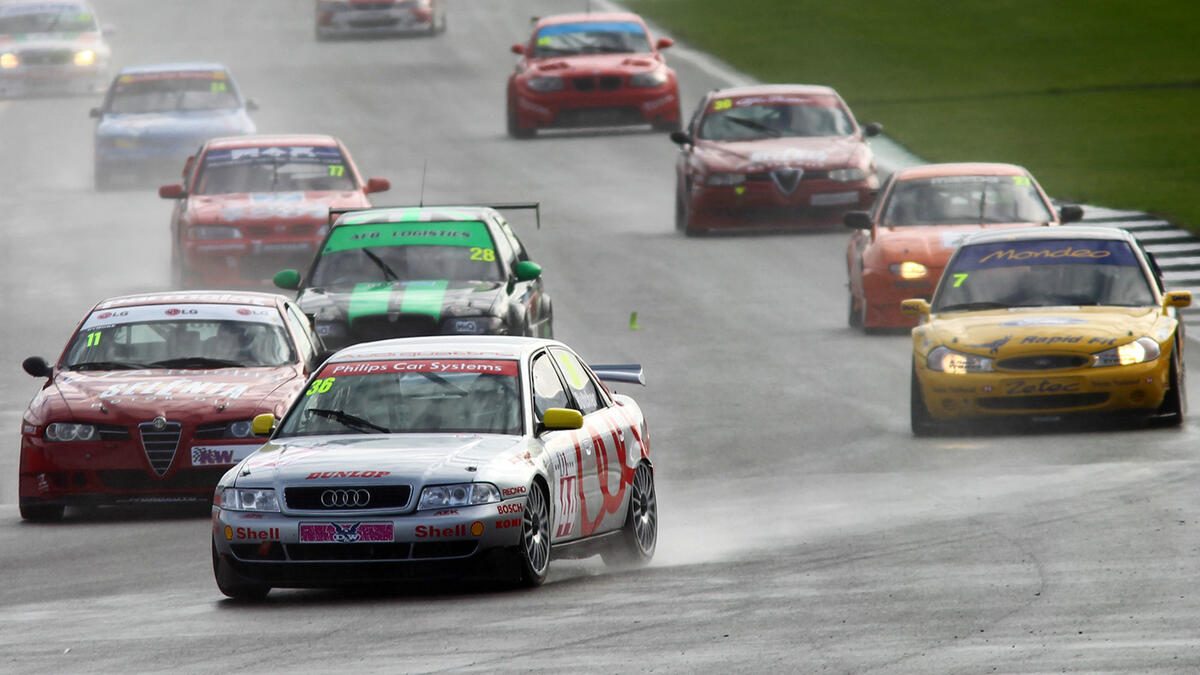
That photo isn’t actually from the Super Touring era, but I do find it hilarious. Like when a Chihuahua barks at a Doberman.
 Project Petrolhead
Leave a comment