Motoring rivalries come in all shapes and sizes. Audi versus Lancia, Ford versus Ferrari, Lamborghini versus Ferrari, Charles LeClerc versus the man who decides Ferrari’s F1 strategy, the list goes on. One of my favourite little rivalries took place at the start of the 2010s, when a bunch of lads from Surrey decided to beat Ferrari at their own game.
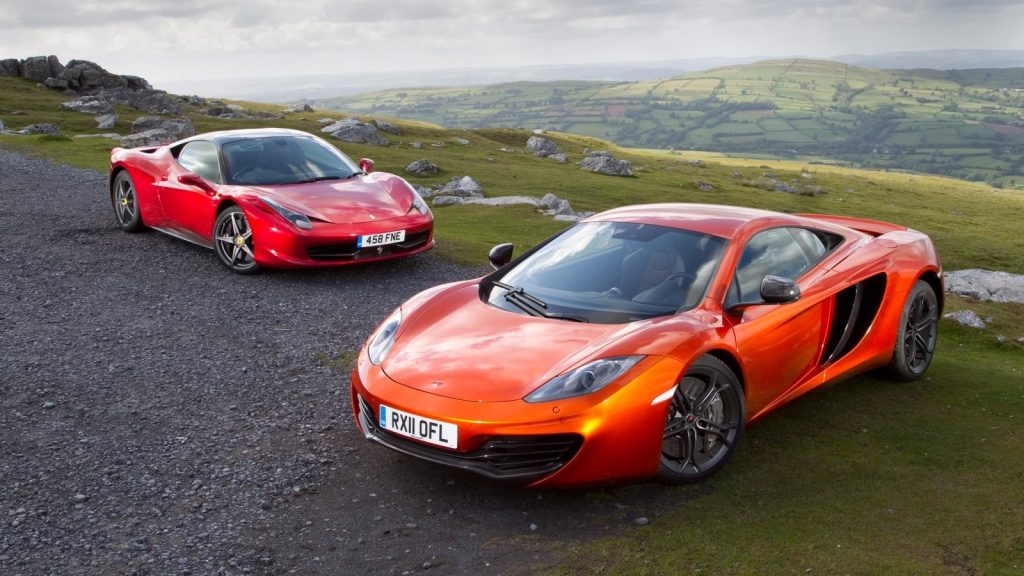
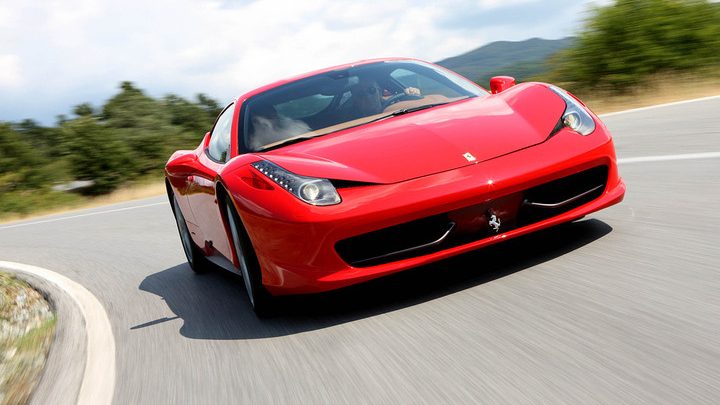
At the end of the 00s, Ferrari were hard at work designing the newest addition to their range. As a replacement for the aging F430, the car would need to incorporate cutting-edge technology with Ferrari’s usual soul and passion, creating a blend of old and new, analogue and digital, to create the perfect supercar. What they came up with was an icon of the performance world. The Ferrari 458 Italia managed to join a screaming 570 horsepower 4.5 litre V8 – one of the highest specific output naturally aspirated engines of all time – to contemporary Formula One technology, controlling that stonking power through a lightning-fast twin-clutch gearbox, multi-stage traction control and an electronically actuated limited-slip differential, and then clothed the entire thing in stunning Pininfarina design, creating what is still to this day one of the most desirable cars ever to hit tarmac.
Obviously, the Brits thought that we could do it better.
McLaren were in a but of a tight spot in 2010. Not only were they busy losing the Formula One championship but their road car partnership with Mercedes had come to a bitter end. That all changed however, when somebody found some old Mercedes design sketches left behind at McLaren’s Technology Centre. It seems the Germans had been sketching something called the “P8” – a mid-engined replacement to the Mercedes SLR that was supposed to have been powered by AMG’s jackhammer 6.2 litre V8 – and the designs seemed promising, so the project was picked up anew. Who to call to finish this Ferrari-beating supercar? Well, McLaren boss Ron Dennis decided it would be best to give designer Frank Stephenson a buzz, after all it was him who designed the Ferrari F430 in the first place.
With Stephenson working on the body, McLaren’s engineering team started work in earnest, buying an old Ferrari 360 and cutting it in half, removing the old Italian engine and fitting one of their own… Well, I say “their own”… To make a long story slightly shorter, in the 1980s, Nissan and Tom Walkinshaw (hello again) developed a 3.5 litre twin-turbo V8 for their Le Mans car – the Nissan R89C – a few years later, the blueprints and tooling for that engine was purchased by McLaren who partnered with British engineering firm Ricardo to re-design the engine for modern road homologation. The result, a 3.8 litre twin-turbo V8 now producing a Ferrari-demolishing 592 horsepower. To make it handle as well as it went in a straight line, McLaren decided the car should have a full Carbon-Fibre chassis – something the 458 didn’t have – and pioneered a new suspension system called ProActive Chassis Control. Essentially, each corner of the car had an independent hydraulic damper, with all four linked by a central control unit and no anti-roll bar. That way, if one wheel hit a pothole or bump, the other three wheels didn’t react to it, keeping the car more stable on rough roads, as well as allowing for moment-to-moment adjustments to the suspension firmness, keeping the car flat and agile in the corners. This was also helped by the McLaren’s Brake Steer system, that eschewed the traditional Limited Slip Differential for a computer-controlled system that used the rear brakes to control the slip of the rear tyres – points off from motoring journalists for not being able to slide the car, but for everyone else, a useful tool to keep your supercar on the straight and narrow.
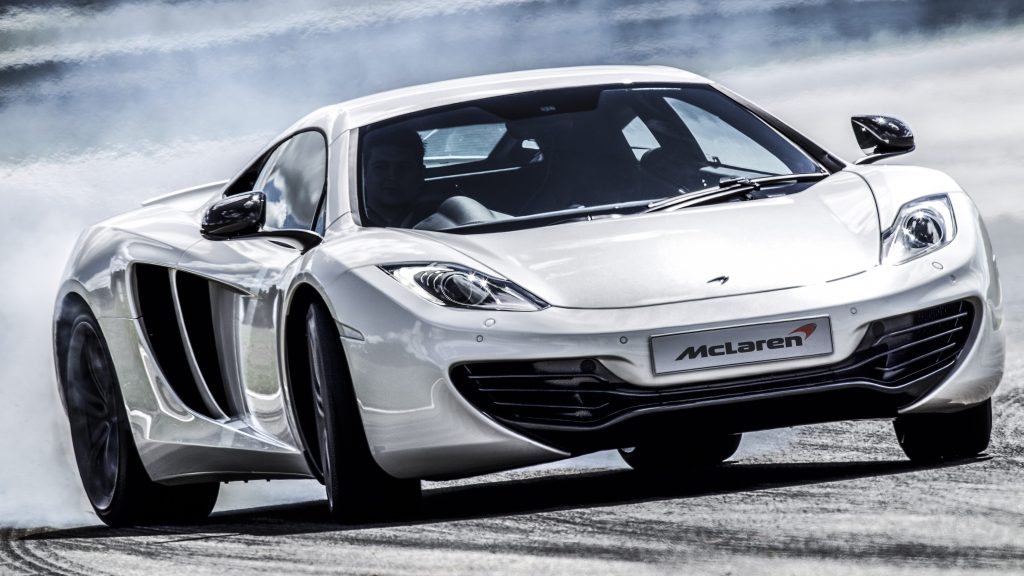
The finished car left Woking with the name McLaren MP4-12C, admittedly a terrible name that most people likened to the model number on a photocopier, and that sort of predicted the McLaren’s downfall. By every measurable metric – 0-60, lap times, fuel economy, top speed, ride quality, even the cabin noise levels – the MP4-12C was objectively better than a Ferrari 458, but that was sort of missing the point. People liked the Ferrari for the way it married technology with theatre, the crisp gearshifts punctuated by the howl of the V8, but the McLaren didn’t howl, nor did it slide, nor did it make big flames at 15mph in Knightsbridge, it was just too grown-up for that. The McLaren boys had been so focussed on making a better car than the Ferrari, they’d forgotten to make it a better supercar.
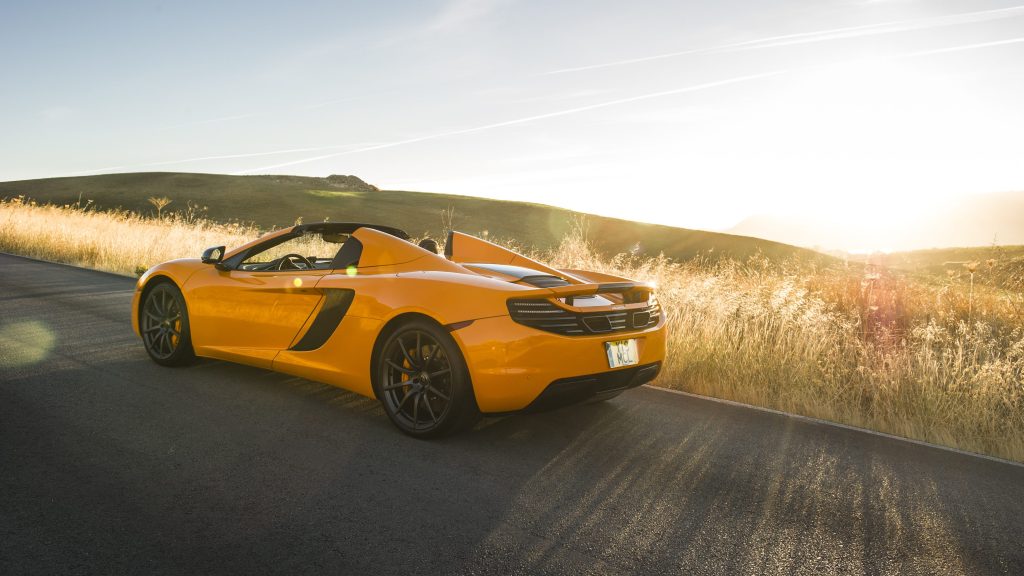
So, scrap the lot and go home? Not on your nelly. McLaren kept at it, quietly tweaking the car in the background. First, they dropped the “MP4” and renamed the car “12C”. Then they offered their customers a free engine upgrade from 592 horsepower to 616 horsepower, and then they kept going. By the time the 458 was reaching the end of its life, McLaren had reworked the 12C completely, taking the chassis and suspension wholesale, beefing the engine up to 641 horsepower and completely redesigning the body into the fantastic looking 650S. Publications at the time agreed that the 650S was the car the 12C should always have been. Not just miles faster than the Ferrari, but also just as good to drive, and just as good to be seen in.
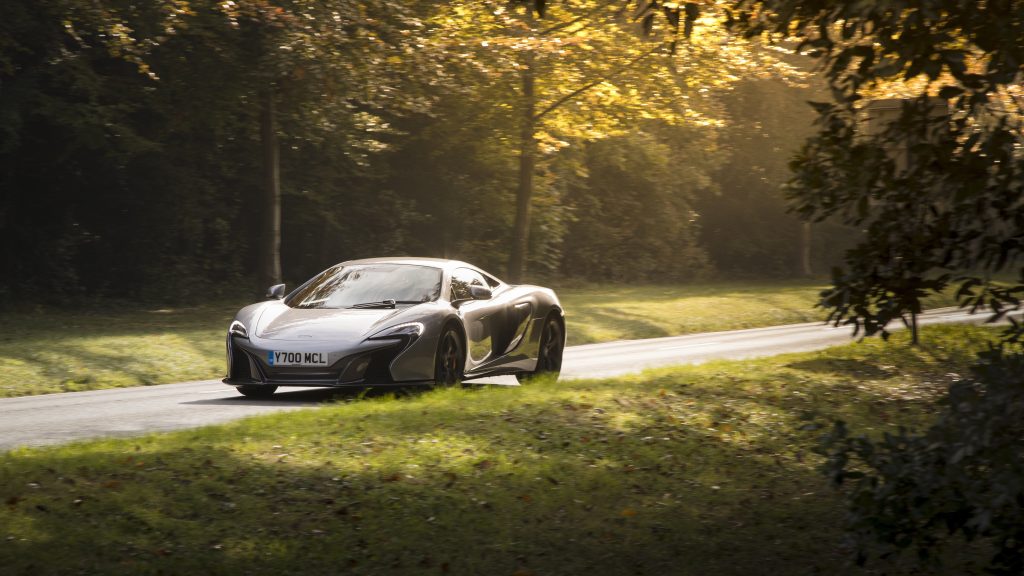
As a send off for the 650S, McLaren allowed their engineering team to go mad once again. With the aim of building a track-focussed monster, the team beefed up the engine to 666 horsepower (spooky), sharpened the steering, increased downforce by 40% and shaved 100KG from the kerb weight, even going so far as to fit a new system to the gearbox that, for a split-second, cuts the engine ignition between gearshifts to cut the shift times by 20%. While that just sounds like a lot of numbers, what the team actually did was bring the car to life. The McLaren 675LT (for Long Tail, it’s 1.3 inches longer than a normal 650S) was the culmination of all those years of development, delivering a spine-tingling driving experience to go along with the brain-melting numbers. 0-60 in under 3 seconds and a top speed of over 200 is lovely, but even nicer is the sound of the roof-mounted air intake and the blare of the titanium exhaust. Ferrari simply couldn’t compete. Their newest car – the 488 GTB – was suffering from the same faults as the 12C had all those years ago. Because of stricter emissions regulations, Maranello had been forced to scrap the gorgeous naturally aspirated V8 for an altogether less exciting 3.9 litre twin-turbo arrangement, which still ended up 6 horsepower down on the McLaren.
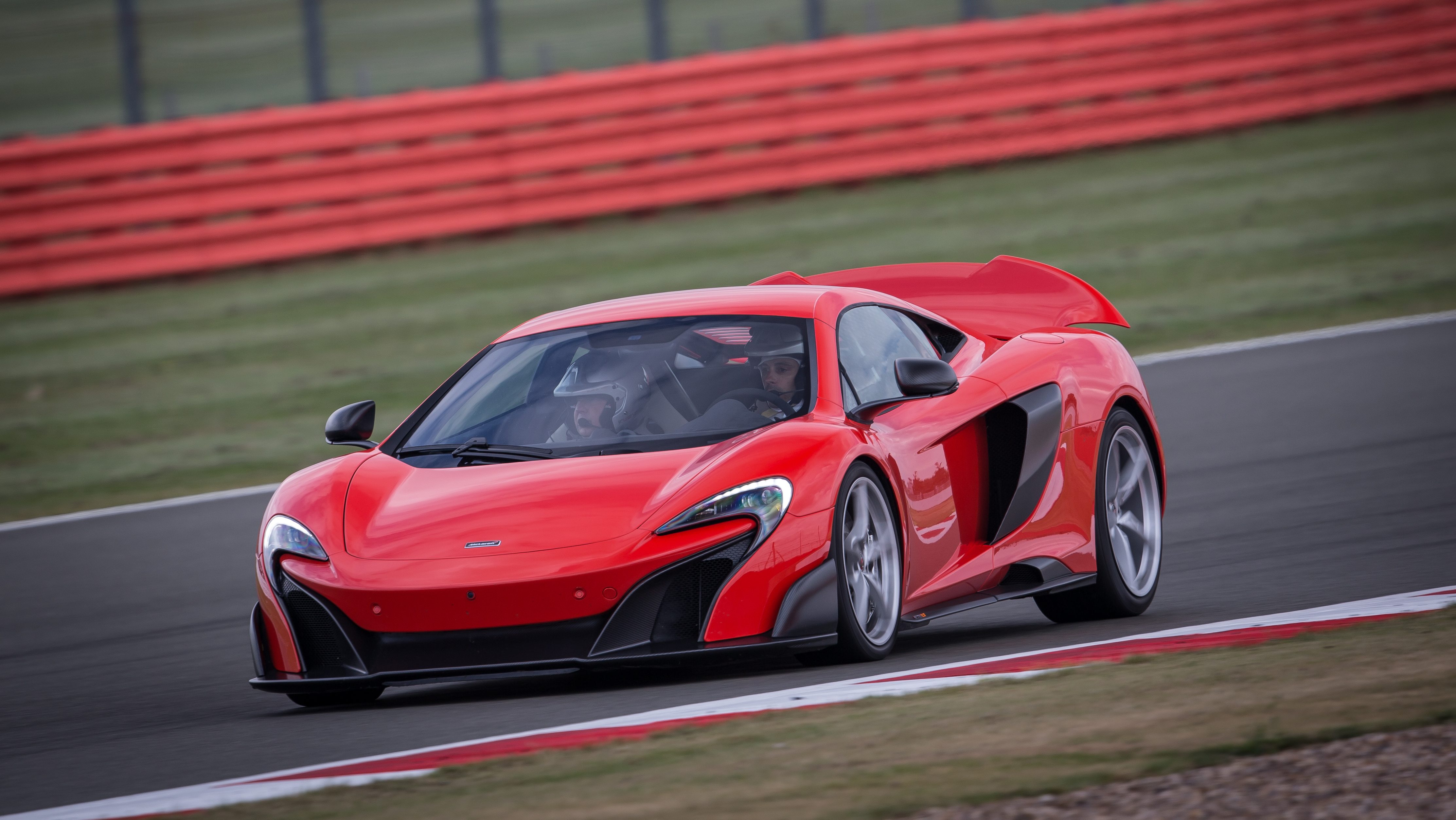
The verdict was damning for Ferrari. The 675LT earned rave reviews, becoming one of the handful of cars to earn a perfect 10/10 from Top Gear Magazine and a 5-star write-up from EVO, with critics praising the car’s playful nature and warp-speed capability. For me, the conclusion – even at the time – was simple: Not only was the 675LT one of the best cars on sale in 2016, it might just be the greatest car to come out of McLaren since the F1. It just goes to show that persistence can almost certainly lead to perfection.
 Project Petrolhead
Leave a comment