“It’s busier than Picadilly Circus at rush hour” – Tom Walkinshaw, 1985, recorded on team radio while piloting a Jaguar XJ-S around Bathurst at over 100mph.
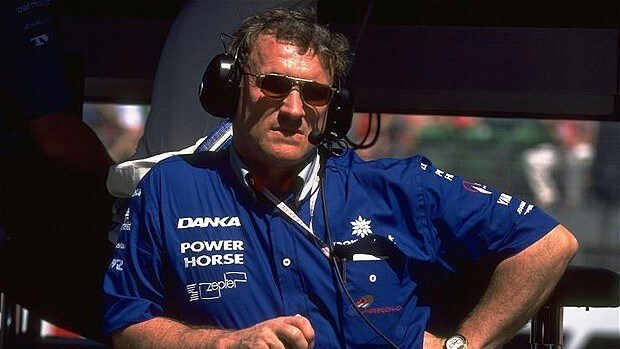
You may have heard the name Tom Walkinshaw crop up a few times in some of my previous columns. You may have heard me describe him as some sort of automotive Del Boy with an encyclopaedic knowledge of the rules and how to bend them, but I don’t think that quite does justice to the man who arguably had a hand in shaping a lot of Britain’s automotive culture in the 80s and 90s.
Born in Scotland in 1964, Walkinshaw would begin racing at the age of 22, first in an MG Midget and then in a Formula Ford, with the small open-wheeled single-seater sending him to a 1969 Scottish FF1600 championship victory, helping him to get his foot in the door at bigger companies with even faster cars. Unfortunately, in 1970, during a Formula Three race with March Engineering, Walkinshaw was involved in a crash and broke both his legs, putting a premature end to his Formula One aspirations. Undeterred, Walkinshaw kept racing, achieving a class victory in the 1974 British Touring Car Championship (BTCC) in a Ford Capri, and used that as a springboard for greater motorsport ambitions.
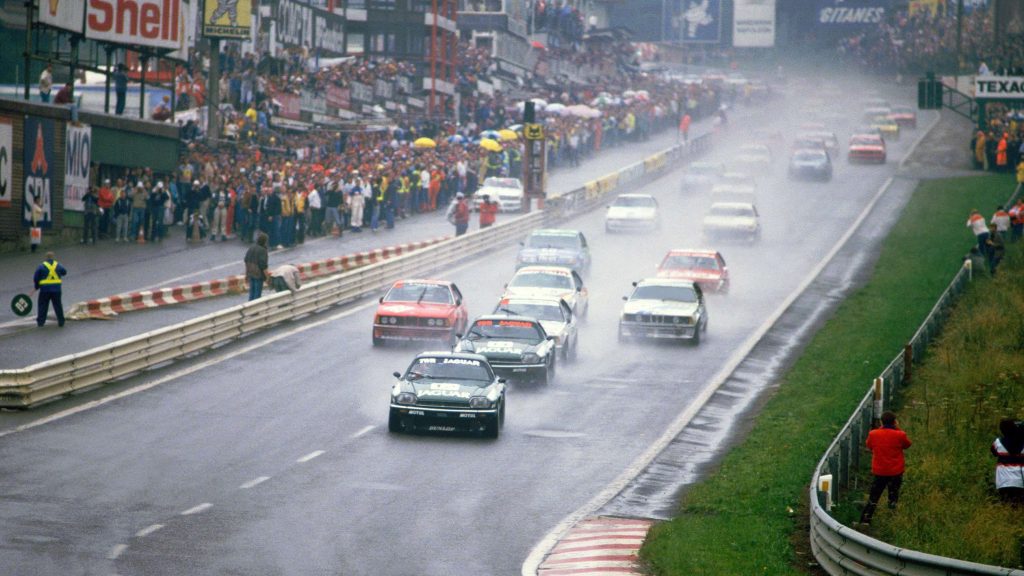
In 1976, Walkinshaw founded TWR (Tom Walkinshaw Racing) with the aim of building, running and driving his own racing cars, so that he didn’t have to worry about the humdrum day-to-day politics of motorsport, securing various drivers’ championship wins in 1976, 1980 and 1981 across both the BTCC and it’s European counterpart (ETCC, natch), and even building a winning car – a heavily modified Range Rover – for the legendary Paris-Dakar. In 1984, Walkinshaw himself would be back on top, taking the drivers seat for the 1984 European Touring Car Championship at the helm of the mighty V12 Jaguar XJ-S, and fending off heavy competition from BMW, Alfa Romeo and Ford to an overall championship victory.
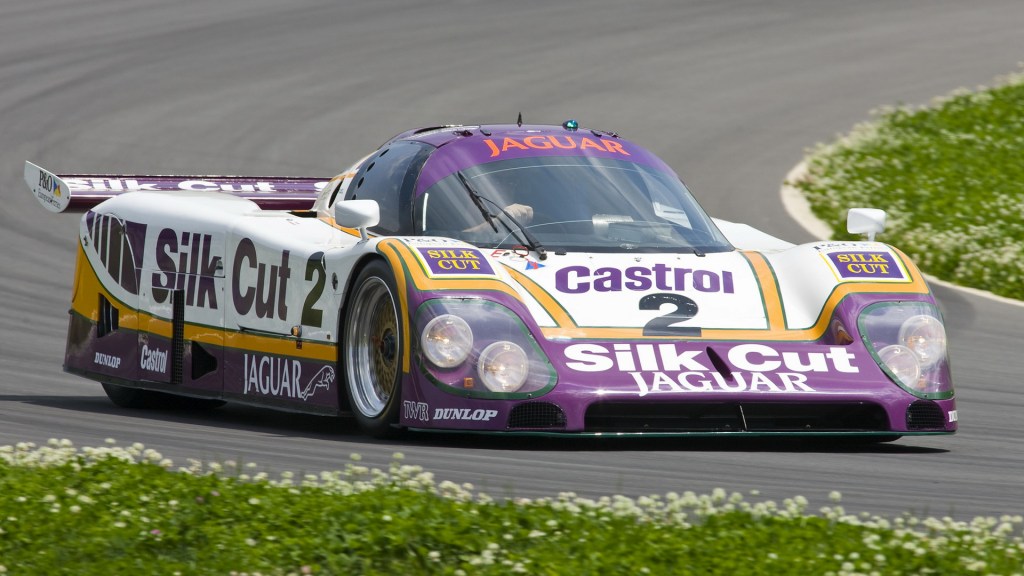
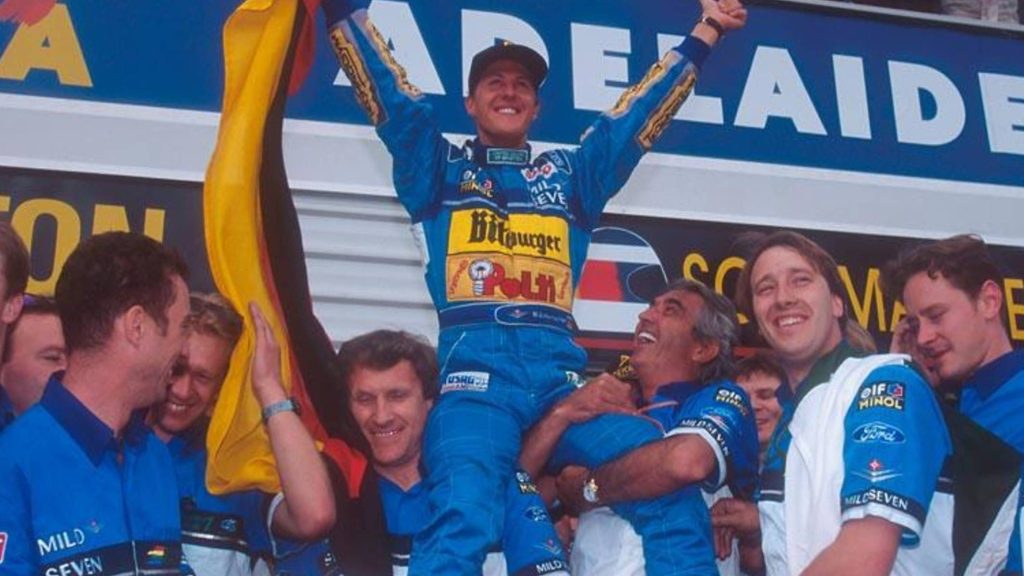
Developing a strong rapport with Jaguar during that season, Walkinshaw entered into partnership with Jaguar for the World Sportscar Championship and its signature race: Le Mans. Staring in 1985 with the XJR-6, the TWR team would develop the car extensively for two years, completely reworking the aerodynamics and suspension geometry and building an all-new 7.0 litre, 750 horsepower V12, before sending the revised car – now known as the XJR-9 – to Le Mans in 1988, achieving Jaguar’s first Le Mans win since 1957 (driven, of course, by previous Automotive Hero subject Andy Wallace), and took Martin Brundle to his first overall World Sportscar Championship win. With their name made at Le Mans, Walkinshaw then partnered up with the Benetton F1 team, becoming their director of engineering and proved instrumental in building their championship-winning car for 1994 and by proxy launching the career of a young up-start Formula One driver called Michael Shumacher.
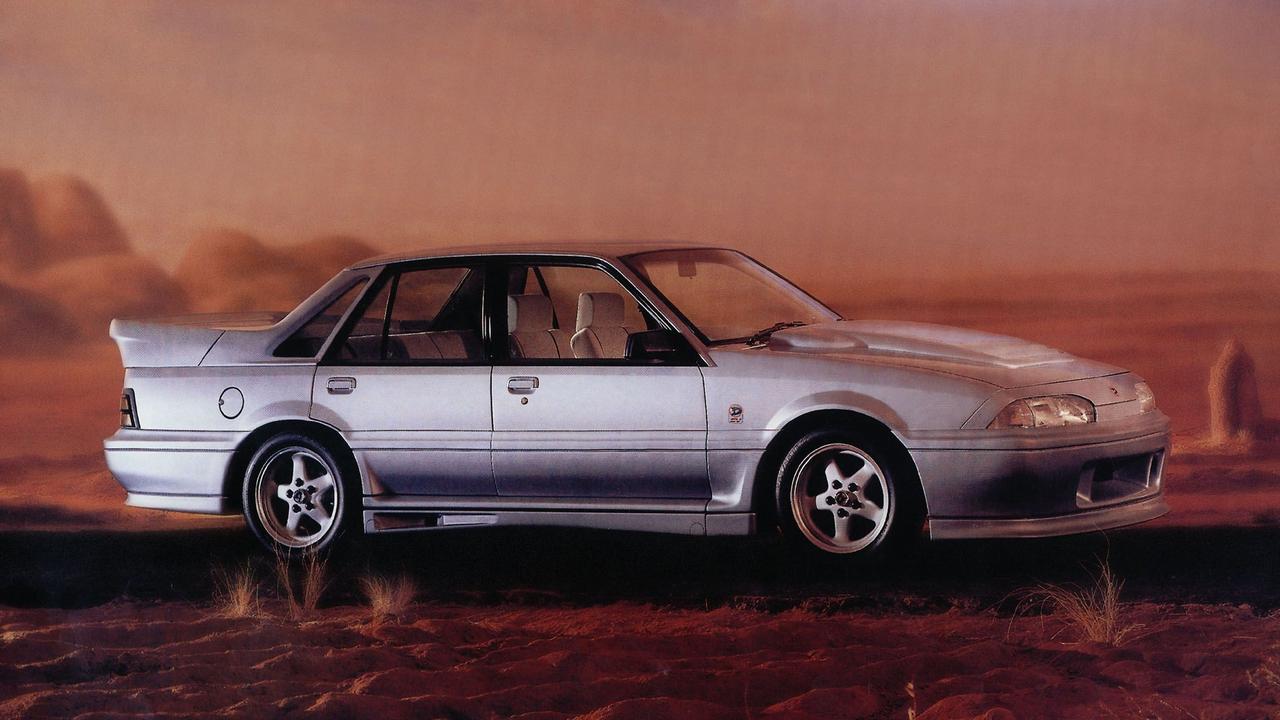
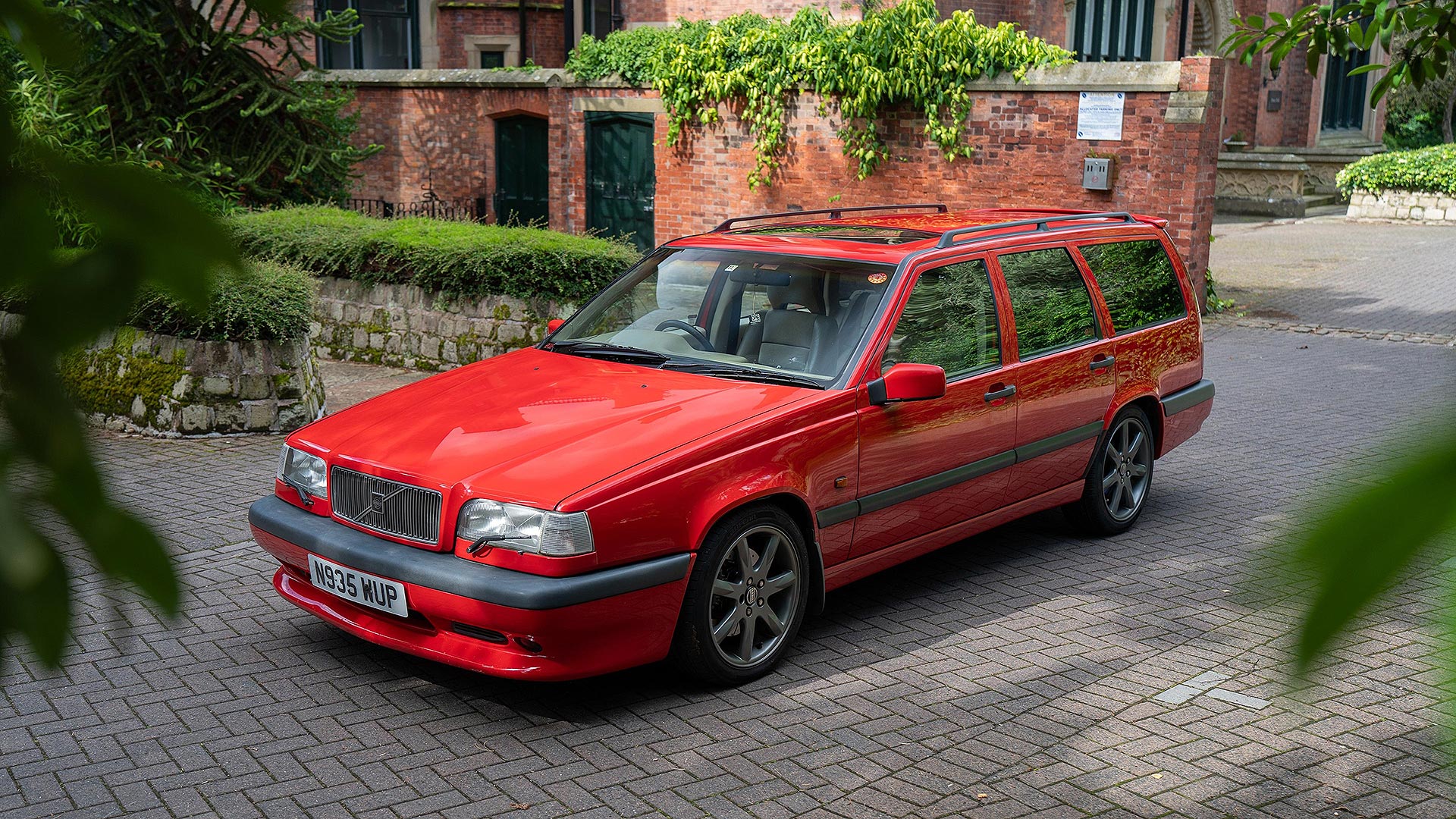
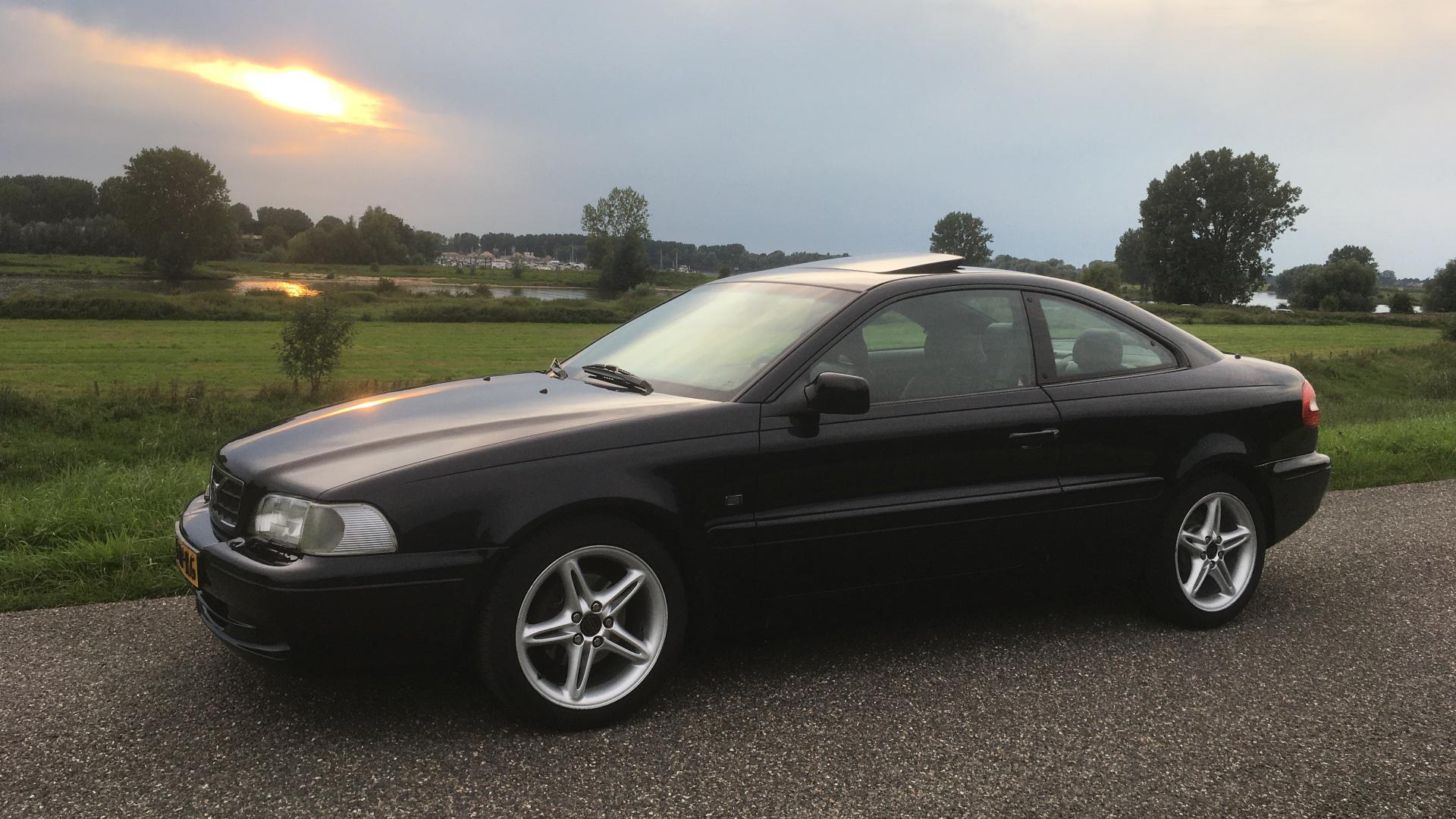
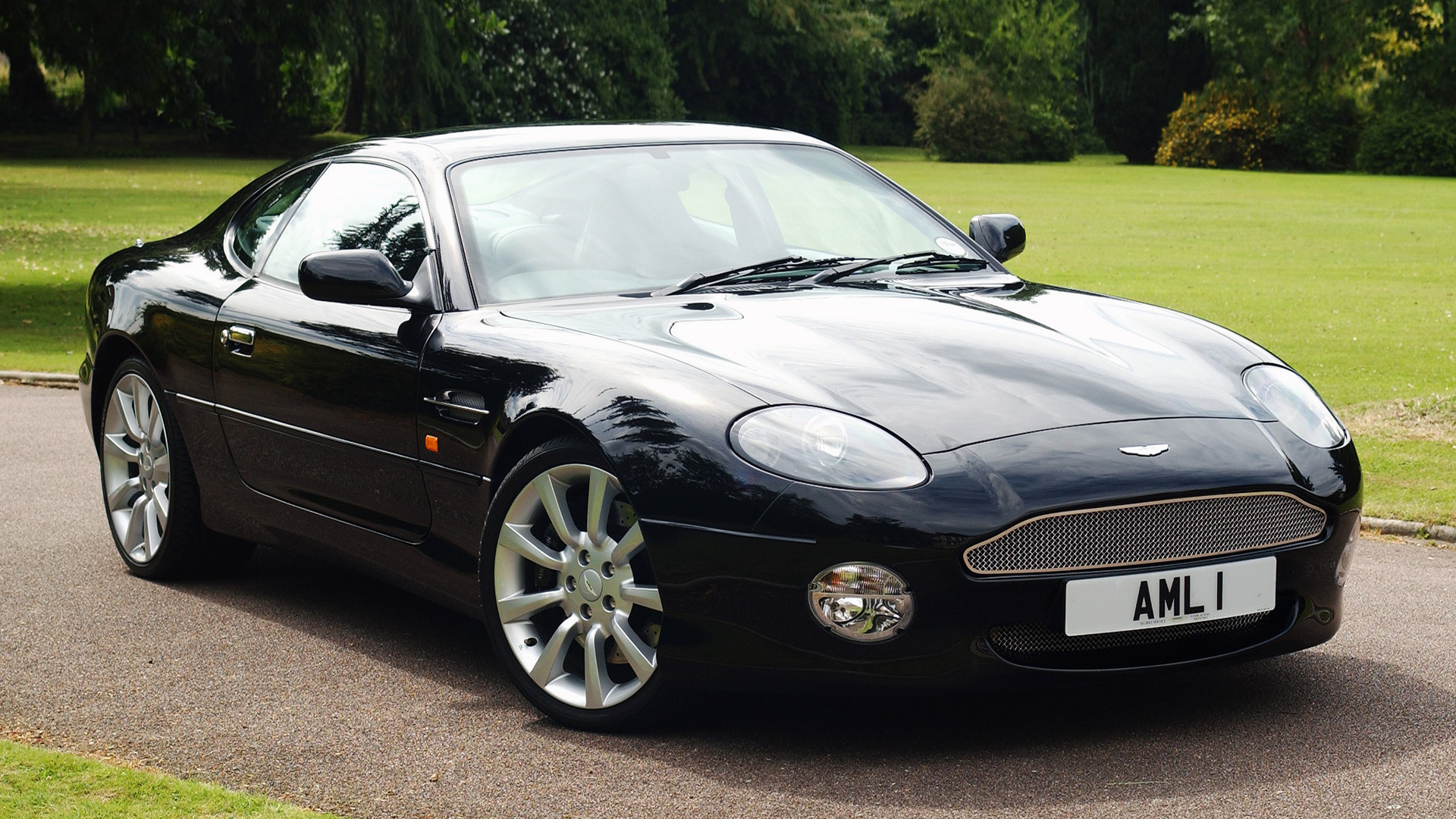
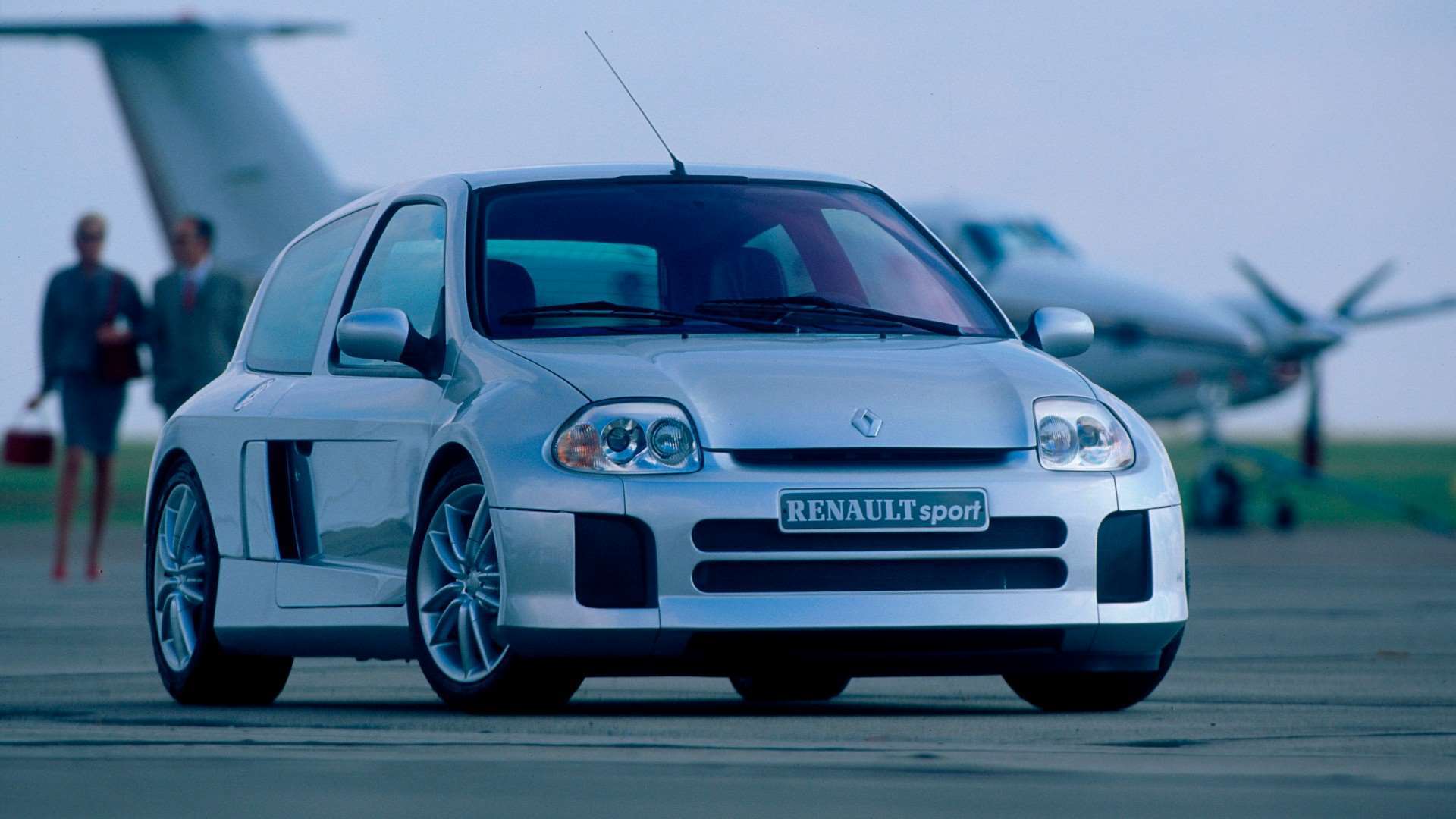
Around the mid-80s, Walkinshaw and TWR started to branch out into the development of road cars as well as racers. First with the Jaguar XJR-15 and XJ220 via a new venture named JaguarSport (more info for which can be found in last week’s column), but also with a number of other companies. During the XJ-S’s final race in Wellington, New Zealand, Walkinshaw met with the top brass from Holden and agreed to help develop a special edition of the VL-generation Commodore, with a tuned-up 5.0 litre fuel-injection V8 and redesigned bodywork, giving the Aussie saloon a ground-hugging stance with the muscle to match. Arguably more famous in this hemisphere, however, was Walkinshaw’s partnership with Volvo (again, one we’ve talked about at length before), revamping the image of Volvo from a builder of safety-conscious bricks to genuine motorsport contenders, building both the legendary 850 T5-R and latterly the underrated C70 coupe. In fact, quite a few manufacturers ended up sub-contracting TWR to design and build cars, with SAAB hiring them to develop the contemporary 9-3 and Aston Martin and Renault requesting that they build a run of low-volume cars at their factory in Bloxham in the form of the DB7 and Clio V6 respectively. To put it simply, you might not be familiar with the name, but chances are, you’ve seen one of Tom Walkinshaw’s cars on the roads at least once.
The fall of TWR came 2002, after Walkinshaw purchased, and was unable to turn around, the failing Arrows Formula One team. The TWR development facility was sold to Caterham, the Australian portion of the business was absorbed by Holden under General Motors, and Jaguar, Volvo and Aston Martin all parted ways with TWR to join forces under Ford’s ownership. Even after Tom Walkinshaw passed away in 2010, his name continued to live on in legend, not just as an F1 team boss or recognisable name, but as both an incredibly successful engineer and championship-winning racing driver in his own right, and there are few men who can claim that level of proficiency in this many aspects of motorsport simultaneously. As motorsport becomes more and more segmented, with F1 teams so self-absorbed that they completely withdraw from any other disciplines, and road car development now so tram-lined into homogeneity that everything has started to look and feel the same, it’s safe to say that there has never been anyone like Tom Walkinshaw since, and there probably never will be again.

 Project Petrolhead
Leave a comment