Did you enjoy New Years? I did. I did lots of driving, relaxing, and figuring out that toffee vodka pairs quite well with apple Tango. As we settle into the routine of a new year however, we must once again dip our toes into the pool of tradition, and bathe in the waters of want.
In other words – I’d quite like to buy another car again.
Oh yes, it’s one of those weeks again. What is it this time, a Bentley Limousine? Another unreliable BMW? Perhaps an Aston Martin with a severe drinking habit? Oh no, dear reader, it’s much worse than that.
As I was driving home from my parent’s house on Christmas Day, I found myself cruising down the A38 in my trusty Jag XK, when a pair of headlights appeared in my mirrors. Being a sensible sort with a modicum of lane discipline (something sorely lacking for a good portion of others, but that’s another column), I moved over to allow the faster car through. The thing was low and sleek, but with a mile-long wheelbase, like an automotive Vanguard-class submarine. It wafted past silently at first, but left the throaty gurgle of a V8 in its wake, brushing traffic aside with its sheer aura of menace. That’s no ordinary car, it’s a Jaguar XJR.
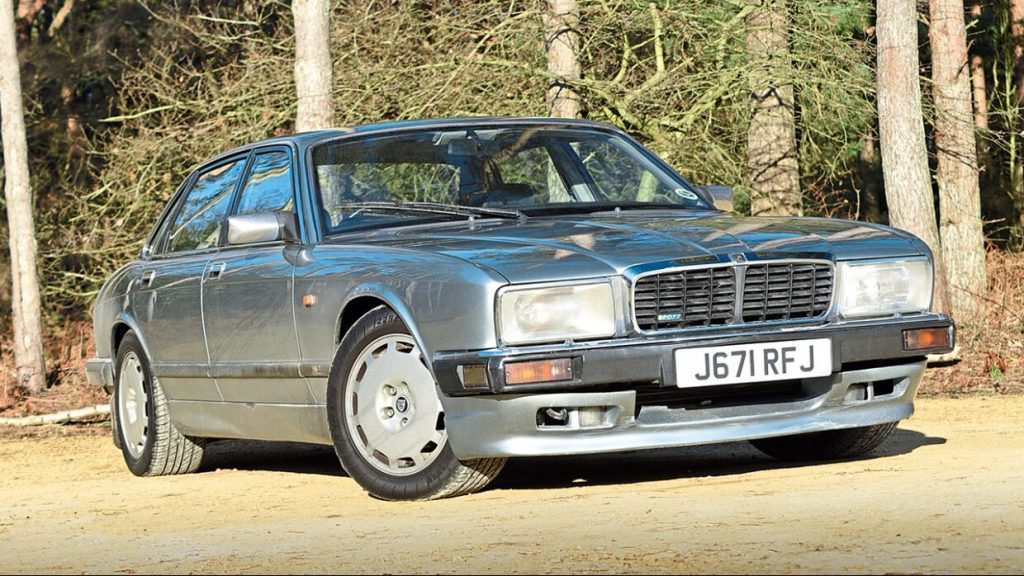
To give a brief whistlestop tour of the XJR timeline, the XJ was Jaguar’s flagship saloon, the top dog of the range, designed to go toe-to-toe with the Mercedes S-Class and BMW 7 Series. Rolling off the production line in 1968, the Series 1 XJ paired luxury with underpinnings derived from Jaguar’s sporting efforts, utilising the same engine and rear subframe that had been developed for the E-Type. But it wasn’t until three generations later, with the XJ40 of the 1980s, that the letter “R” would begin to appear. After securing a European Touring Car Championship in his Jaguar XJ-S, racing driver and general automotive gadabout Tom Walkinshaw entered into partnership with Jaguar, releasing tuned versions of their cars under his JaguarSport label, with hotted-up versions of the XJ-S and XJ40 leaving his workshop with more powerful engines and new names; XJR-S and XJR respectively. Nobody really knows exactly how many TWR XJRs there were as, in addition to the properly built 4.0 litre 248 horsepower cars, Mr Walkinshaw would also sell punters the body kits to fit to their own cars, so the few real XJRs have now achieved unicorn status for those in the know.
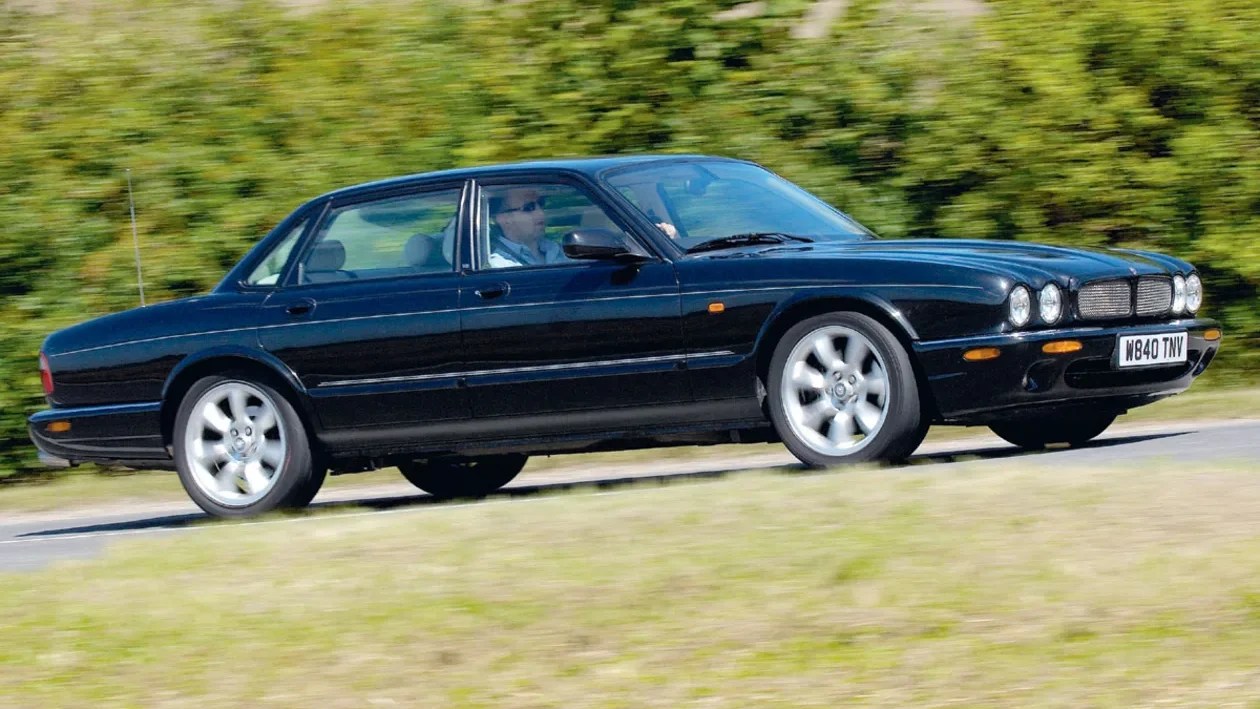
Keen on the idea of rolling a performance saloon into their everyday range, Jaguar themselves carried on the XJR legacy, first with the supercharged straight-six X300, but far more notably with the arrival of the X308, for that car was the first XJR to arrive with it’s iconic supercharged V8. Low and mean, the X308 XJR looked like it was a sideways glance away from knocking over your pint and punching your teeth in, really harking back to Jaguar’s legacy for building cars for villains. A few years later, the XJR was bought forward to the 21st century with the arrival of the X350 generation. The last of the classic-looking Jaguars, penned by Geoff Lawson before his untimely death, the X350 was certainly old-school on the surface, but under the skin, the XJ was bang up-to-date, with all multi-link self-levelling air suspension and, while the interior space increased, the weight dropped around 10kg from the previous generation thanks to the use of an all-aluminium bodyshell. Add that to the extra power from the now 400 horsepower 4.2 litre supercharged V8, and you have a luxury barge that can crack 60mph in just 5 seconds.
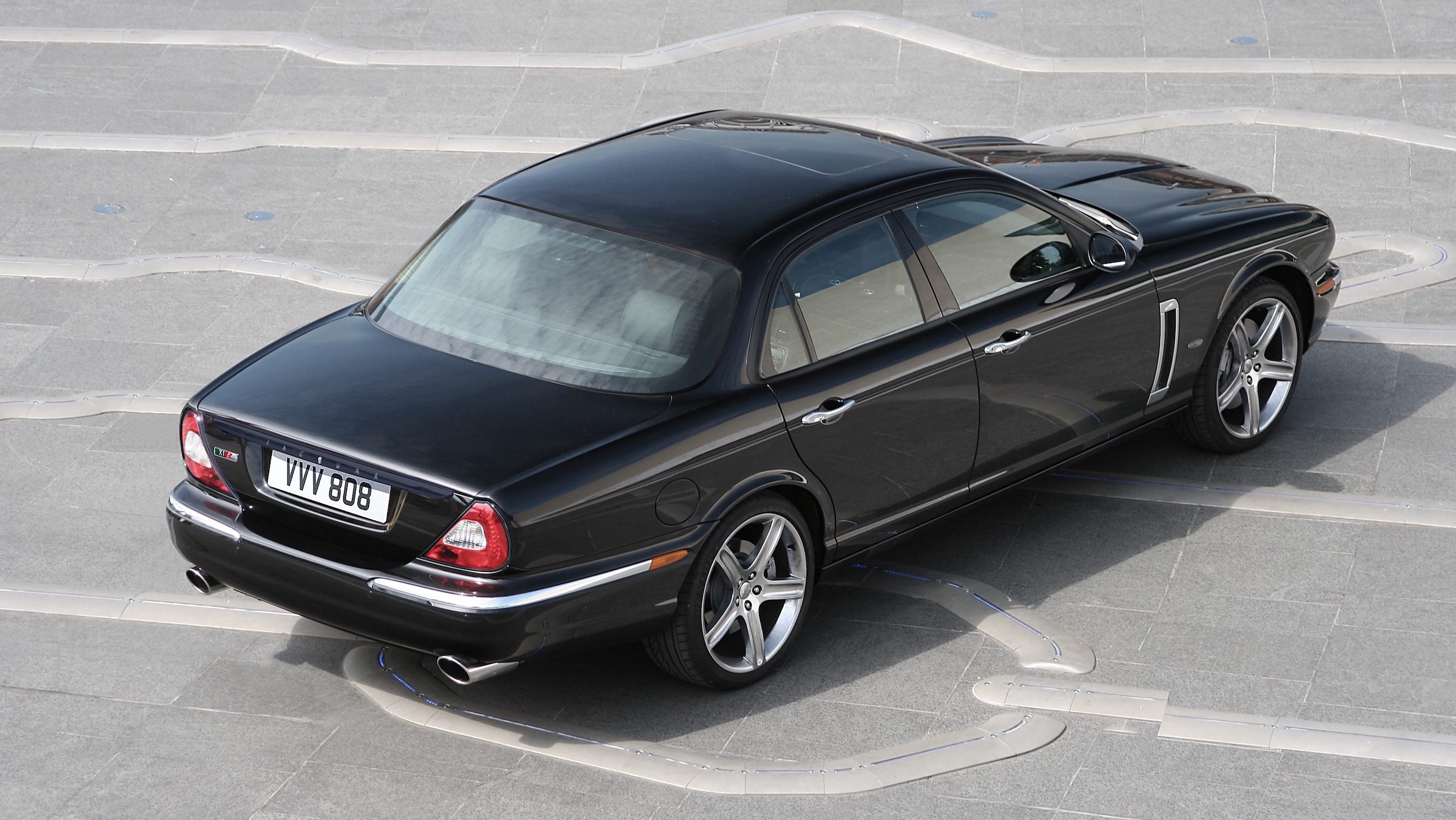
It was an X350 that flew past me that night, and the car I have been lusting after ever since, especially since I found out that used examples tend to sit around the £7,000-£15,000 mark, right in line with the budget I’d had in mind for my next set of wheels. Unlike the later 5.0 litre V8, the earlier 4.2 doesn’t carry the same reputation for unreliability, with some examples easily sailing beyond 150,000 miles, so as long as one takes care of their car – and a buyer has the service history to prove it – I don’t see why they wouldn’t keep on trucking to 200,000 and beyond.
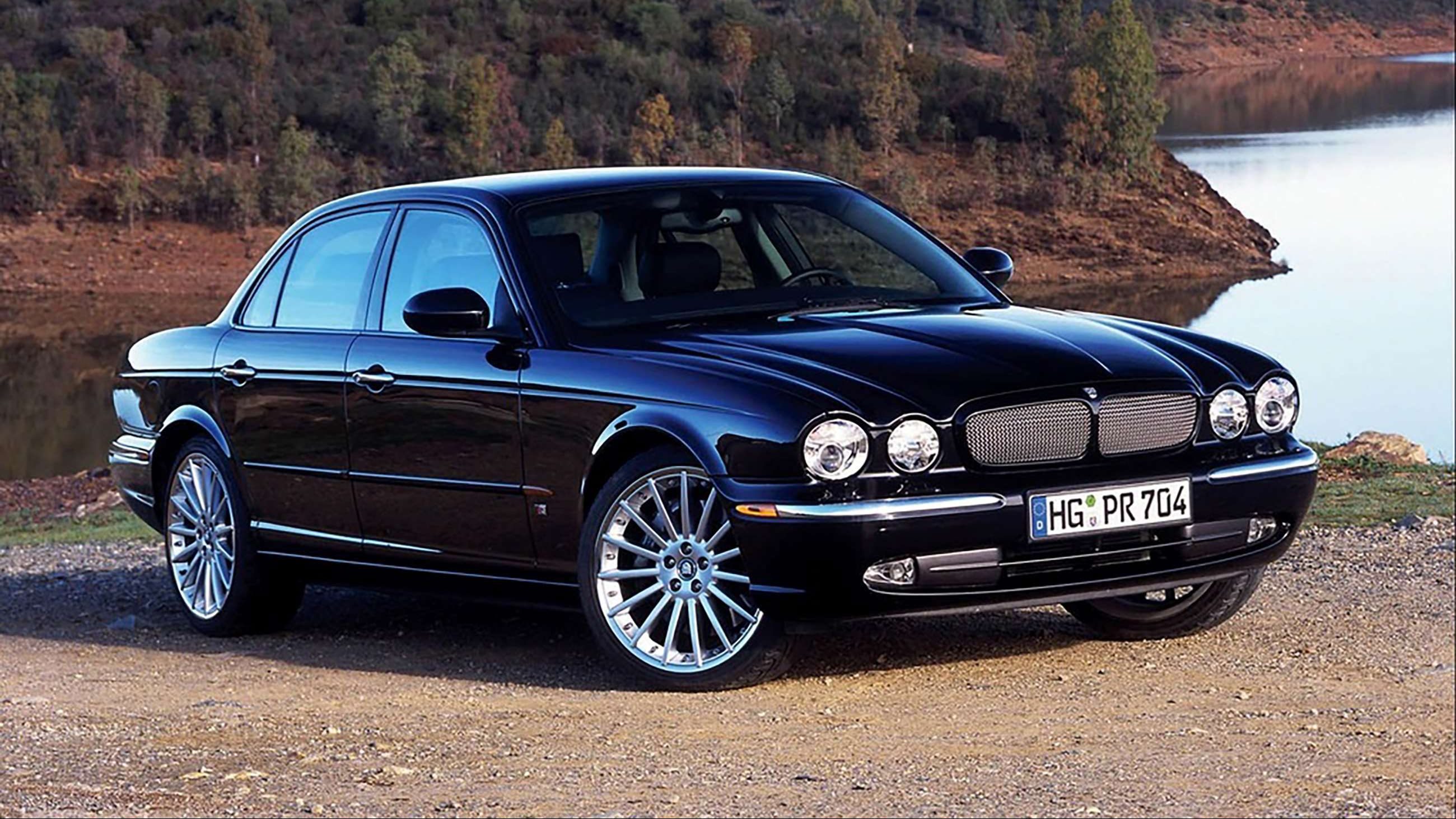
Editor’s Note: After writing this column, I popped to the shop for a loaf and a bottle of milk and what should I find in the Morrisons car park? Good lord, the XJ is such a good looking car in the daylight. Even as I type this, I’ve got an AutoTrader tab open on my other screen. Who knows, this year might be the year…

 Project Petrolhead
Leave a comment