What do the McLaren F1, the Aston Martin DB9, the Mercedes CLK GTR, the Lotus Elise and the Maserati MC12 have in common? Not only have I had pleasant dreams about driving all of them on the Amalfi coast, but they all raced in arguably the greatest racing class of all time. Between 1993 and 2009, the FIA (the big-wigs in charge of all international motorsport) decreed that the competitors of the upper echelons of endurance racing should be based on production road cars the ordinary people could buy. This became known as GT1-Class.

In the early days, the competitors were about what you’d expect. If you wanted to compete, you stuck a roll-cage in a Toyota Supra or Nissan Skyline, if you wanted to do well, you bought a stripped-out Porsche 911 and if you wanted to win, you bought a race-prepped Ferrari F40, but then came the era of domination. Convinced by Le Mans winner John Nielsen that his “ultimate road car” could work just as well on circuit, Gordon Murray allowed his team to modify a McLaren F1 to GT1 specification. The resulting McLaren F1 GTR absolutely owned both the FIA GT championship and the BPR GT series in both 1995 and 1996, prompting a swift and aggressive response from the other competitors.
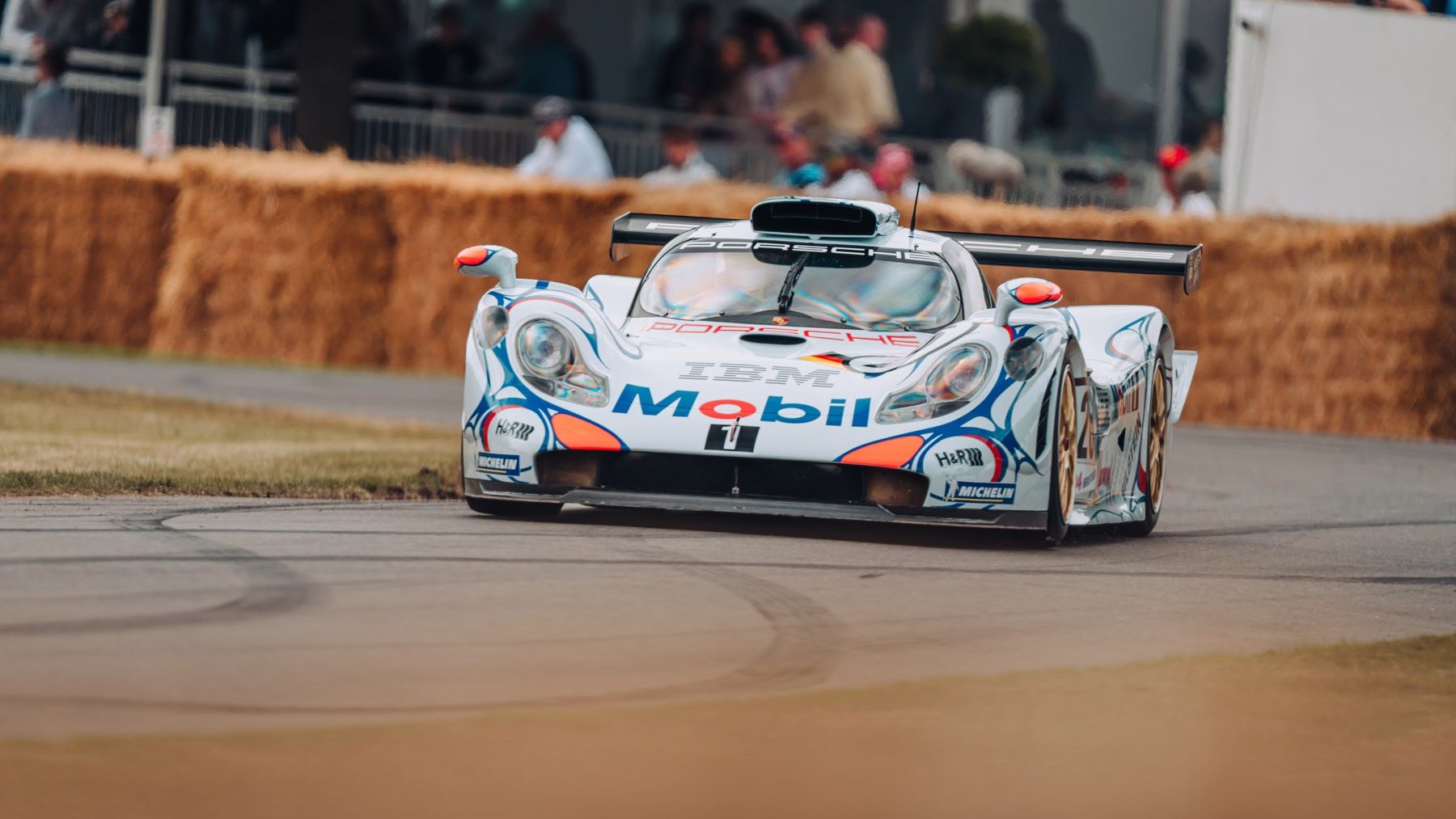
Debuting in 1996, Porsche’s riposte would come in the form of the 911 GT1, a complete Frankenstein of a car. Effectively a cut-and-shut that married the front half of a normal 993-generation 911 with the back half of the 962 (to that point, one of the most successful Le Mans cars in history) the 911 GT1 barely looked like the road car it was derived from and, to this day, remains the only mid-engined car to be badged “911”. But Stuttgart’s race-reject hack engineering was just enough to topple the might McLarens as they managed to romp to Le Mans victory. McLaren were not pleased.
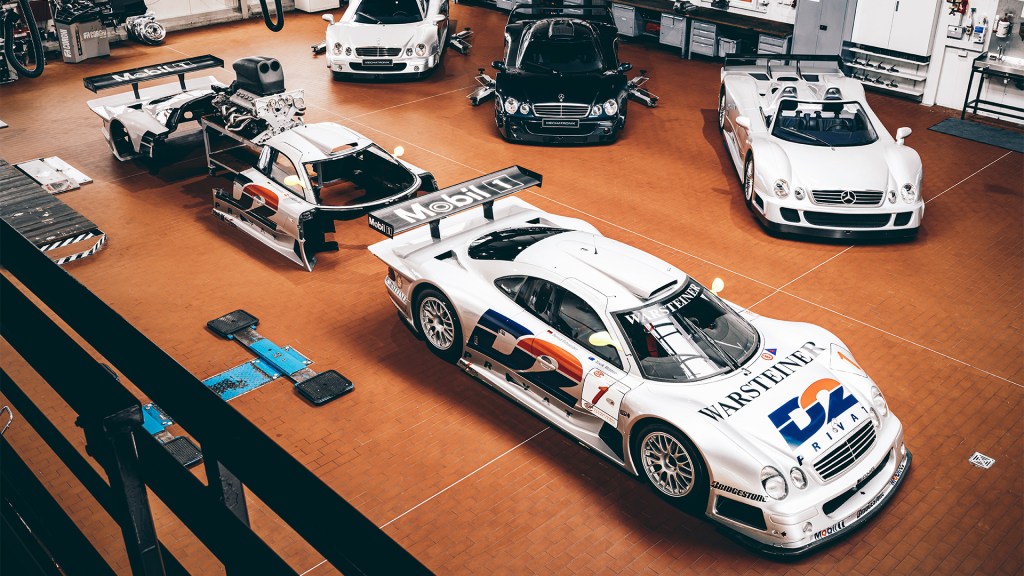
While Woking made changes to their own car (turning the F1 GTR into the F1 GT “Longtail”, lowering the nose and extending it’s rear for better aerodynamics and a higher top speed), Mercedes-Benz were making their own manoeuvres for motorsport success. Without McLaren’s knowledge, Mercedes engineers purchased an F1 GTR from the Fabien Giroix Racing team, stripping it down to reverse-engineer it’s chassis and rebuilding it with a couple of small differences. Returning to the track with tweaked bodywork, chassis number #11R now sported a new engine. No longer the BMW-developed 6.1 litre V12, but now a 6.0 litre V12 of Mercedes’ own design. Where other manufacturers had turned road cars into racers, Mercedes-Benz worked backwards, building the perfect racing car and then haphazardly homologating it for road use. So blatant was the disregard for the “road car” aspect of the GT1-Class rules, the street versions of Merc’s racing car, dubbed Mercedes CLK GTR, only shared one single part with the normal CLK (the headlights), required the removal of the steering wheel in order to get in, and cost so much to produce that they were sold at a whopping $1.5 million apiece, claiming the Guinness World Record for the worlds most expensive production car, a title it held until 2015.

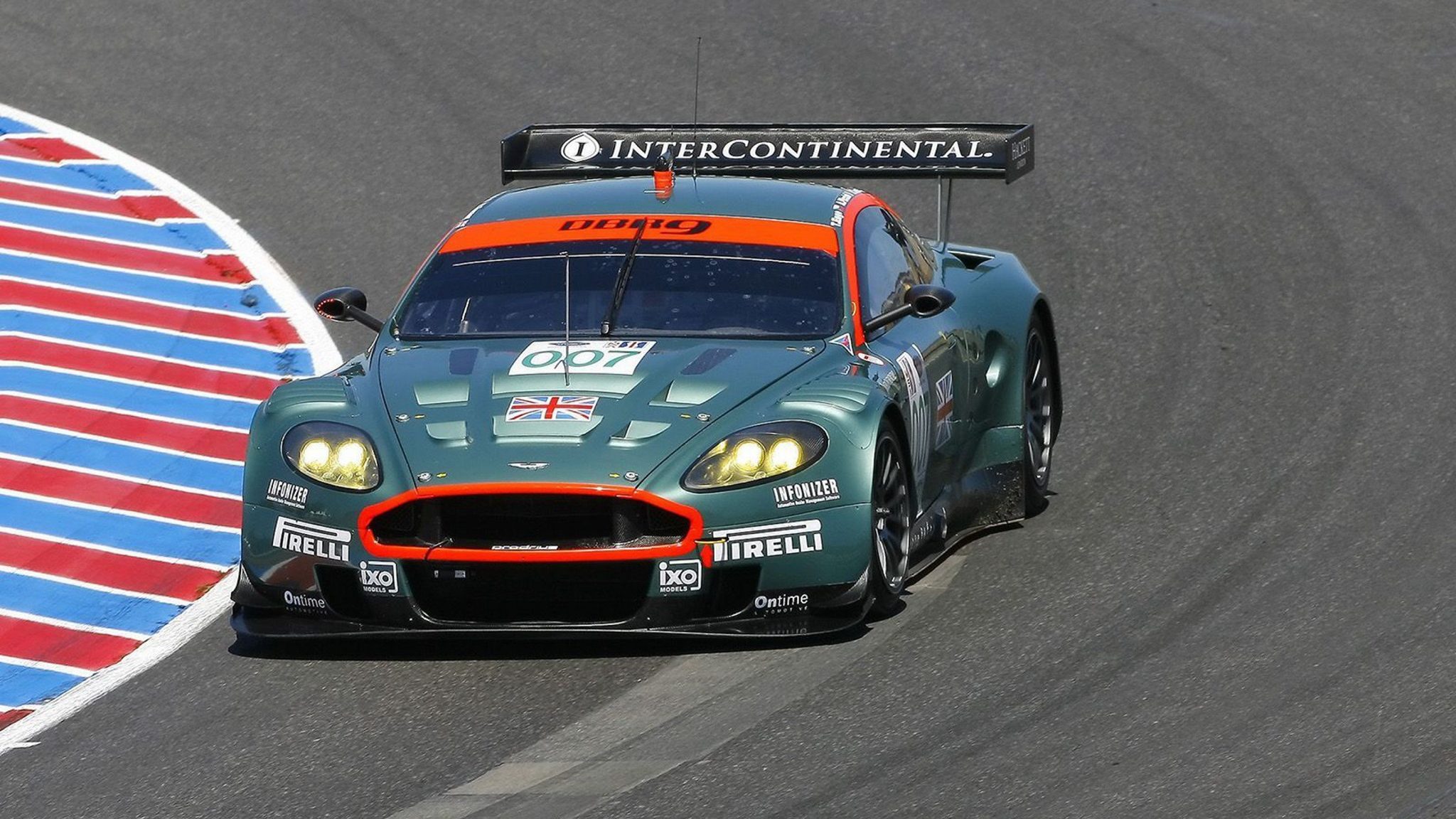
Following the domination of Mercedes in 1997 and 1998, all other manufacturers quit GT1-Class in protest. Faced with the prospect of having to run Le Mans with only Mercedes competing in 1999, the FIA decided to axe GT1 entirely, instead raising the performance ceiling on the GT2 sister class, allowing lesser racing cars the opportunity to go faster. In the early 00s, GT1 class would make somewhat of a return. Now called GTS-Class and featuring tighter restrictions on what does and does not constitute a road car, this shake-up of the regulations saw even more cool racing cars, with Aston Martin entering their DBR9 (which raced under number #007, fnar-fnar), Lamborghini building the Murcielago R-GT and Maserati rounding out the top spot with their Ferrari Enzo derived MC12 GT1.
For me, these cars represented the last hurrah of possibly the greatest period of motorsport, with recognisable silhouettes putting our unthinkable performance, with no mind paid to noise regulation or paddock politics. That’s why I’m so glad that GT1 is making yet another return with LMH (or Le Mans Hypercar) class drawing in the likes of McLaren, Aston Martin and Ford to build top-of-the-tree racing prototypes based on their existing road cars, with Aston’s Valkyrie AMR-LMH (based on the already insane Valkyrie) debuting in 2025 alongside Le Mans royalty like the Ferrari 499P and Porsche 963. Needless to say, if it’s anything like the 90s, we can expect some stellar racing!

 Project Petrolhead
Leave a comment