“Quality comes first. Every time we are a little bit better than the time before – it is simply experience.” – Ferdinand Piëch
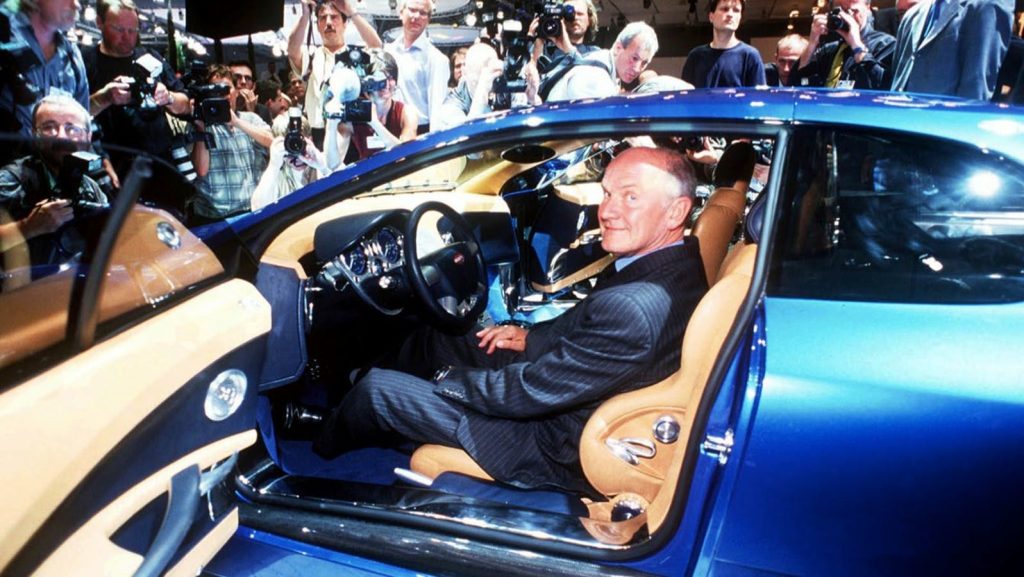
Do you ever think about Volkswagen? Specifically how the Volkswagen of today, with it’s disappointing Golf, overstuffed range of SUVs and underwhelming EVs, is a million miles away from the 00s, when VW were the absolute kings of the motor industry? Well, I do. It seems that the linchpin, the cheat code for success was the stewardship of one man: Ferdinand Piëch. Executive, visionary and part-time Bond villain.
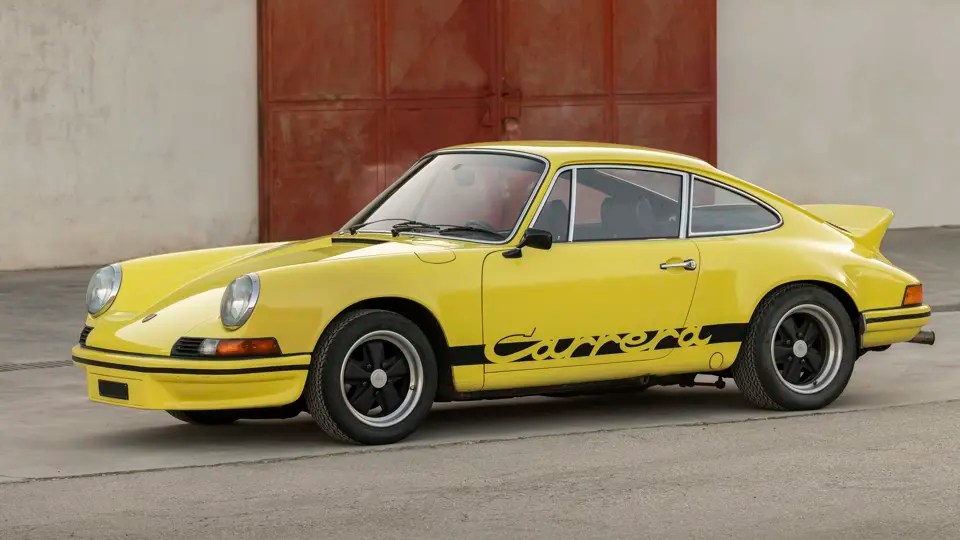
Born in 1937, Piëch was thrown head-first into the motor industry at the behest of his family, unsurprising really when you learn that his family tree included the likes of Ferdinand Porsche, his son Ferry Porsche and his son Butzi Porsche, the man responsible for the iconic Porsche 911. Piëch, however, was not content with just trading off of the family name and, a few months after starting at Porsche, he went to Butzi with an idea. Piëch surmised that, due to it’s unique rear-engine layout, the best way to advertise a 911, would be to race one and prove that their car was the giant-killer that they knew it was, and the best way to do that was to fit the 911 with a dry-sump race engine. The result was the legendary 911 Carrera 2.7 RS, which immediately won races worldwide and cemented Porsche’s legacy for decades to come. Not content with that, he pushed Porsche towards the highest echelon of motorsport, leading to his baby, the equally legendary Porsche 917 dominating Le Mans in the early 1970s.
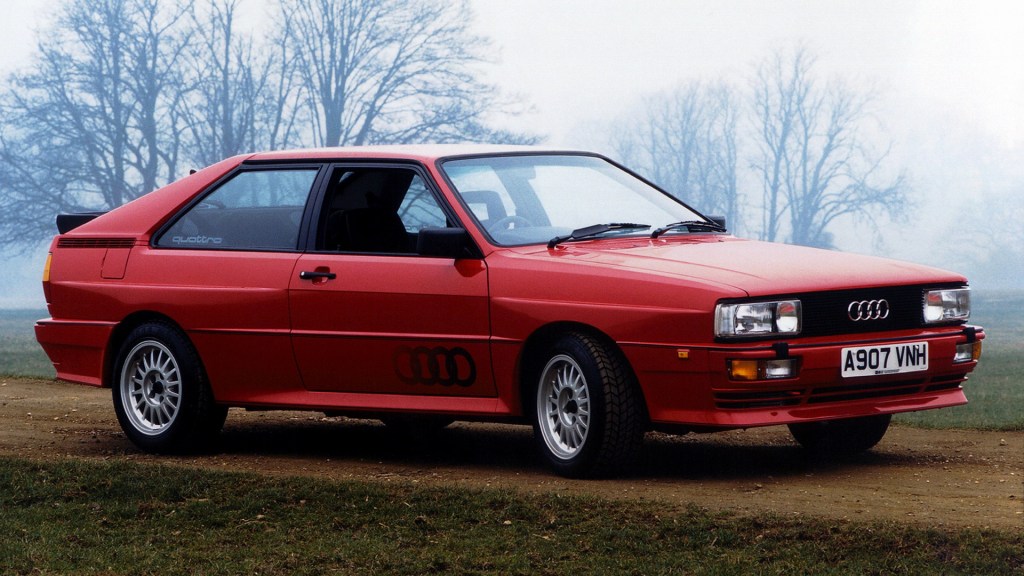
You’re probably going to see the word “legendary” pop up a few times in this column. In fact, here’s another. After leaving Porsche to pursue his own interests, Piëch landed a job at Audi’s development department where he spearheaded the innovation of a permanent all-wheel-drive system that wouldn’t affect a car’s handling or turning circle, that system became known as Quattro. Seeing another opportunity for motorsport-first road car development, Piëch came up with an idea. Audi’s top brass were due to meet for their annual businessman chin-wag that year at the top of the Turracher Höhe, an alpine pass with a 23% gradient, covered in a thick layer of snow and ice, easy to get to by helicopter, not so easy by car. Undeterred however, Piëch decided to gatecrash. He drove an Audi 80 with Quattro four-wheel drive up the pass on summer tyres and parked it outside the meeting room. The executives were impressed and gave the greenlight to develop a car specifically for the World Rally Championship, and the legendary Audi Quattro Coupe was born.
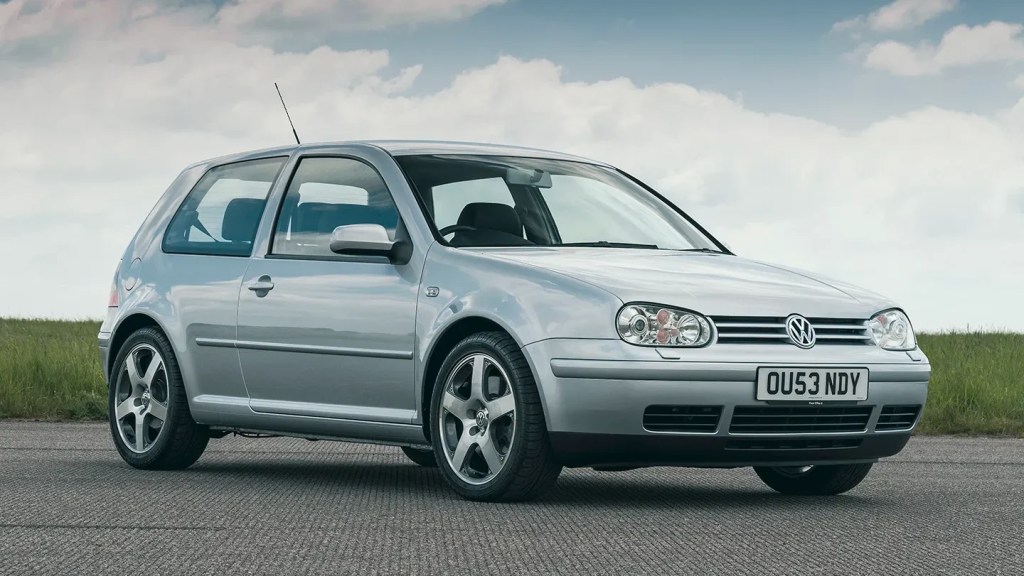
So impressed were the executives with Piëch’s work, he was soon given full stewardship of the entire Volkswagen-Audi Group (yep, still called VAG), securing his position as chairman in 1993 and beginning development in earnest for the world-conquering millennium ahead of them. The first thing on the cards was to properly arrange his development team, and I do mean arrange. In most cases “badge engineering” is considered a bad thing. Taking the parts from one car and then slapping another badge on top, often times resulting in an otherwise ordinary car being “up-badged” and then commanding a price premium for no real reason (see the Aston Martin Cygnet for the most egregious example). For Piëch however, this would be reversed. Instead of sending low-quality parts to the more expensive areas of the VW empire, the development would be done exclusively at the top of the tree and then the higher-quality parts and systems would be utilised on the entry-level cars. That is how the Mk4 Golf ended up with bulletproof engines, a luxurious interior and suspension good enough for the higher-end Audis that it was initially developed for. On the subject of engines, Piëch also foresaw another shift in the motoring landscape, requesting that his engineers look to build a powerful, smooth and efficient turbo-diesel that could go into any car in the VW/Audi stable, just as the tide turned and the public opinion of diesel dramatically improved. No wonder that the VW TDi engine absolutely dominated sales in the early 00s. And don’t worry, we’ll get back to this quite soon.
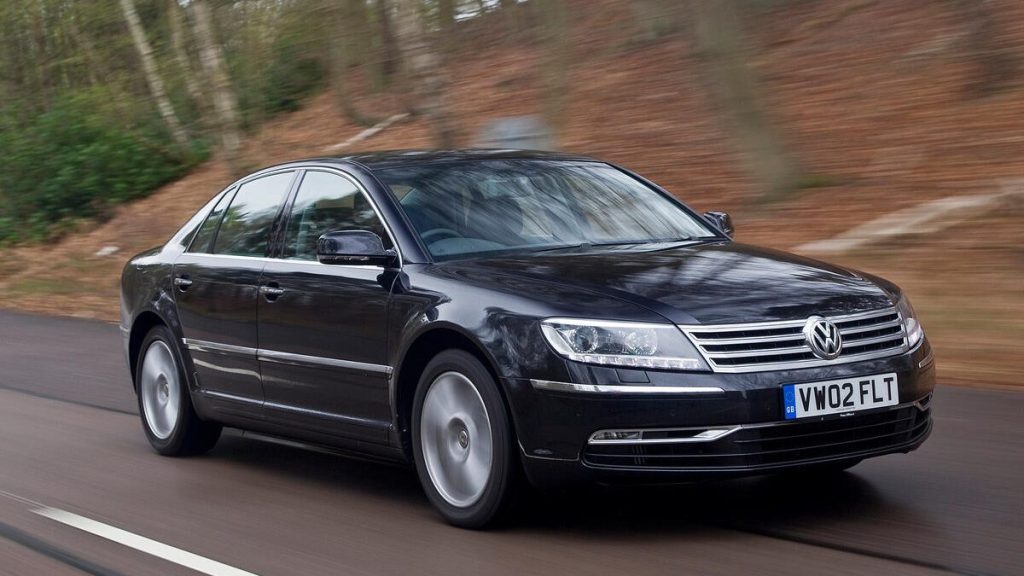
Back in the prime of Piëch’s world domination however, his general attitude to car development could be summed up quite succinctly with three different cars. Firstly, Piëch simply told his engineers to go away and build the best car in the world, outlining his demands in a meeting that cause half of the VW development team to hand in their notices there and then. The remaining half started by taking the chassis developed by their newly-acquired colleagues at Bentley, building a bespoke W12 engine that allowed for 12-cylinders to be packaged so compactly that the block ended up smaller than a V8, and borrowing Audi’s Quattro system to build an everyday usable super-saloon called the Volkswagen Phaeton. Unfortunately, at nearly £80,000, the Phaeton cost far more than many buyers were willing to spend on a Volkswagen, especially one that looked annoyingly similar to it’s VW stablemate, the Passat. As such, only around 84,000 examples were sold worldwide during it’s entire 13-year production run.

Much more successful however (or far less so depending on how you work it out), was the second car. For that, Piëch once again laid out an impossible task to his engineering team. 1000hp, 250mph, 0-60 in less than 3 seconds. For this, development was headed up by another company that VW had purchased; Bugatti. They started by taking the W12 from the phaeton, giving it four more cylinders and four more turbochargers, boosting it’s power to a never before seen 1001 horsepower, attached to that was Volkswagen’s own double-clutch gearbox (available in everything from a Golf upwards), Quattro-adjacent four-wheel drive and bank-vault-esque build quality. Piëch demanded that this new car, christened the Bugatti Veyron, should pass the same stringent usability and reliability tests that all new VW and Audi products had to pass in order to see the light of day, which is why, although the Veyron was easily the fastest car in the world, it was just as easy to drive as a mid-spec Audi saloon, even beyond the 200mph barrier.
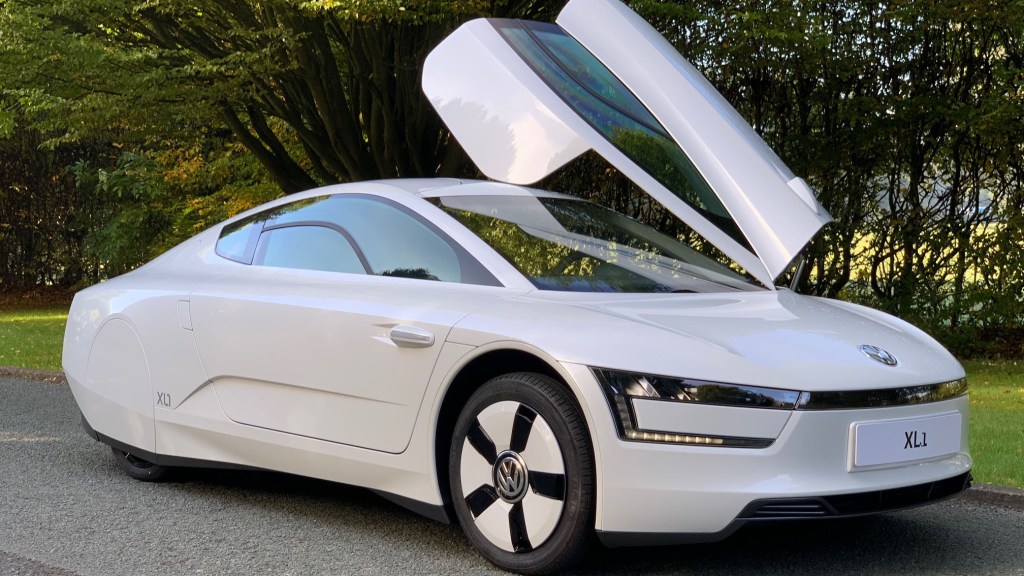
With 250mph in the bag, Piëch wanted one more thing, 250mpg, tasking his team with building the most economical car in the world. The team started with an all carbon-fibre construction for maximum lightness, staggered seating to allow for a tear-drop shaped cabin for better aerodynamics, and an entirely bespoke 2-cylinder turbo-diesel mated to an electric motor producing just under 100hp but, thanks to it’s sheer aerodynamic efficiency, it was still capable of hitting 100mph on the autobahn. As tested, the Volkswagen XL-1 would achieve around 310mpg… And therein lay a different problem.

Right, we’re into deep “allegedly” territory here, but here we go: Behind Piëch’s back, Volkswagen executive Martin Winterkorn signed off on the use of a software feature that would allow a car’s ECU (the little computer that controls what the engine does) to detect whether or not it was running on a rolling road and therefore, running an emissions test. If the ECU decided it was, it could adjust the engine’s air-fuel ratio to artificially lower it’s emissions for a short time, effectively cheating emissions tests and allowing the sale of cars that were pumping out far more toxic Nitrogen Dioxide (or NOx, as it was otherwise known) than was legally permissible. This came to light in 2015, after Piëch had already retired from the chairman position, but it single-handedly catapulted Volkswagen into uncertain territory. Diesel cars, the company’s bread and butter for the last decade, were immediately off the cards, forcing VW to rush EVs and hybrids to market before they were fully finished, and as we know, there is very rarely a death knell louder than that.
Was Piëch aware of the cheating? Intelligence from the ongoing investigations points to “no”. I can’t imagine that a man as stubborn and strict as him would have allowed his engineers to go ahead with this, he would have simply told them to build an engine that did do the advertised emissions, no matter the cost.
 Project Petrolhead
Leave a comment