Healey. Jensen. AC. TVR. Bristol. Marcos. Ascari. All makers of some of the coolest sports cars of their respective time periods. All now defunct. But why? What happened to cause the death of so many car companies?
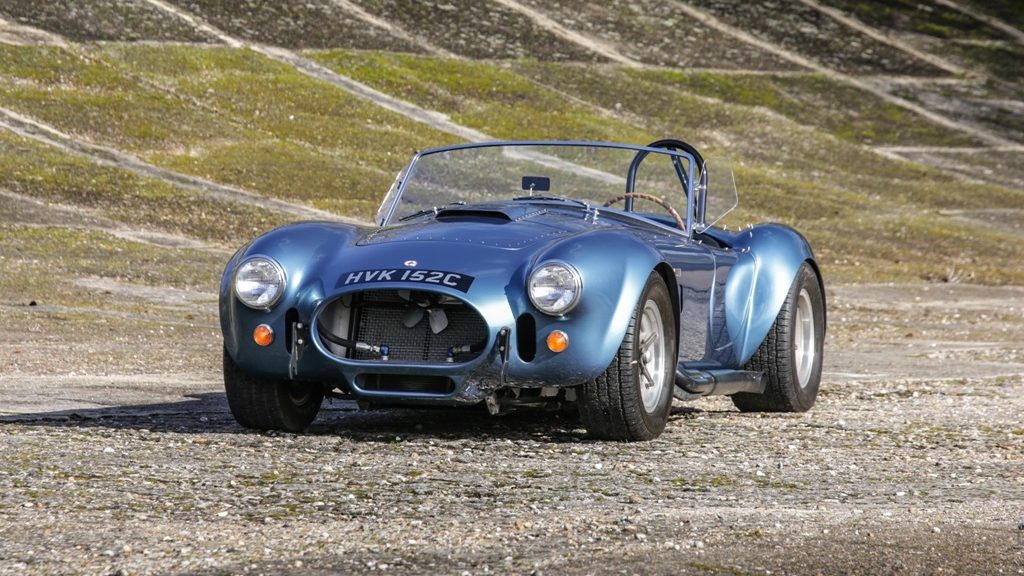
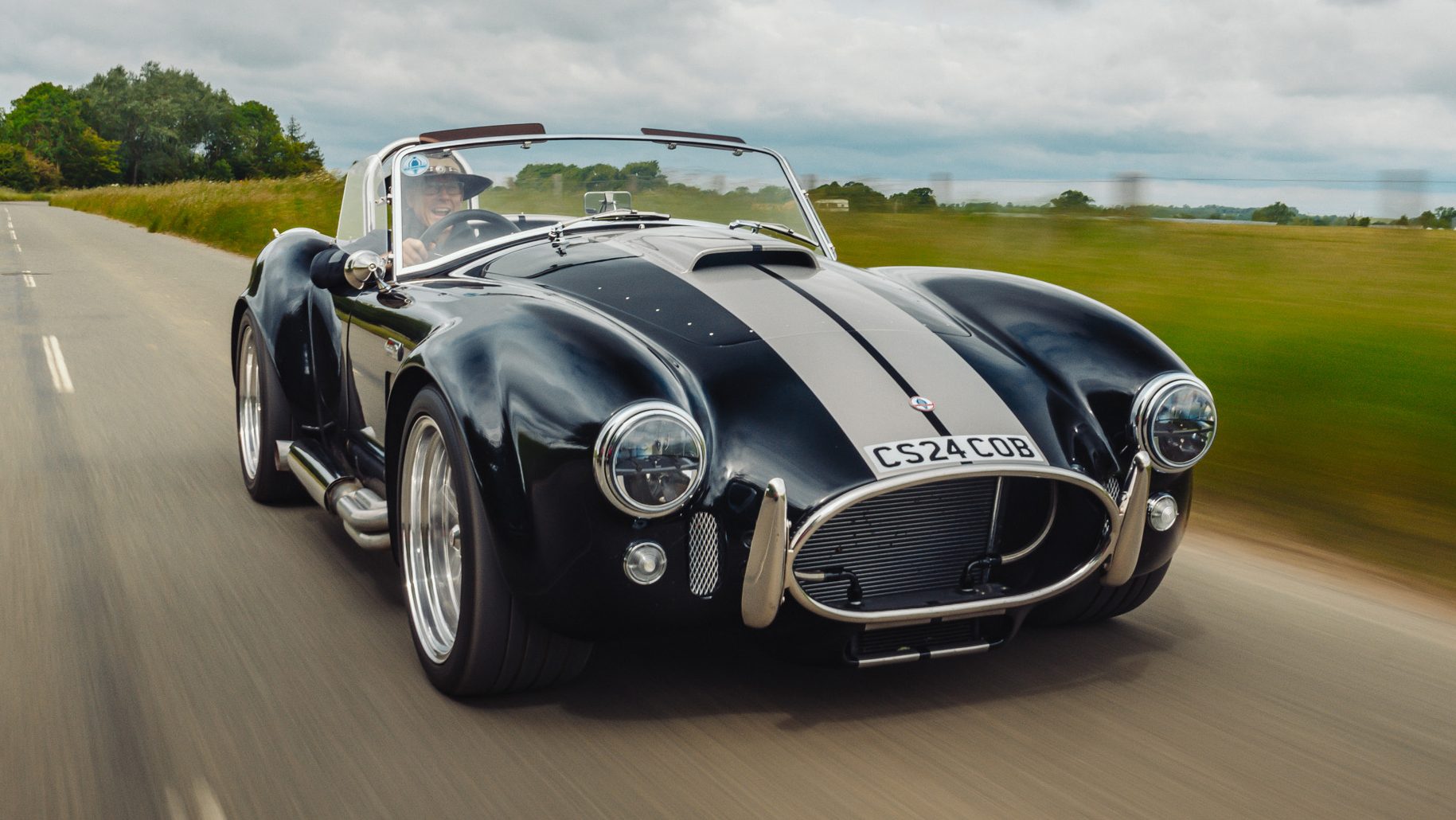
Some were victims of their own success. AC Cars was founded in 1901 and carved out a business for themselves by building beautiful saloons and roadsters in the 1920s and 30s, even winning the Monte Carlo rally in 1926, but all that seems to be forgotten now, and the death blow came in 1961. Liaising with Texas-born chicken farmer Carroll Shelby to source a Ford small-block V8 so that their beautiful sports car, the AC Ace, would sell better in the US, AC’s engineers inadvertently created a monster. The new V8 car, now renamed AC Cobra, quickly became an all-dominating force on the world’s racetracks, with the Shelby-tuned versions going toe-to-toe with Ferraris and Porsches of the day, culminating in an insane performance behemoth known as the 7.0 litre Shelby Cobra 427. In the 1980s however, business was not booming to the same extent, with a relatively lukewarm reception to the contemporary AC 3000ME, the decision was made to licence out the Cobra to other small manufacturers and to authorise “continuation” cars. As of today, there are upward of 10 manufacturers producing kit cars under the Cobra likeness. Some are exceptional (Factory Five and Superformance) and some are… Well, some are DAX, with piddly Rover V8s, a rear axle from a 40-year-old Jag and the inevitable disappointment of somebody asking, “is it a real one?” All that means is that the ratio of ACs-to-Not ACs has slowly but surely been getting larger and larger in favour of the fakes, to the point where most people now (Americans especially) will only ever recognise a Cobra as a “Shelby” and not an AC at all.
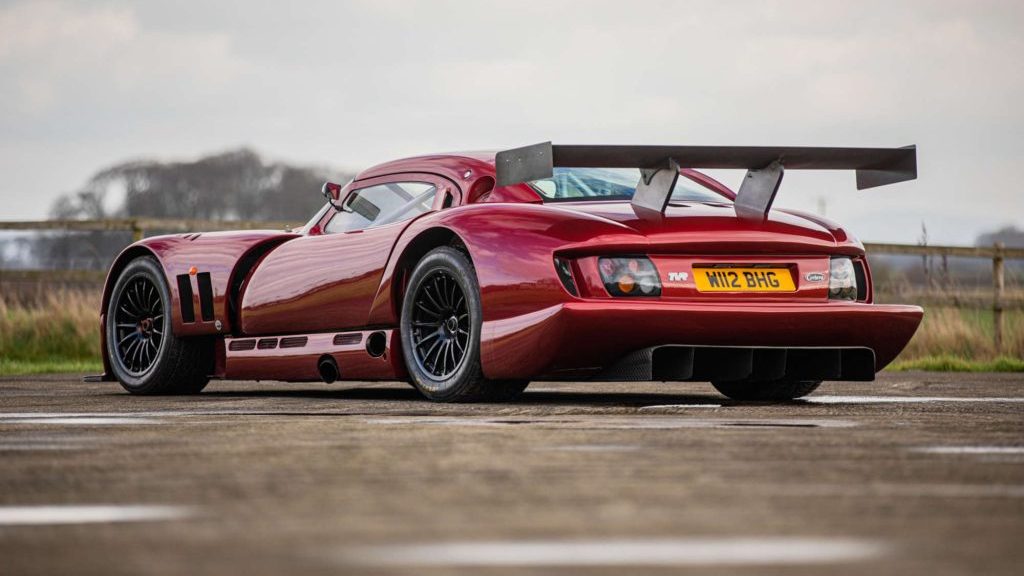
It’s not always success that leads to failure, sometimes failure can just as easily come from a single individual somehow snatching defeat from the jaws of victory. In 1981, TVR came under the ownership of a chap named Peter Wheeler. Himself a customer of TVR for years, Wheeler knew exactly which aspects of their cars to lean on to differentiate them from the yuppy-era BMWs and Porsches of the “more money than sense” late-80s. As such, the brand saw the launch of many of it’s finest cars, with the Griffith, Tuscan, Tamora, Cerbera and Chimera all filling the showrooms through to the turn of the millennium. What gave these cars their niche was the focus on a raw, stripped-back driving experience with low weight, big power and not much in the way of driver aids. The zenith of this was the legendary Cerbera Speed 12. Initially designed for GT1-class racing (the same class where the McLaren F1, Porsche 911 GT1 and CLK GTR were all currently duking it out), the Cerbera Speed 12 would have a 1000kg fibreglass composite body over a bespoke spaceframe chassis, powered by TVR’s first V12 producing more than 800bhp. As the story goes, Wheeler drove home one night in the production prototype and returned to work the next morning having been scared so profoundly by the car, it was deemed unfit for human consumption, and the project was immediately scrapped.
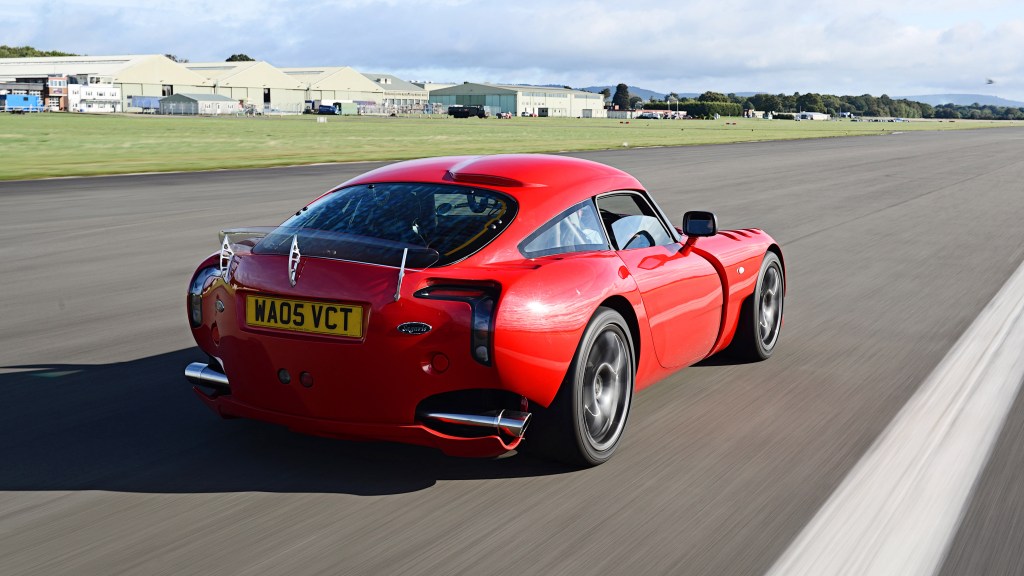
Enter Nikolay Smolensky. In 2004, Smolensky purchased TVR outright from Wheeler and set out to reinvigorate the company, releasing Wheeler’s final car, the Sagaris, before it was ready. While the car still retained TVR’s legendary “no guts, no glory” attitude, eschewing ABS and airbags in favour of a 400bhp straight-six, anyone who looks at a Sagaris cannot fail to notice odd choices like the filled-in wheelarch vents, and owners complained that final production cars were struggling to remain watertight when exposed to a light drizzle. By 2006, it was revealed that Smolensky had slowly been gutting the company for parts, selling off land and intellectual property to other companies (including, rather worryingly, some of his own) and 300 workers were laid off. After 2006, no more road cars would be produced under the TVR name…
Well, except one.
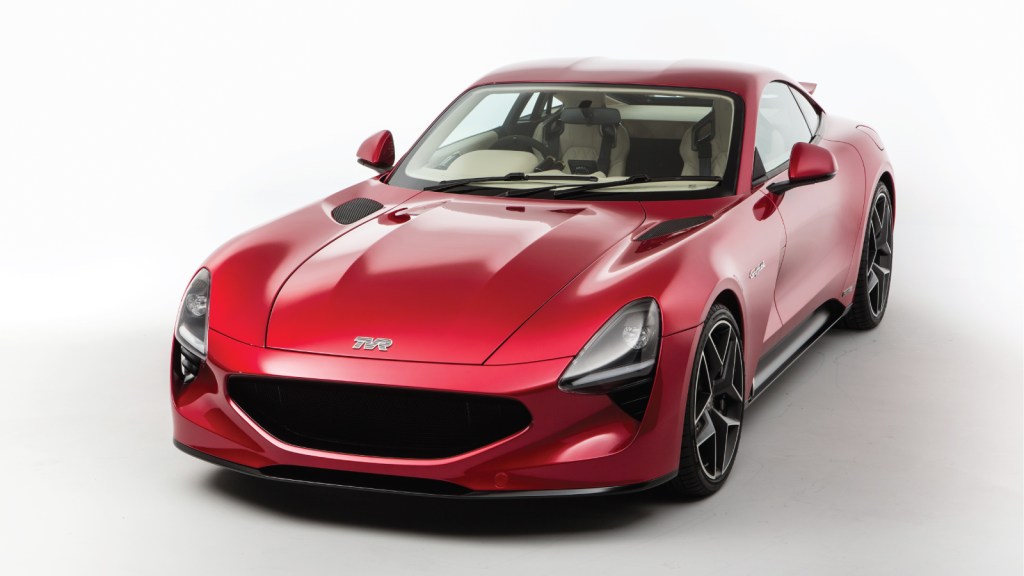
In 2013, TVR was purchased again, this time by former video game developer Les Edgar (side note, he co-founded Bullfrog productions, which means he was at least partially responsible for Theme Hospital and Dungeon Keeper, which makes him alright in my book.) who made a deal with the Welsh government to open an all-new TVR factory in Ebbw Vale. To get the money rolling in, Edgar unveiled the revived TVR Griffith, a carbon-fibre two-seater sports car with a Mustang V8 and design work from our old friend, automotive hero Gordon Murray. Deliveries were slated to begin in 2017. And then 2017 came and went with no word from TVR… And then the Welsh government revealed that they had given TVR a £2 Million taxpayer-funded loan… a loan that was doubled up during Covid three years later. As of 2023, TVR never moved into their state-of-the-art factory, and to this day only one prototype Griffith exists. Such a shame for a company to be killed not once, but twice.
 Project Petrolhead
Leave a comment