When BMW bought Mini back in 1994, the world waited with bated breath to see what monstrosity they’d come up with, but the result was fantastic. The “New” Mini was cool, well built and great to drive, so it’s no wonder that, a few years later, BMW decided to launch their own small hatchback. They had tried this before with a special shortened compact version of the 3-Series (know unimaginatively as the 3-Series Compact) but the new millennium called for an all-new model. Slotting in at the very bottom of BMW’s range, the 1-Series promised all the fun of the Mini, but with a more premium feel and a price to match, but it wasn’t quite that simple. Rather than just re-using the already incredibly successful platform that they’d spent years and millions developing, BMW decided to design the 1-Series from the ground-up to make it as “BMW” as possible, starting with the layout.
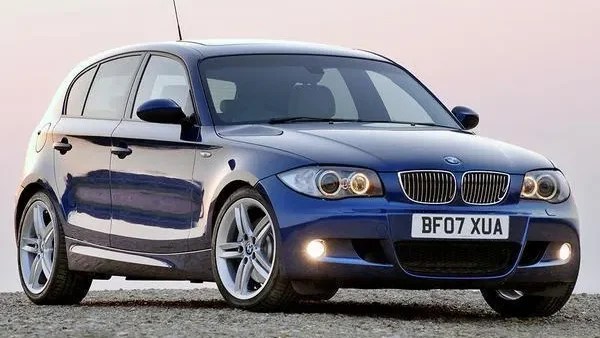
For some reason, known only to the bosses in Munich, it was decided that the 1-Series should be rear-wheel drive. This was not a common occurrence in the hatchback world and sort of went out of fashion with the death of the Talbot Sunbeam in 1981, but BMW were dead set on resurrecting it. The thing is, I’m not sure why. BMW enthusiasts will say something like “driving purity” or “sporty handling” but that’s quite hard to justify when iconic hot hatches like the Ford Focus RS, Renault Clio 182 and Mk 5 Golf GTi were proving that front-wheel drive could be just as good, if not better, than the RWD establishment.
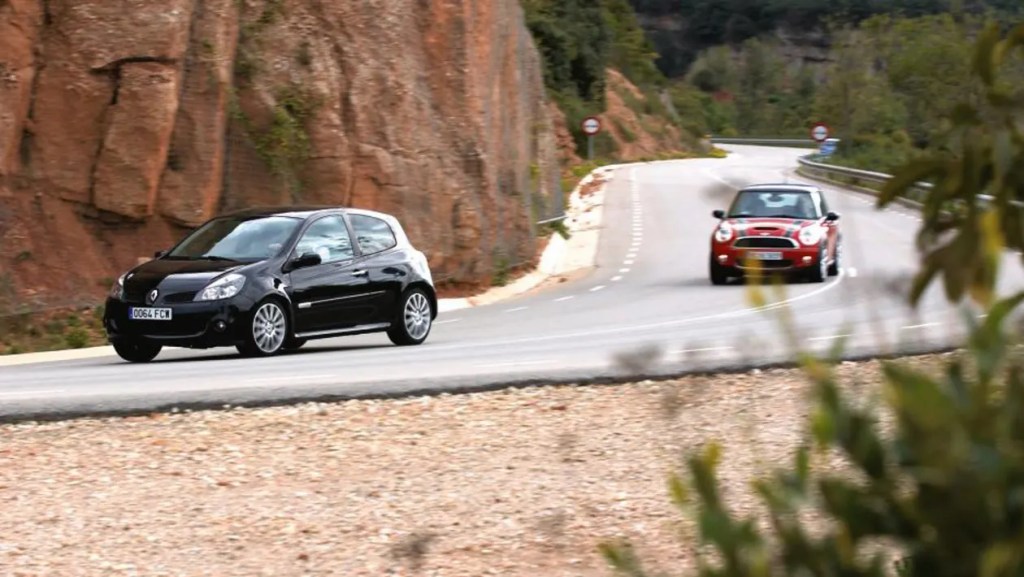
Nevertheless, BMW persisted.
In 2004, the E87 BMW 1-Series launched to mixed acclaim from the press. The Chris Bangle styling was as difficult to stomach as most of the concurrent BMW models (I’ve still got no idea what’s going on with the back end of the E63 6-Series or E65 7-Series), and at £23,000 for a mid-range model, the car seemed very expensive for what boiled down to a Ford Focus rival. There was, however, a light at the end of the tunnel. Because the car had a bespoke platform, sharing some parts from the larger 3-Series, the small family hatchback could accommodate much larger engines than its rivals, even including BMW’s own 3.0 litre straight-six, kicking out 260bhp and propelling the car to a 155mph top speed.
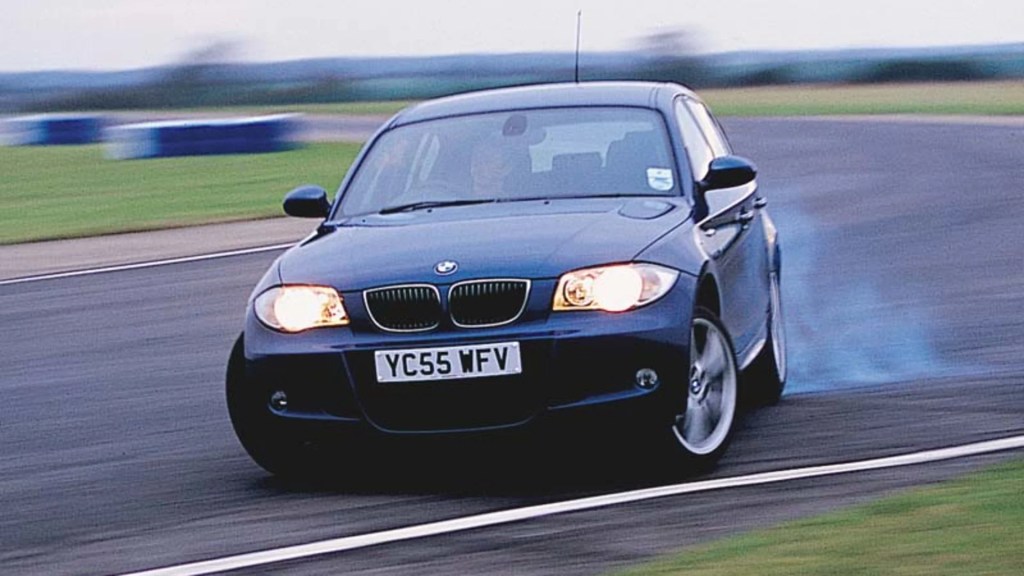
There was other good news as well, given the success of the 5-door and 3-door versions of the car, the BMW design team were asked to create two more body styles; a convertible and a coupe, with the Coupe in particular being seen as the sportiest offering with its chunky stance and discount sportscar feel. And that’s where BMW’s M division comes in. The M team take one look at the coupe and decide to use it as the basis for their newest skunkworks project, stripping out the engine and suspension and raiding the parts bin to substitute their own. Take a 1-Series Coupe, give it a 74mm wider body, the rear axle from a BMW M3, the engine from a Z4 sDrive35is (but with uprated turbochargers) and massive Brembo brakes, and you’re on to a winner. And what to call it? Well, we can’t call it M1, because that already exists, it’s a supercar from the 70s, it’ll have to be 1M then, I’m sure that won’t get confusing.
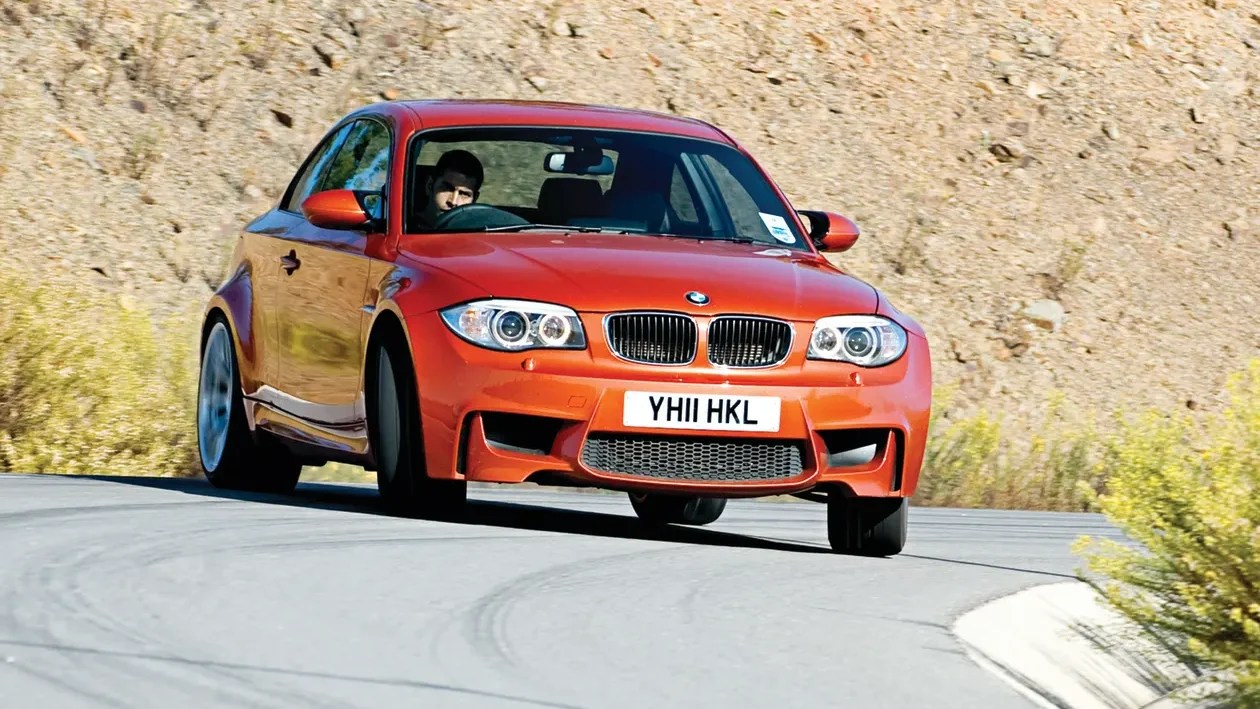
On it’s launch in 2011, the 1M instantly became a critical darling, filling the gap left by the ever faster and more complicated M3 and creating a genuine giant-killer of a small car, easily going toe-to-toe with the likes of the Lotus Evora and Porsche Cayman, and even earning 3rd place at EVO Magazine’s 2011 Car of the Year award, only losing out to two industry heavyweights, the McLaren MP4-12C and Porsche’s 911 GT3 RS 4.0. Not bad for a dinky little 4-seater.

 Project Petrolhead
Leave a comment