There’s a lot of things to be proud of in Britain. Beautiful countryside, world-class arts, fish and chips, the list is truly endless. One thing that I’m convinced we do better than anywhere else however, is motoring journalism.
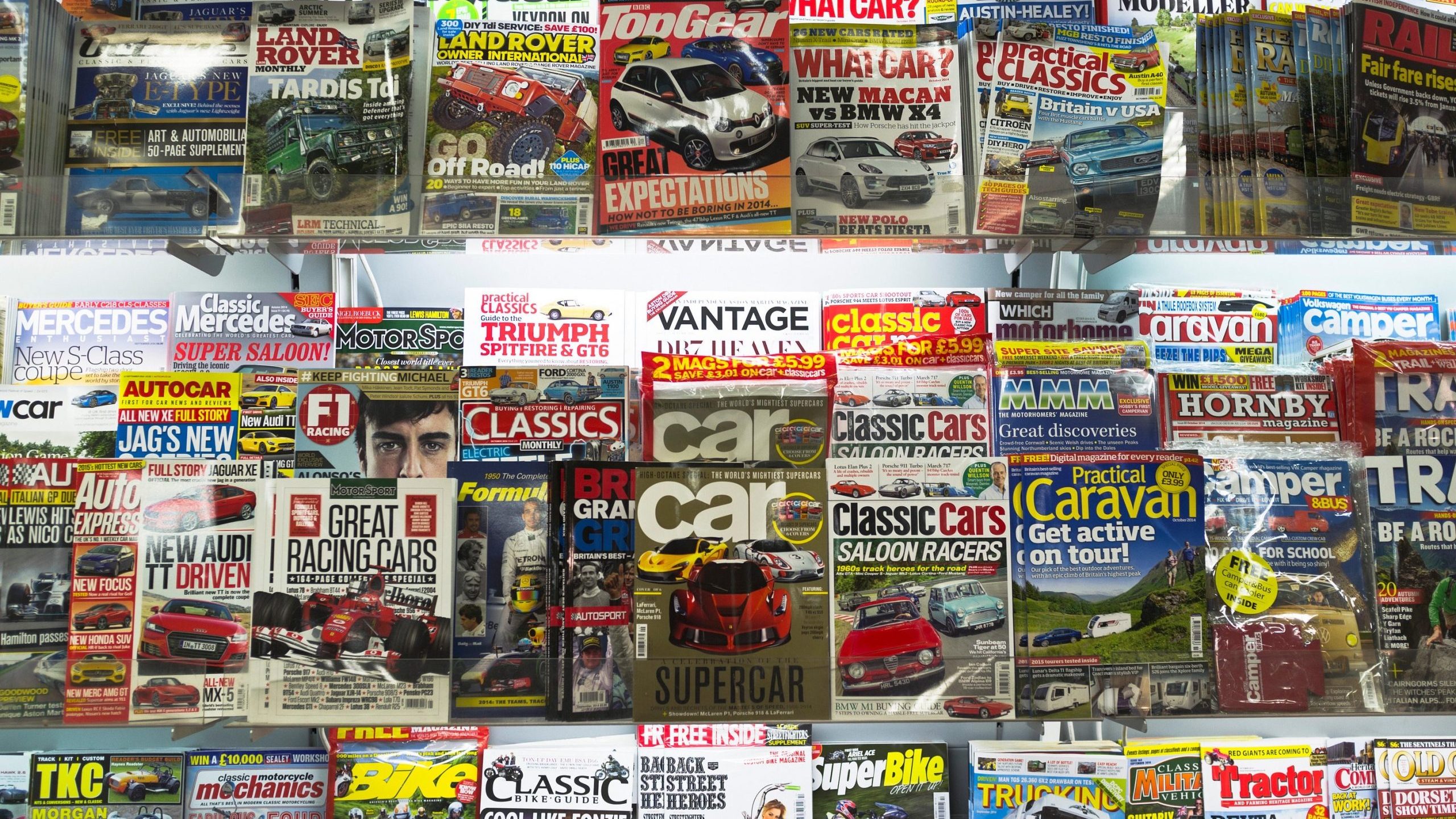
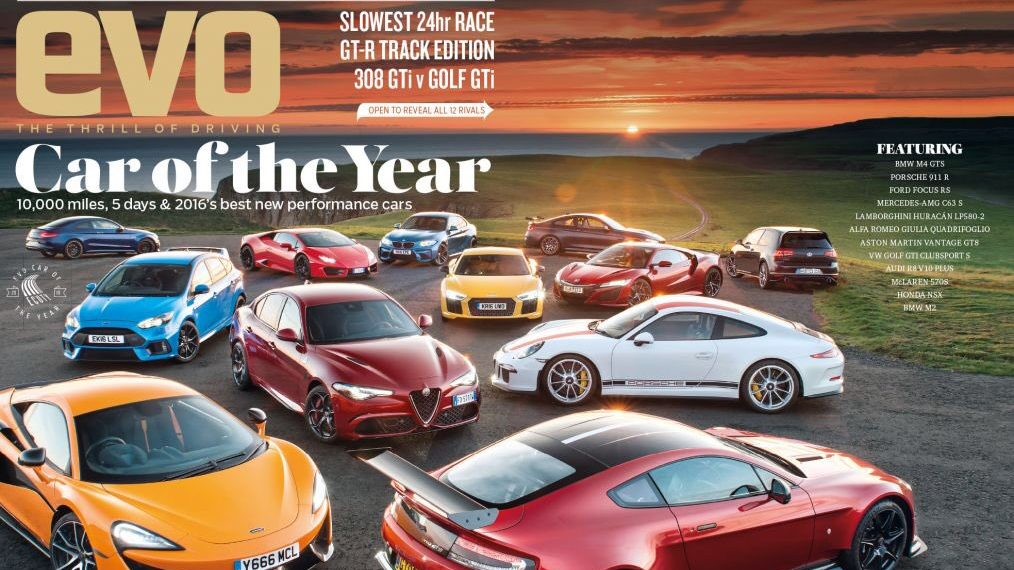
Whether it’s magazines, newspapers, internet media or television shows, we’ve got the motoring press covered, and the rest of the world knows it as well, with the 2002 revival of Top Gear being broadcast in over 200 countries worldwide. My favourite medium for motoring news is still the humble magazine, with EVO being my preferred tipple. I’ve always admired their blending of artful storytelling with impressive displays of driving talent. On the other side of the coin, there’s Britain’s oldest motoring magazine; Autocar. I’ve always viewed Autocar as the more mature big brother to EVO, being more stat-focussed and covering a broader range of everyday cars that EVO would almost certainly turn their nose up at.
The same goes for our TV shows. Top Gear is more of an EVO-type show, with a healthy serving of power slides and hyperbole, whereas Fifth Gear is the more sensible consumer advice equivalent. I enjoy both in equal measure (no, really), If I want an in-depth look at the handling characteristics of a car, then Tiff Needell and his cohorts have the knowledge, but if I want to watch something entertaining? Well then you need Clarkson and the team to do something both ridiculous and only barely car related. The tricky part comes when you try to blend the two circles of the Venn Diagram. That’s when you end up with something like “new” Top Gear. By new, I of course mean 8 years ago, when Clarkson… erm… departed Top Gear and most of his loyal team absconded with him to start The Grand Tour, leaving a power vacuum that would be filled by Chris Evans. It only took half a series for everyone to determine that this was a terrible idea, and the formula was shaken up again, reducing the confusing six presenter roster back down to three, focussing less on in-studio crowd work and placing veteran car journalist Chris Harris at the forefront. Harris was the perfect choice for this new hybrid approach, given that he had been a road tester for both Autocar (under the tutelage of Steve Sutcliffe and Andrew Frankel) and EVO (Working alongside Harry Metcalfe, Richard Meaden and Jethro Bovingdon) during his lengthy career, as well as bringing in a existing audience from his popular YouTube ventures, first with Autocar, then Driver’s Republic, a brief stint with EVO, a much more substantial stint at /Drive, before settling into a rhythm with his own channel; Chris Harris on Cars.

The Irony of course, is that most successful British motoring journalists can trace their origins back to a select few very influential Aussies. Doug Blain, Mel Nichols, Steve Cropley and Gavin Green all share the notable traits of being Australian-born and being editors for the UK’s (unhelpfully named) CAR magazine, spanning from the 1960s to the 90s. It was their tenures at CAR that inspired the likes of Jeremy Clarkson, Chris Harris and EVO founders Harry Metcalfe and Richard Meaden.
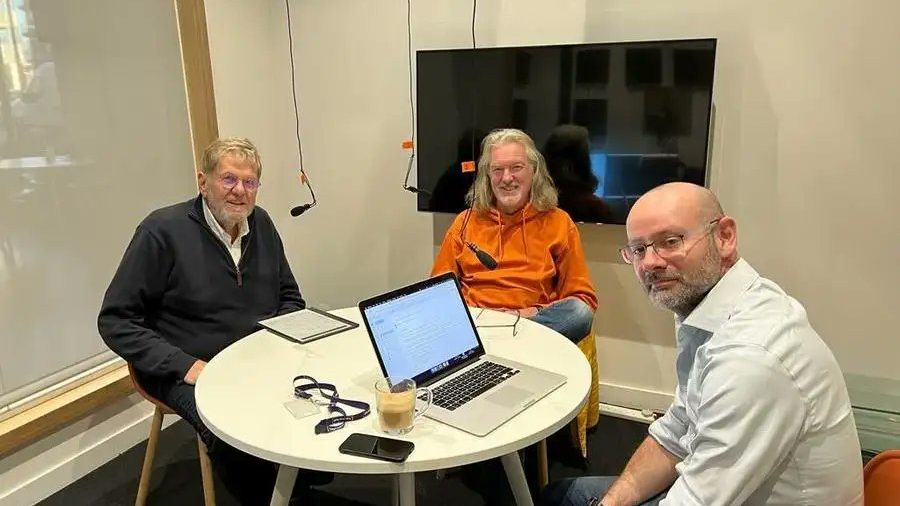
The one thing all of these journalists have in common is passion. Passion for cars and passion for storytelling, weaving the two into engaging pieces of art that tell you everything you need to know, as well as everything you WANT to know. Not just how fast a car is from 0-60 or how high its top speed is, but how it feels to drive and how it makes you feel as the driver. Luckily, these traits are being passed down to the newer generation. The Intercooler are championing younger writers, pairing them with automotive legends, and Industry stalwarts like Henry Catchpole and Harry Metcalfe have successfully pivoted to YouTube, lending legitimacy to the platform and opening the door to anyone with a phone camera and a story to tell. By far the coolest, most successful and, if I may say, most handsome is of course; Project Petrolhead.
 Project Petrolhead
Leave a comment