“The car is the closest thing we will ever create to something that is alive” – William Lyons
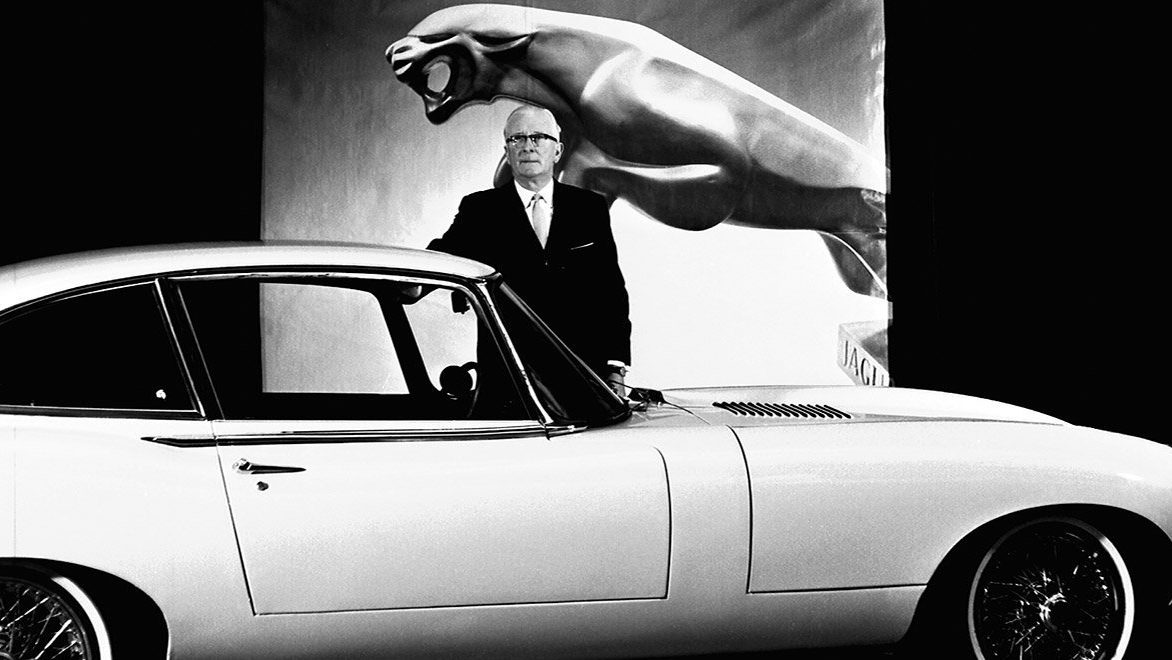
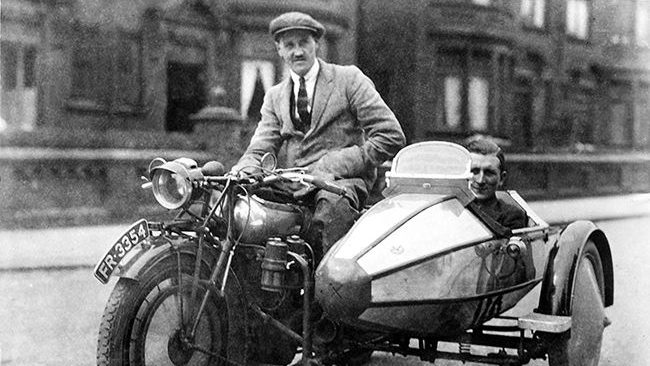
Born in Blackpool in 1901, William Lyons may just be one of the most influential men ever to work in the automotive industry. At the age of 20, he met William Walmsley. Walmsley built custom fabricated sidecars for motorcycles, one of which was purchased by Lyons. Admiring the craftsmanship on the sidecar, Lyons suggested an alteration to the design that would reduce material and production costs without compromising quality. The change was successful and the following year the pair would go into business together under the moniker Swallow Sidecars.
After a few years of successful trading, Lyons wanted to expand the business. Realising that what they were doing was, in effect, a simplified version of coachbuilding, the pair decided to branch out into the automotive world. In 1927, Lyons and Walmsley (now operating as the Swallow Coachbuilding Company) unveiled the Austin Swallow. Based on the humble Austin 7 but with a stylish 2-seater body, the car became a roaring success, with twenty-five cars a week leaving their small Blackpool factory, with most headed for Henleys in London who had purchased five hundred cars.

With demand beginning to outstrip supply, Lyons decided it would be pertinent to increase their manufacturing capacity, and the decision was made to purchase a disused munitions factory in Coventry. Not content with rebodying existing cars, Lyons brokered a deal with the Standard Motor Company to provide engines and chassis for Swallow to use in the construction of their own cars. The first model, a sports saloon aptly named the SS 1 (for Swallow-Standard) broke cover in 1932 featuring a 2.5 litre 68 horsepower straight-six that meant it could hit a steady 75mph top speed. By 1935, the company had lost one of its founders (William Walmsley sold his share of the company and left to start a caravan business) and gained a reputation for building stylish but underpowered sports cars. Aiming to show the detractors that they weren’t all mouth and no trousers, Lyons commissioned a bespoke engine to go into their newest car, the SS 90. This new aluminium-headed, twin-carb, 2.6 litre engine pushed out a far more sporting 102 horsepower. Lyons decided that this would earn the car a new name to separate it from the rest if their line-up. He settled on SS 90 “Jaguar”, a name it passed onto its replacement, the SS Jaguar 100.
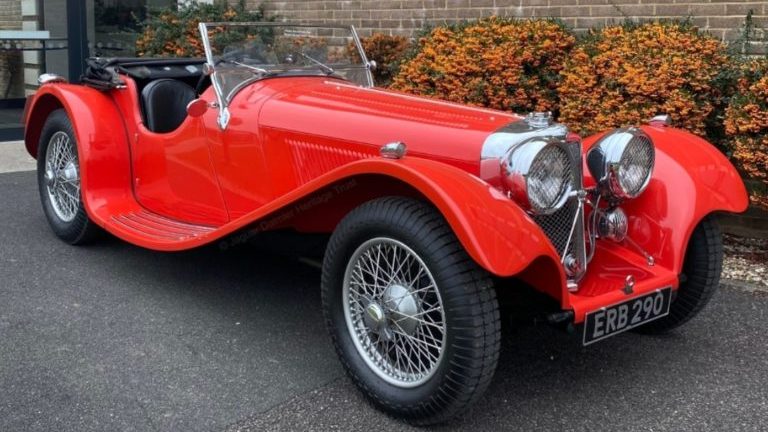
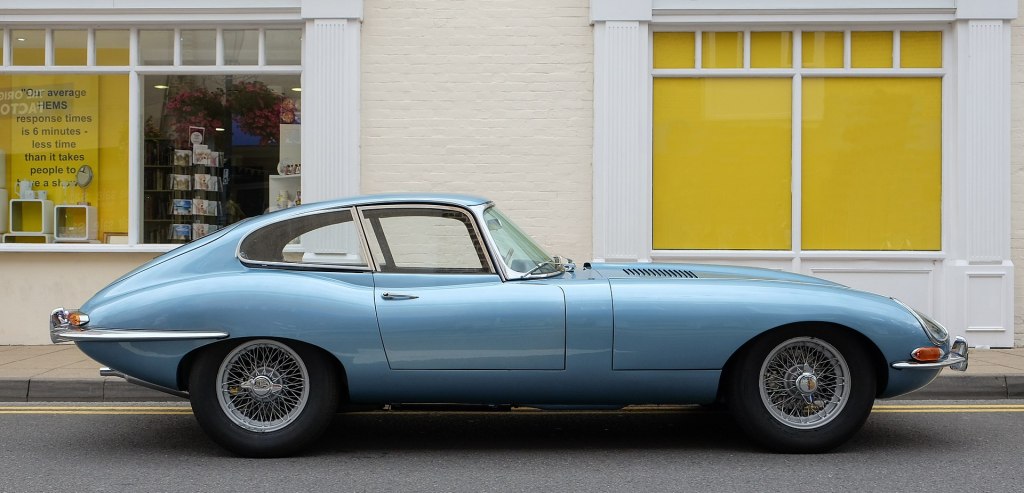
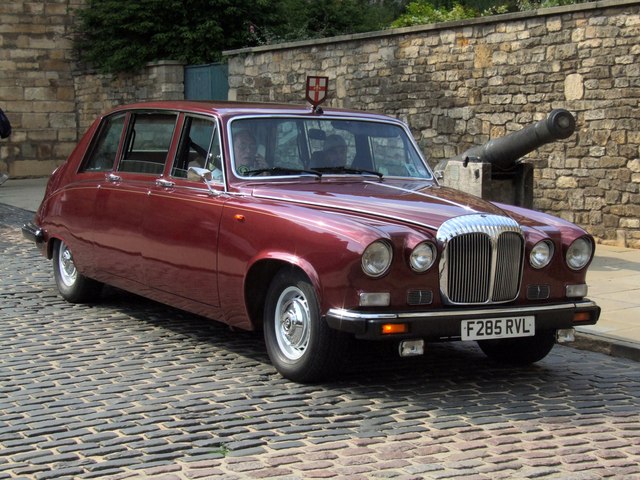
Unfortunately, come 1945, people were less inclined to purchase a car with SS emblazoned on the front (a fact made even more unfortunate when you see the be-winged badge with its decidedly Germanic lettering. I bet Lyons did-nazi that coming) and so, the SS branding was dropped completely and from the ashes: Jaguar Cars Limited was born. Deciding that the new company would make it’s name by building high-end sporting saloons, Lyons enlisted the services of automotive engineer Bill Heynes and, much in the vein of the SS 90, tasked him with creating an engine that would serve as the centrepiece of the model line. The result was the XK straight-six engine, one of the most versatile engines ever to see production, powering everything from Le Mans racing cars like the C-Type and D-Type, luxury saloons like the Mark X and Daimler DS420, Sports Cars like the XK120 and E-Type, and even military vehicles like the FV107 Scorpion (it was even used in a fire engine!).
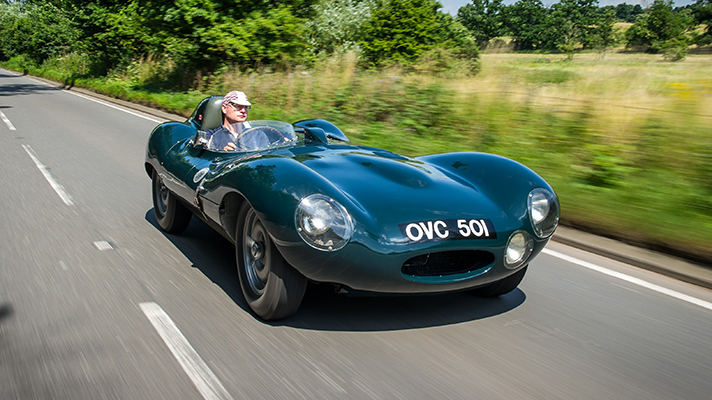

Even though Jaguar saw incredible success with its sports car ventures, even winning Le Mans multiple times, Lyons’ main priority were the saloon cars, for which he provided the styling. In 1968, he would unveil his finest achievement, the Car-of-the-Year winning first-generation XJ6, saying at the time: “Without any doubt at all, the XJ6 is my personal favourite. It comes closer to than any other to what I always had in mind as my ideal car”. Fittingly, the last car he signed off on before his death in 1985 was the XJ6’s successor, the XJ40.
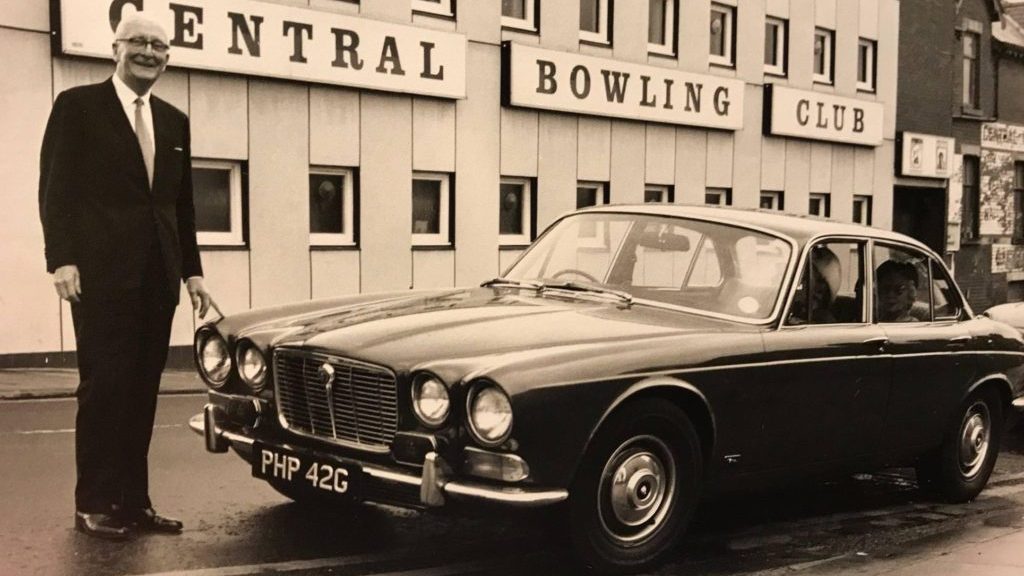
Lyons was not just a businessman, he was a designer, an engineer and an avid driver. It’s no wonder then that, by building a car company in his own image, he ended up gifting us one of the most interesting, beguiling and enrapturing car companies on the planet, setting out to build breathtaking machinery that set the benchmark for it’s rivals, and shaping the British car industry for decades to come.
 Project Petrolhead
Leave a comment