We’ve all been there, aimlessly perusing your car sales platform of choice when suddenly, it hits you. The most interesting car you’ve seen in some time. It’s got low miles, an aesthetically pleasing specification and joy of joys, it’s only 25 miles away! Interest piqued, you rush to a new tab in your web browser, ready to punch in the make and model suffixed with the phrase “Buyer’s Guide” when… It all comes crashing down.
In an instant, your screen is flooded with words like “catastrophic”, “unsalvageable” and “timebomb”. As you come to terms with the fact that todays dream car has likely caused untold misery to it’s previous owner, you hear a voice in the back of your head. Quiet at first but growing louder by the second as you go back to scrolling through the advert’s photographs. It says to you the phrase that has bankrupted many a petrolhead in the past; “It couldn’t be THAT bad though, could it?”
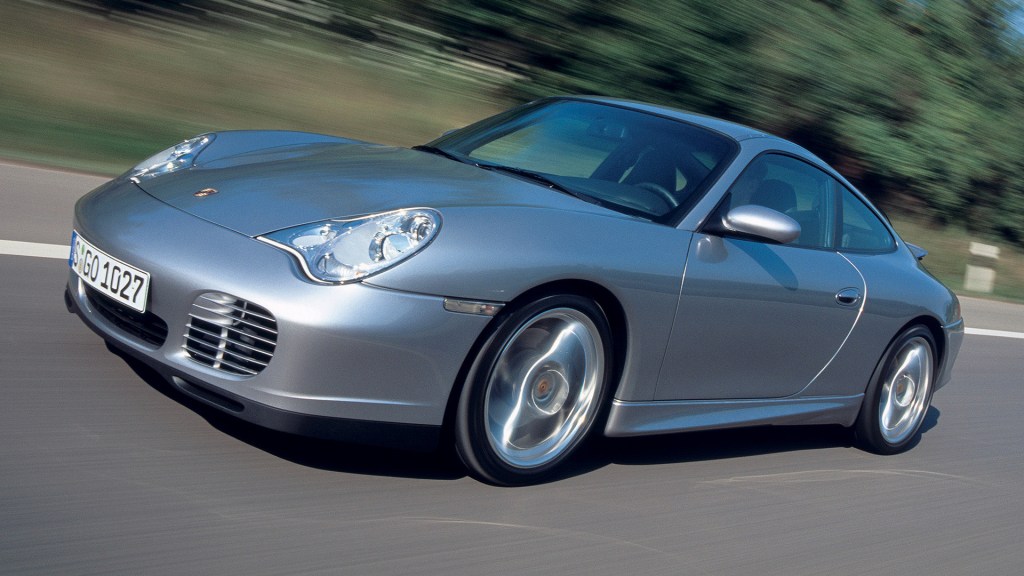
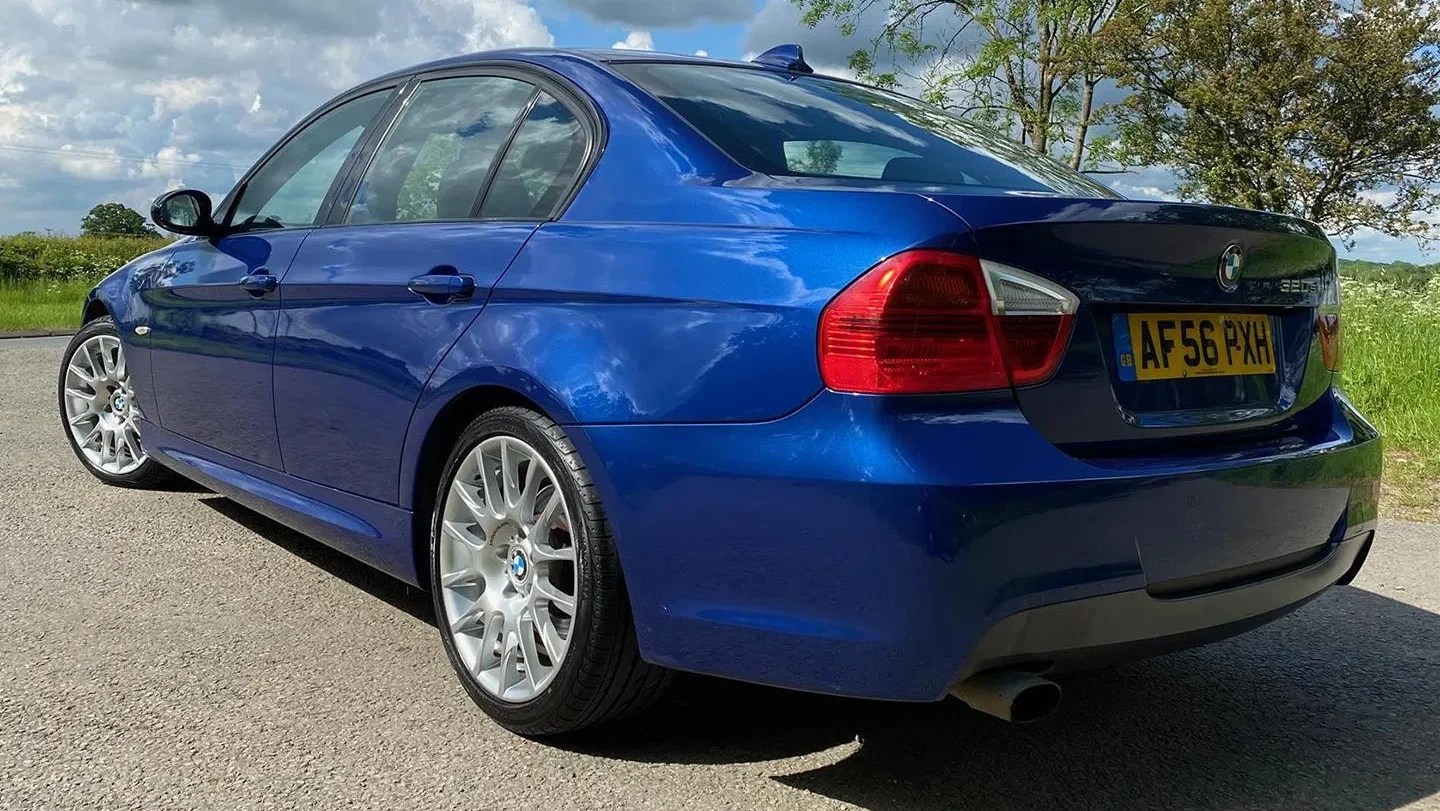
Take your pick of culprits here, whether it’s the opulent luxury of an L322 shape Range Rover, the standard-setting benchmark that is the 996 generation Porsche 911 or the muscular German Mercedes CL55 AMG, we’ve all been prepared to risk it all for what could be, the best car we’ve ever owned… or the worst. The car that caught my eye on this fateful day was an E90 generation BMW 3 Series. Not just any 4-door rep-mobile though, but a rarity almost never seen on the roads; the 320Si.
For those unfamiliar, back in the early 00’s, BMW were still taking part in the World Touring Car Championship (WTCC) and needed a car that would take on the SEATs and Alfa Romeos for the title. In order to compete however, FIA rules stipulated that the racing car must be based on a car that ordinary people (who aren’t called Nigel Mansell or Gabriele Tarquini) can buy. These homologation rules are the reason why we saw cars like the Lancia Delta Integrale, BMW E30 M3 and even the Mercedes CLK GTR all paired with road-going variants. For 2006’s WTCC season, BMW released the 320Si; a 3 Series souped up with M sport suspension, lightweight wheels and uprated brakes. The centrepiece of it all, however, was it’s engine.
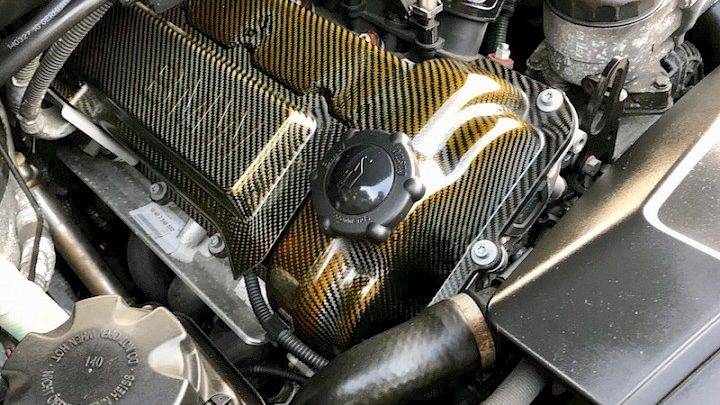
This was no remapped 320i, oh no, the Si sported a bespoke 173bhp 2.0 litre 4-cylinder block, with a reduced stroke and increased bore that helped it to rev to 7300rpm, unique overhead cams, a 10kg weight saving over a standard 320i engine, shorter gears (for better acceleration) and quite possibly the sexiest carbon fibre cam cover ever produced, all mounted lower down and further back in the engine bay for better weight distribution. Lest we forget that, up until 2006, BMW was partnered with Williams for the Formula 1 championship, who allowed them to use their F1 engine plant to create this work of engineering art, alongside the 3.0 Litre V10 that would be slotted into Mark Webber’s company car.
There’s just one problem. Putting a mildly de-tuned, yet still highly strung race engine into a road car means that it needs even more care and attention that a normal car. For a couple of examples, oil changes need to be done every 5000 miles, you are required to run it exclusively on super unleaded and the first 5 miles of any journey should be spent under 4000rpm, to allow the engine to properly warm up before you push it any harder. If not cared for correctly, the engines were liable to break, often in spectacular fashion. A small amount of cursory googling will bring endless stories of timing chain issues, bore scoring and even cracked blocks and then your £4000 BMW, needs a £4000 engine rebuild. And don’t think parts will be easy to come by, as only 500 320Sis were ever sold in the UK.
And so, we return to the age-old dilemma. I know I shouldn’t… But I really want to…
 Project Petrolhead
Leave a comment