As a petrolhead who enjoys a spirited drive, it should be your responsibility to take the time to learn skills that will allow you to have fun safely. The best way to learn car control is to slowly push the limits, both of the car and its driver so that you can learn how to react when different scenarios take place. Unfortunately, executing a high-speed direction change or initiating oversteer on the public highway will only result in a suspended licence or, at worst, an accident you won’t walk away from. As such, you need a track.
Track days are fairly popular in the UK, allowing you to push yourself and your car in a controlled environment. There are all kinds of different track days, from ones where you are left to your own devices, lapping your own car, to the full instructor experience, where a professional driver takes you out in something exotic, to show you the ropes. The instructors are often professional racing drivers who are able to talk you through how to react to different situations in detail, even while you are still pounding around your chosen circuit.
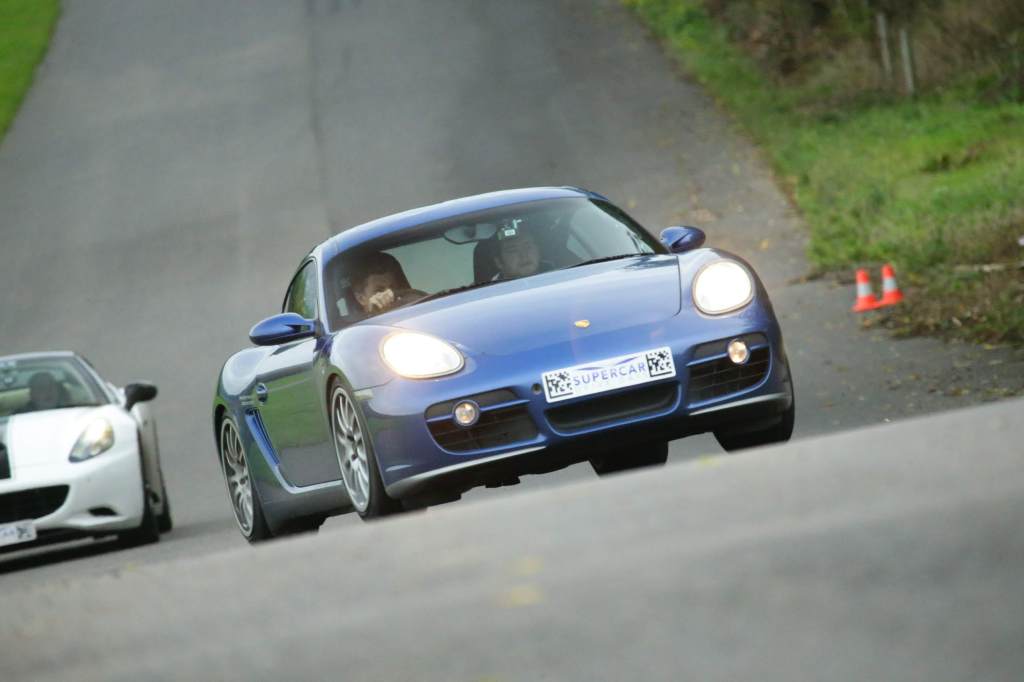
I have been lucky enough to run a few laps with an instructor on a circuit and I can say truthfully that I have been able to transfer the skills learned to my everyday spirited driving. Before the training, I didn’t pay much attention to the weight transfer that takes place as you switch between accelerating, coasting and braking, with weight being pushed backwards when you apply the gas, lightening the load on the front tyres and reducing their grip; and then the inverse happening when you quickly let off the throttle, with weight shifting forwards, letting the rear tyres loosen. By keeping some throttle applied mid-corner, you keep the weight transfer centralised, meaning that both front and rear tyres don’t experience sudden changes in grip, meaning that the car is much more stable.
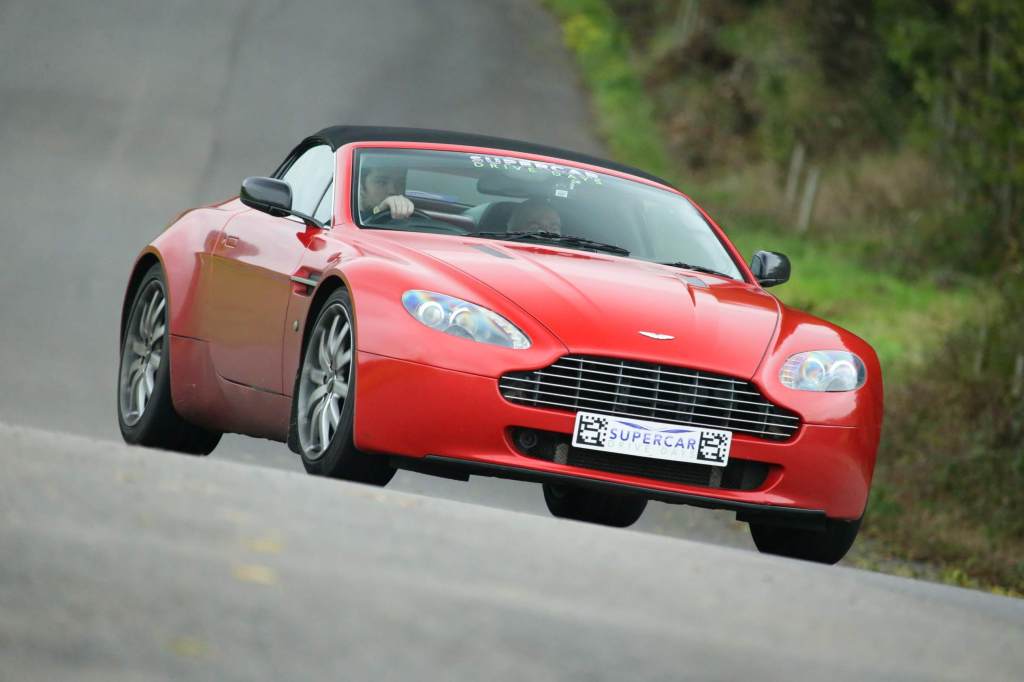
Since learning these skills, I have started driving a much more powerful, much more rear-wheel-drive car than I had at the time, and I have been able to apply the teachings to prevent me from wrapping the thing around most of the trees in Staffordshire. Once you have mastered weight transfer, however, you can use it to affect the car in other ways, using your throttle input to upset the rear of the car, allowing you to provoke it into a slide… not that I ever would, obviously.

Track experience days are also a great opportunity to try your hand at driving some bucket list metal. From my brief one-day session, I pushed the speed of a McLaren 570S well into triple digits, experienced the baritone blare of an Aston Martin V8 Vantage and narrowly avoided spinning out in a Lamborghini Gallardo (Turns out, giving it a bootful of throttle while going over a small yump in the course is a terrible idea in a car that isn’t yours).

I would love to do another one, to hone my driving skills further if nothing else, only this time, I would like to spend a day at a track in my own car. Letting the Jag stretch it’s legs in a way that it can’t on the public highway. Time to crack open the Nomex methinks.
 Project Petrolhead
Leave a comment