They say you never know the good old days until they’re gone. The morning I write this, the review embargo lifted on the new Bentley Continental GT Speed (to the surprise of absolutely nobody, I wasn’t invited to the launch), showcasing it’s new 4.0 Hybrid V8. Not to be confused with the 4.0 Hybrid V8 in the Porsche Panamera E-Hybrid, the 4.0 Hybrid V8 in the Audi RSQ8 or the 4.0 Hybrid V8 in the Lamborghini Temerario. Seeing the increased homogeneity of the performance car landscape has encouraged me to think back to a time in car history where seemingly, there were no rules.
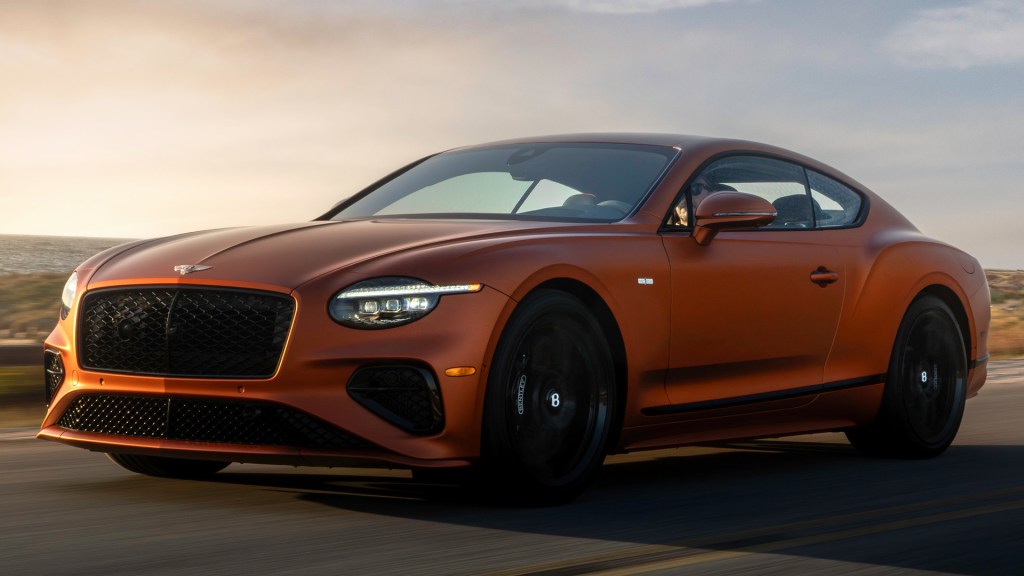
2003-2013. The greatest period of performance car production in history.
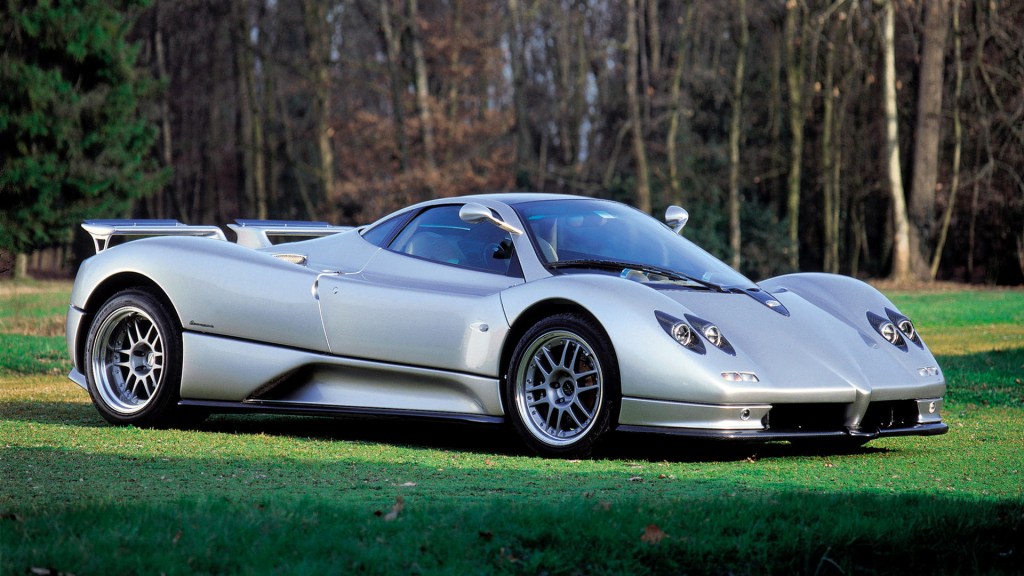
Leading up to 2003, the supercar landscape was a lot more barren than people remember. Jaguar and Bugatti were trading blows, before being roundly trounced by the arrival of Gordon Murray’s pet project, the McLaren F1, Porsche had abandoned their old air-cooled layout, a floundering Ferrari had to be whipped into shape by Maranello legend; Luca di Montezemolo, and a couple of small upstarts, one from the heartland of Italy and one from the frozen north, were making waves; Pagani and Koenigsegg. This set the stage for one of the most diverse and interesting periods of development in the history of the motor vehicle.
One word that best describes our little 10-year span is “variety”, a word that can just as easily be attributed to the earliest history of the automobile. In the 17th and 18th centuries, we saw everything from electric motors, steam engines, radial engines, two-stroke and four-stroke combustion engines all being used to power things that can be loosely termed as cars. In the early 21st century, we may have gotten a handle on the means of propulsion, but the engine configurations were still very much in the “throw it at the wall and see what sticks” phase. Perennial boring car builders Lexus gave us the insane V10 LFA, Aston Martin wedged a V12 into a small 2-seater sports car, Mercedes-Benz decided that a family saloon could do with a 6.2 litre naturally aspirated V8 and BMW responded by lavishing their new M5 with an F1 derived V10. The greatest of them all, however, was the VW group under the watchful eye of Ferdinand Piëch.
Under Herr Piëch, the Volkswagen/Audi Group (or VAG for short, no, really) developed a ridiculous arsenal of combustion engines. From Volkswagen’s VR5 and VR6 engines (narrow-angle 5 and 6 cylinder engines designed to produce V6 power in a 4-cylinder package), Audi’s racing derived V8 and twin-turbo V10 (which both found homes in family estate cars of all things), Lamborghini’s V10 and V12 (which are to this day, two of the best sounding engines of all time) and Bentley’s twin-turbocharged 6.0 W12 (which consists of 2 VR6 engines joined at the crank). And then, we have Bugatti. For the turn of the century, Piëch tasked Bugatti with creating a 1000bhp, 250mph hypercar that would set the benchmark for every performance car that would follow. Bugatti achieved this by joining two twin-turbo VR8 engines (based on the design and concept of the VR6) on a common crankshaft, creating an 8.0 litre, quad-turbocharged, 16-cylinder behemoth capable of propelling Bugatti’s benchmark performance car, now called “Veyron”, to a speed higher than anyone had seen before in a road car.

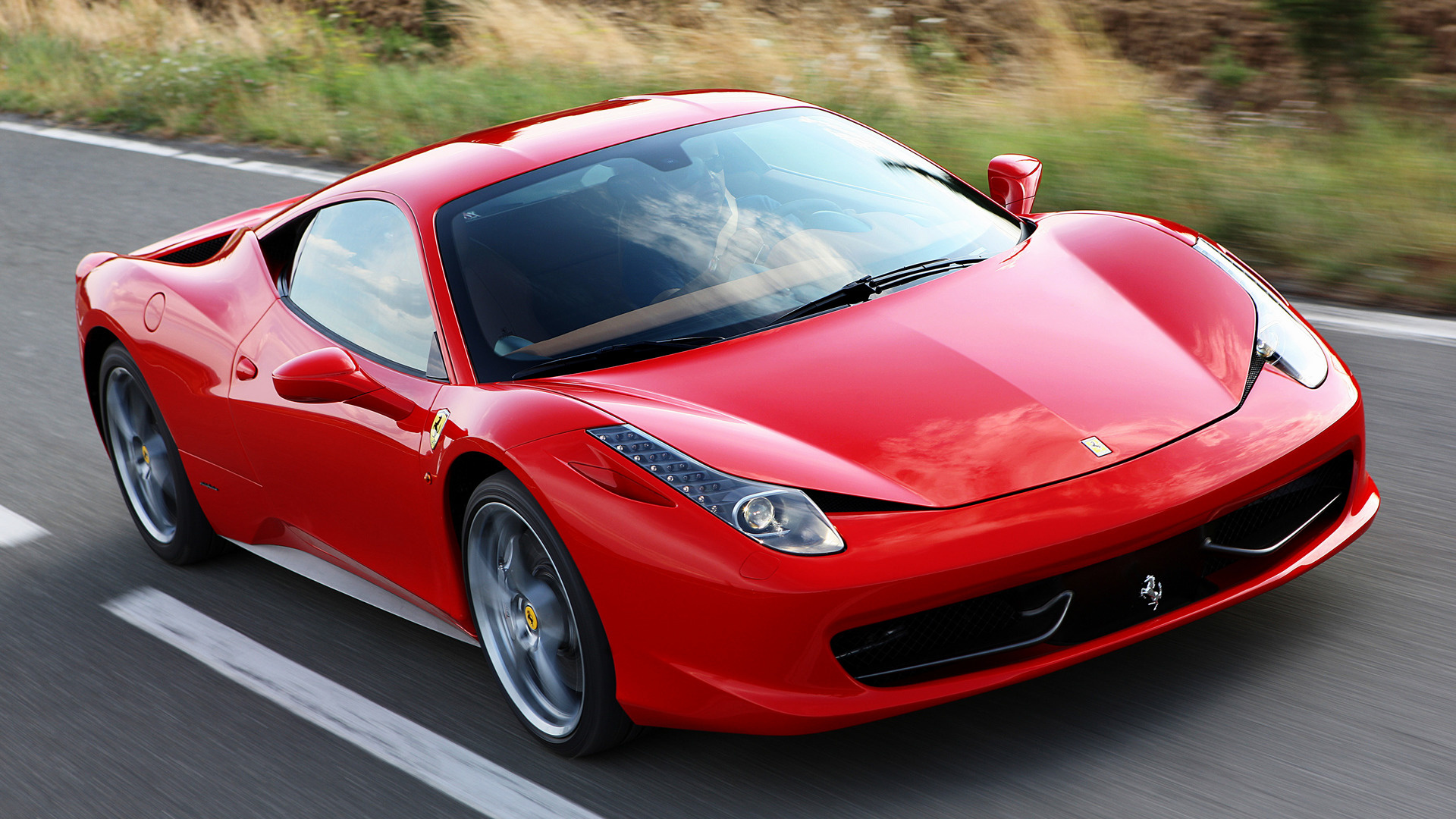
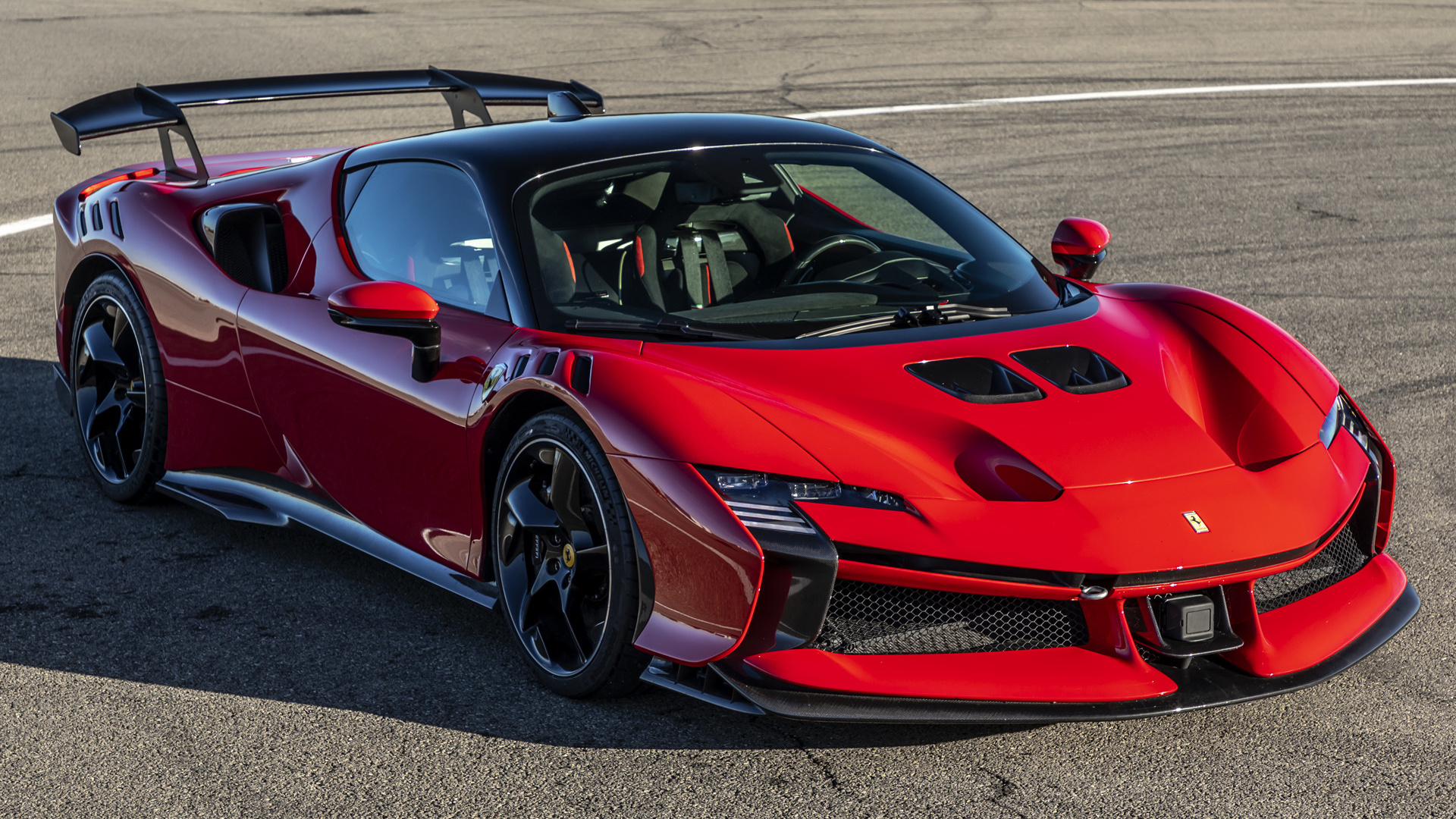
Aside from engines there were other things that we now miss from the world of supercars. Weight was still a consideration, with only the lardiest Rolls-Royces and Range Rovers tipping the scale at over 2 tonnes. Aston Martin, Porsche, Ferrari, Lamborghini, BMW, Audi, Pagani and Koenigsegg would all sell you a car with three pedals and a manual gearbox, something that seems alien in 2024’s sea of automatics. Finally (and this may just be nostalgia talking) cars just looked better. Compare the sleek, crisp lines of Ferrari’s 458 Italia, to their latest effort; the SF90 XX Stradale.
In the same vein, Aston Martin went from building the prettiest car of all time; the DB9, to building a car with a face like a basking shark with the DB12.
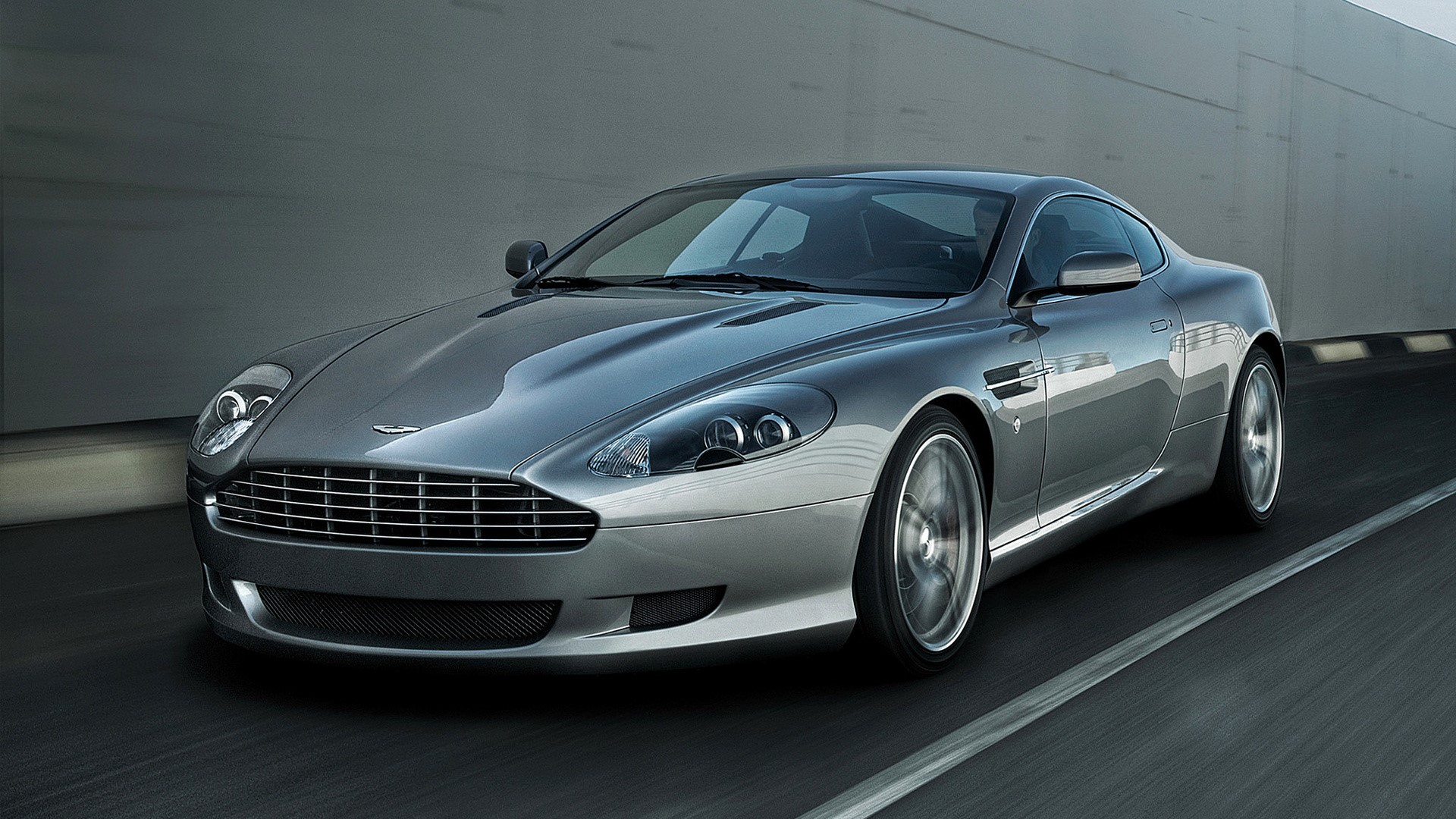
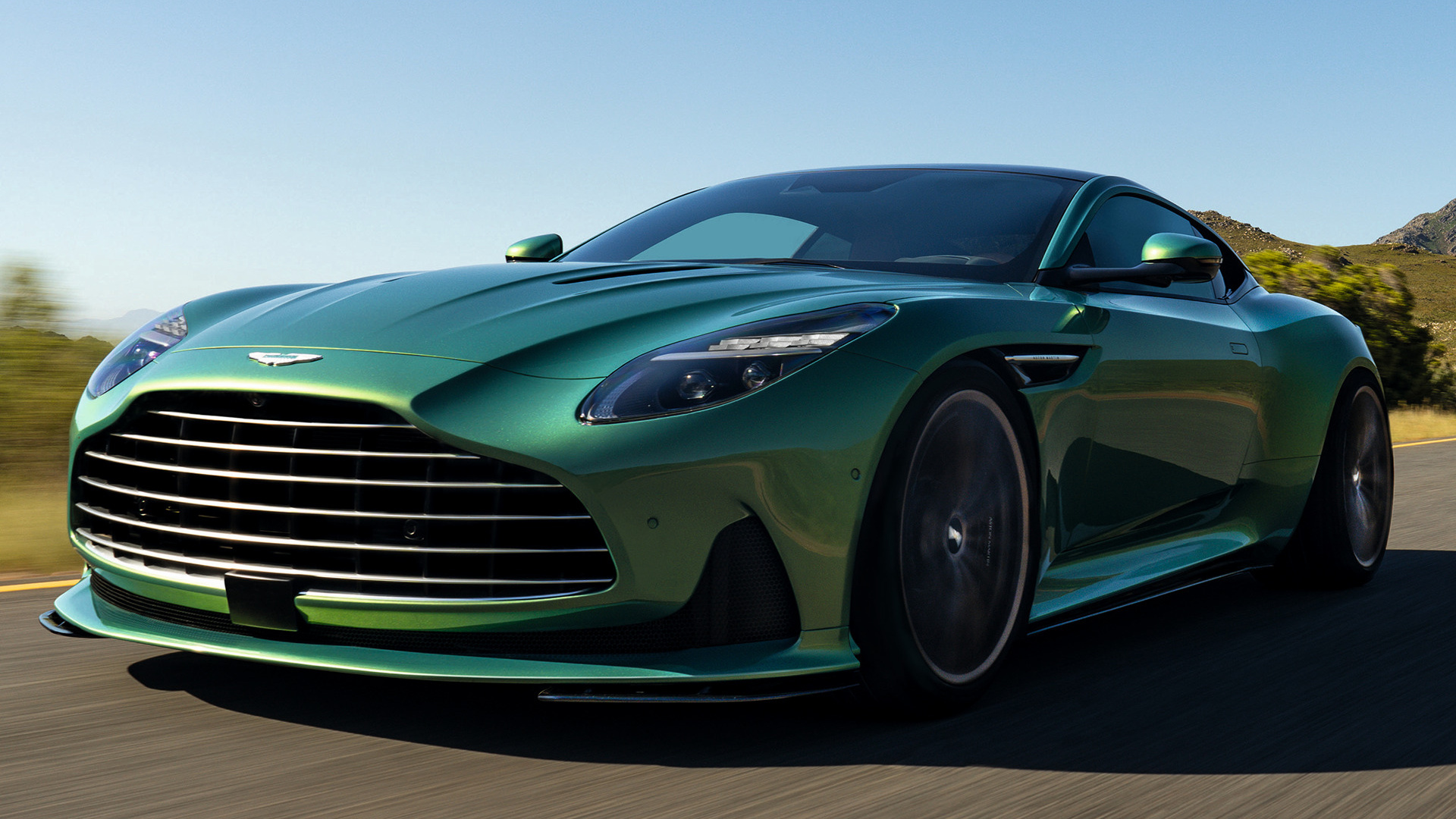
And the less said about BMW, the better.
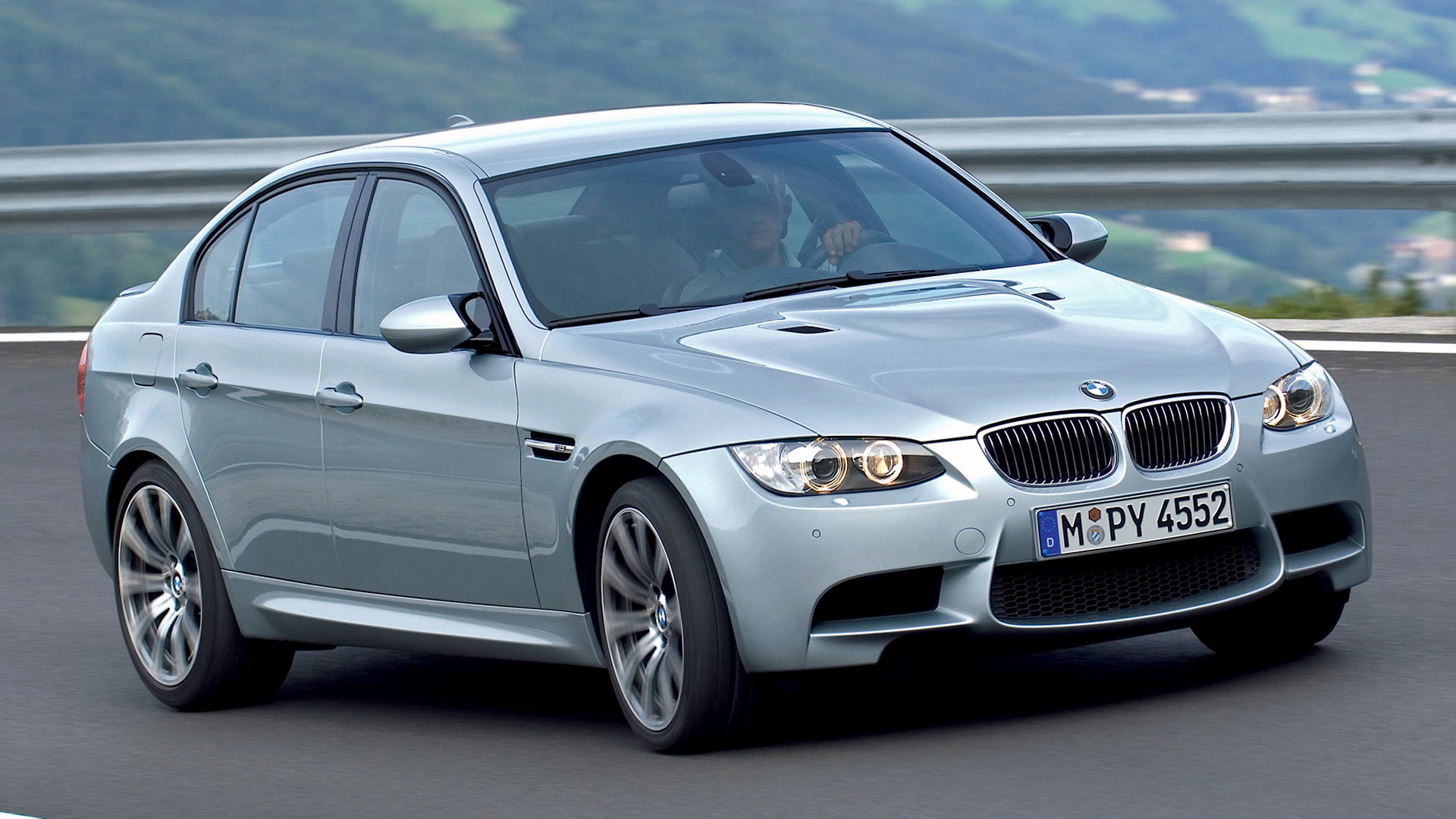
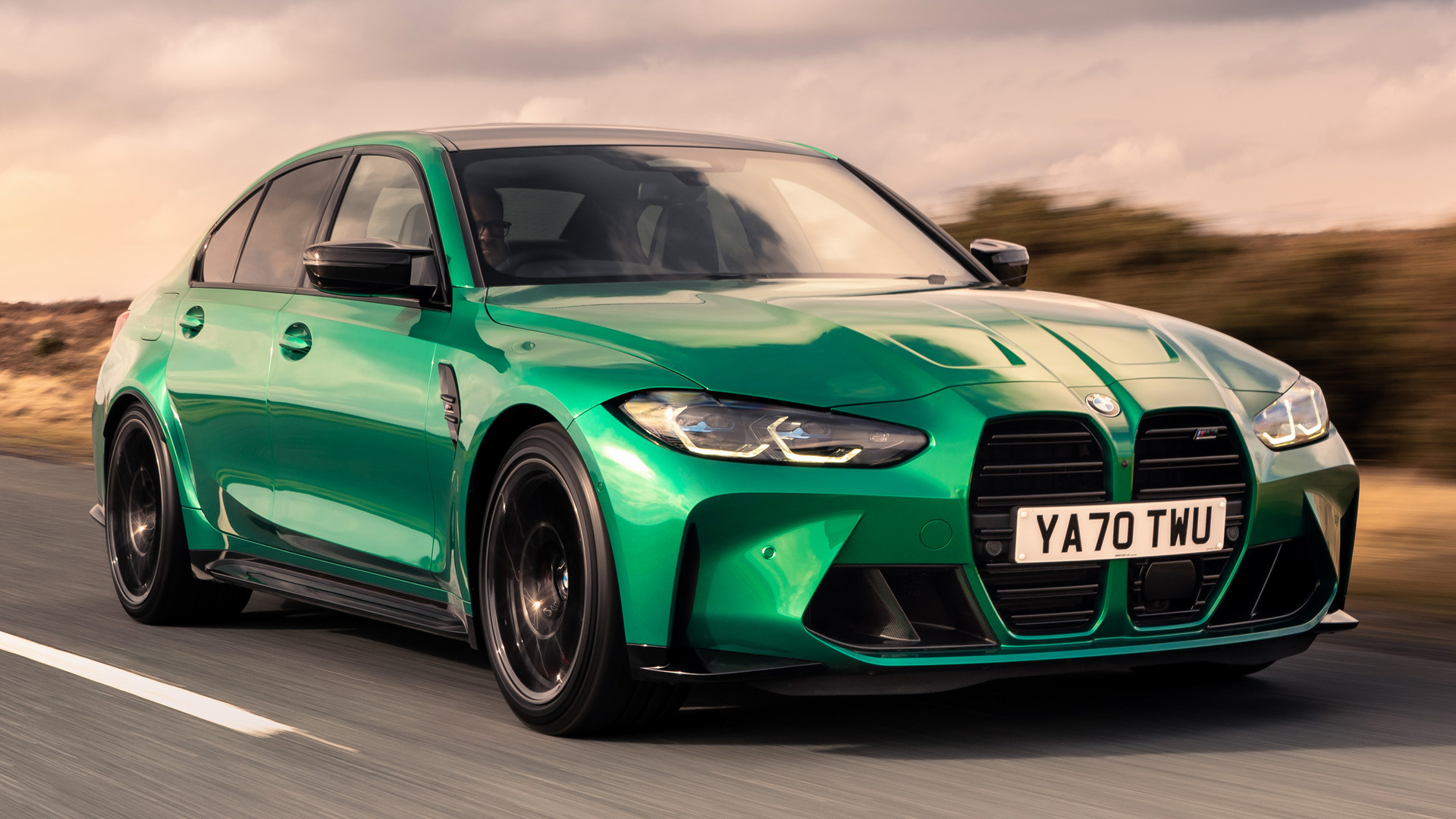
This may just be some early manifestation of a mid-life crisis, but I genuinely believe that cars stopped being good some time before 2018. There are, of course, exceptions; the current Bentley Flying Spur looks amazing, Gordon Murray is still around, refining his own recipe with the GMA T.50, the Aston Martin Valour is the perfect 80s throwback, and the Porsche 911 S/T might just be the ultimate performance package, the problem is, thanks to restricted supply or outrageous pricing, you can’t actually buy any of them. If I won the lottery today, I can imagine all of the late noughties metal I would fill my garage with (458, V12 Vantage, CLK Black Series, 997 GT3) but I don’t think there’s a single brand-new car that I would actually buy and if that isn’t an indictment of the current motoring landscape, I don’t know what is.
 Project Petrolhead
Leave a comment