The concept of the “Family Car” has been through countless changes over the decades. From the first widely available affordable cars like the Ford Model T and Austin 7, to the current crop of jacked-up 5-door diesel hatchbacks masquerading as “SUVs”, It’s clear that the average consumer’s tastes have changed.
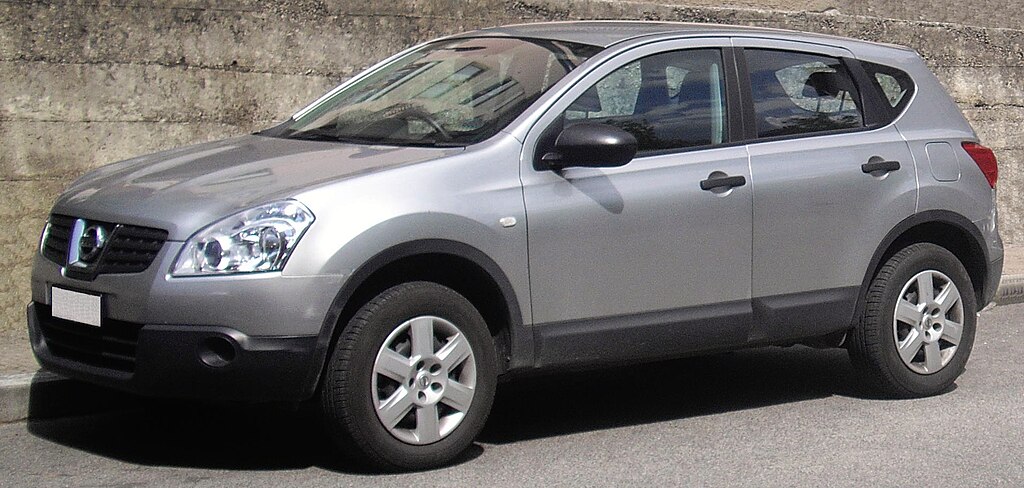
The average consumer, however, doesn’t know what they want, as (allegedly) famously outlined by Henry Ford (in a quote he may or may not have actually said); “If I had asked people what they wanted, they would have said faster horses.” And while people continue to buy Nissan Quashqais and VW Tiguans, the perfect family car platform is slowly dying. I am, of course, talking about the estate car.
Firstly, we must meet our family. The average UK household has 2.4 residents (which we will round up to 3 to avoid any missing limbs) and around a third of households have a dog. So we’ll say 2 parents (it’s 2024 so I’ll avoid any gender stereotypes), 1 child and a dog.
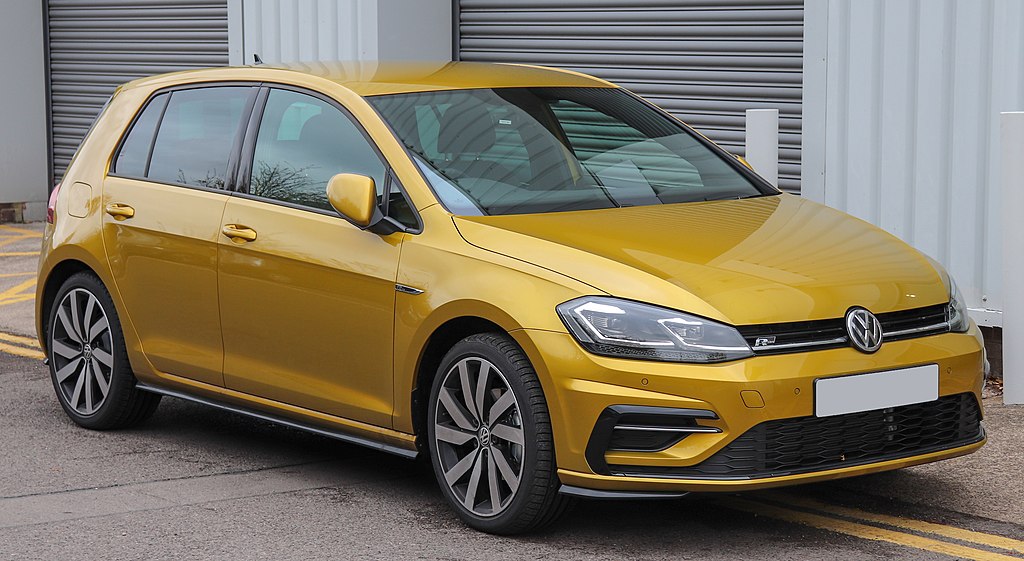
The first type of car to look at would be the smallest and cheapest offerings on the new car market, the hatchback. Now our test family will easily fit into a Golf or a Fiesta, but they would probably struggle for room on a family holiday (somewhere a bit naff, on a particularly dull bit of the UK coastline. Skegness, perhaps), and the lack of boot space may cause issues transporting Fido the family mutt. My parent’s dog, for example, hates everything about riding in the car and needs to be put in a special dog crate in order to get remotely comfortable. That’s not going to fit in a Vauxhall Corsa.
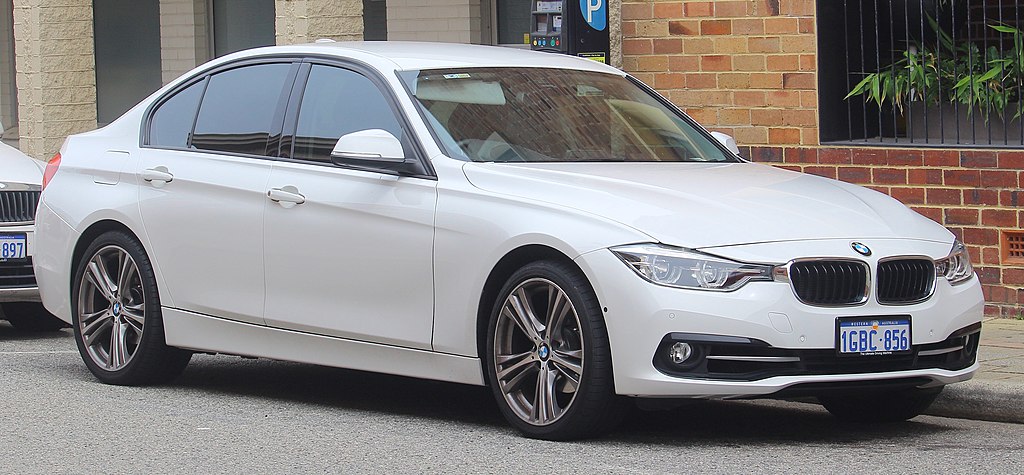
Next up, we have the traditional 3-box saloon. A bit more space in the cabin and probably a few more mod-cons, but absolutely no way your four-legged friend is going in the boot (unless you’re especially cruel). An absolute success, however, for the family who doesn’t have a monthly bill for Pedigree Chunks.
The SUV then would seem to be the obvious answer. Big enough for the whole family, with the convenience and comfort of both the hatchback and saloon combined… right? Well, not necessarily. The Range Rover Evoque, for example, would struggle to fit more than a sheet of A4 in the boot and, as most of these cars sport a 2-litre diesel engine of some variety, they will be less efficient and more expensive to run than you would expect. A VW Tiguan 2.0 TDi will do 562 miles on a single tank at around 46 MPG, whereas a BMW 320d will far surpass that with 764 miles covered at 61 MPG. What we need then, in this age of more explicit eco-friendliness, is a car with the practicality of the SUV, with the efficiency of the more aerodynamic saloon car.
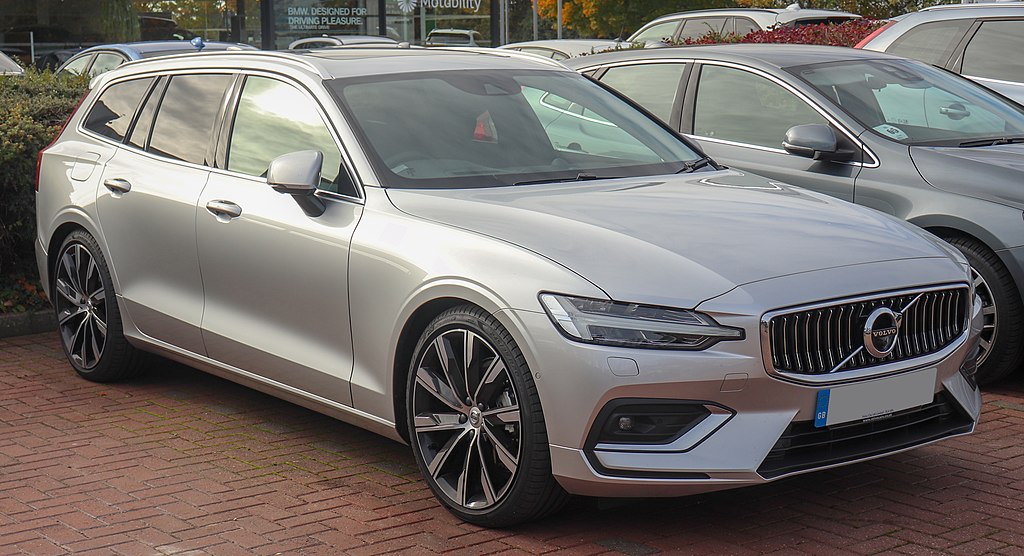
Enter stage-left, the estate. These long-roof wagons are exactly what the doctor ordered for the modern family. Enough room for people in the cabin, enough room for multiple dogs in the boot and with all the benefits of being closer to the ground. Petrolheads seem to be predisposed to love an estate car. Unfortunately, people didn’t seem to buy them in the numbers manufacturers were hoping for and now, they are facing a cull. Volvo recently announced that they were stopping saloon and estate sales in the UK, in favour of SUVs. Thankfully, some of the models have now been re-introduced, but that’s not the case for every model that has come and gone.
We need to start realising that the solution to our motoring problems has been sitting quietly on the sidelines for years, before they go and don’t come back.
 Project Petrolhead
Leave a comment